Winter Roof Problems in Milwaukee: Ice Dams, Snow Loads, and Cold Weather Solutions
Milwaukee's Brutal Winters and Your Roof
Milwaukee's winters are among the harshest in the Midwest, with average snowfall exceeding 50 inches, temperatures regularly dropping below 0°F, and freeze-thaw cycles that can destroy roofing materials in just a few seasons. Understanding how winter weather affects your roof — and knowing how to prevent damage — is essential knowledge for every Milwaukee homeowner.
This comprehensive guide covers the most common winter roof problems in Milwaukee and provides actionable solutions to protect your home.
Ice Dams: Milwaukee's #1 Winter Roof Problem
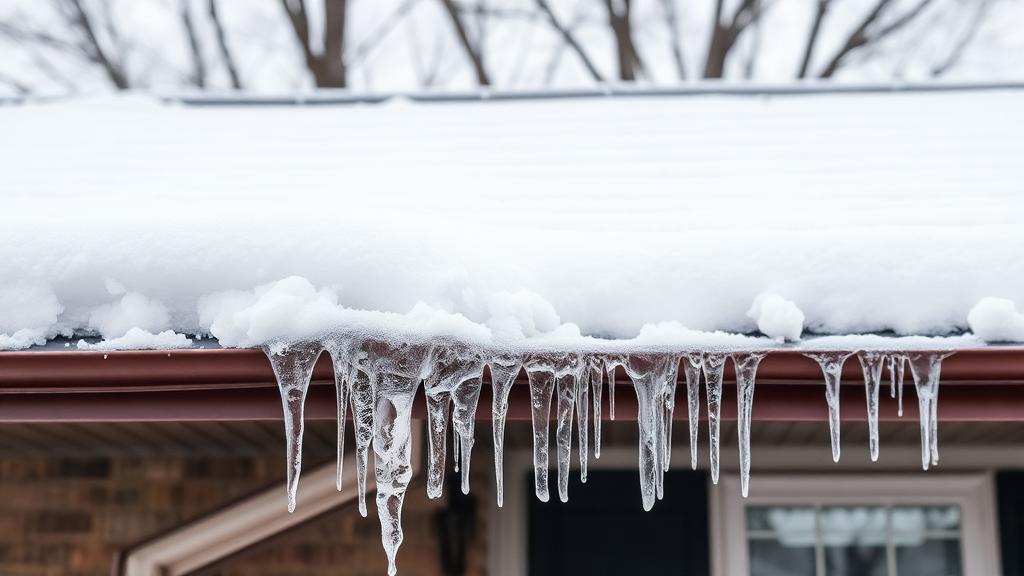
What Are Ice Dams? Ice dams form when heat escaping from your attic melts snow on the upper portions of your roof. The meltwater flows down to the colder eaves, where it refreezes, creating a dam of ice. As more water backs up behind the dam, it can seep under shingles and into your home.
Why Milwaukee Is Especially Prone:: - Extended sub-freezing temperatures keep dams growing for weeks - Heavy snowfall provides constant meltwater supply - Many older Milwaukee homes have inadequate attic insulation - Bungalow and Cape Cod styles (common in Milwaukee) have complex rooflines prone to ice dams
Ice Dam Prevention Strategies:
1. Attic Insulation Upgrade (Most Important) - Minimum R-49 recommended for Milwaukee (Wisconsin Energy Code) - Many older Milwaukee homes have R-11 to R-19 — dangerously low - Focus on sealing air leaks around attic penetrations first - Cost: $1,500–$3,500 for a typical Milwaukee home
2. Attic Ventilation Improvement - Balance soffit intake vents with ridge or roof vents - Target 1 sq ft of Net Free Area per 150 sq ft of attic floor - Ensure insulation doesn't block soffit vents (install baffles) - Power ventilators are generally not recommended (can create negative pressure)
3. Ice and Water Shield - Required by Wisconsin Building Code at eaves (3 feet minimum from exterior wall) - Should extend into valleys and around penetrations - Essential upgrade during any Milwaukee roof replacement - Cost: $1.50–$3.00 per square foot (material only)
4. Heat Cable Systems - Zigzag pattern along eaves and in gutters - Self-regulating cables preferred over constant-wattage - Should be considered a supplementary solution, not primary defense - Annual electricity cost: $100–$300 per winter season - Installation: $500–$1,500
Snow Load Management
Understanding Snow Loads in Milwaukee:: - Wisconsin Building Code: 30 PSF ground snow load for Milwaukee County - Roof snow load varies by roof pitch and exposure - Wet, heavy snow can weigh 20+ lbs per cubic foot - Drifting can double loads on certain roof sections
Warning Signs of Excessive Snow Load:: - Interior doors sticking or difficult to close - Visible sagging of ceiling or roofline - Popping or cracking sounds from the structure - Cracks appearing in interior walls or ceilings - Unusual creaking during wind or temperature changes
When to Remove Snow from Your Roof:: - Remove snow when accumulation exceeds 2 feet (standard construction) - Remove sooner if you notice warning signs above - Flat or low-slope roofs need more frequent clearing - Older homes with modified or unknown structural capacity
Safe Snow Removal Methods:: - Roof rake from ground level (safest option) - Professional snow removal services ($200–$500 per visit) - Never use salt or ice melt on your roof (damages shingles and metal) - Leave 2–3 inches of snow on the roof to avoid damaging shingles - Never go on a snow-covered roof — extreme fall hazard
Cold Weather Shingle Damage
Thermal Shock Cracking:: Milwaukee's extreme temperature swings (sometimes 40–50°F in 24 hours) cause rapid expansion and contraction of shingles. Over time, this leads to cracking, particularly in older or budget shingles.
Solution:: When replacing your roof, choose shingles rated for cold climates: - CertainTeed NorthGate (specifically designed for cold climates) - GAF Timberline HDZ (excellent cold-weather flexibility) - Owens Corning Duration Storm (impact-resistant, cold-rated)
Brittle Sealant Failure:: Shingle sealant strips become brittle in extreme cold, allowing wind to lift shingle tabs. This is why fall inspections are critical — identifying and re-sealing lifted shingles before winter prevents major damage.
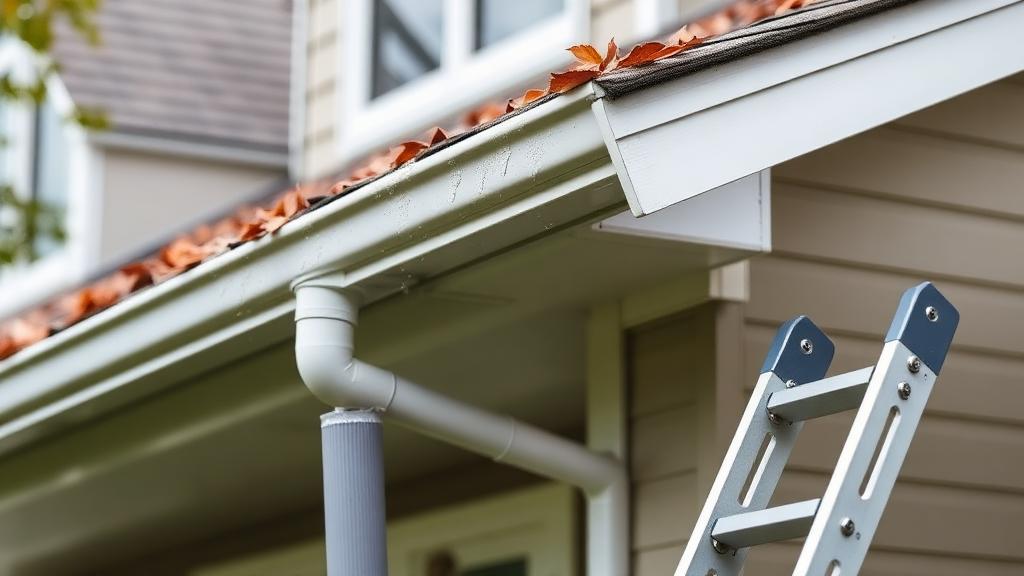
Gutter Ice Damage:: Frozen water in gutters expands, pulling gutters away from fascia boards, cracking seams, and damaging brackets. Solutions include: - Heat cable in gutters and downspouts - Larger gutter capacity (6-inch) to handle ice volume - Heated gutter systems (integrated heating elements)
Winter Roof Emergency Preparedness
Before Winter (October–November):: 1. Schedule professional roof inspection 2. Clean gutters and downspouts thoroughly 3. Trim overhanging tree branches 4. Check attic insulation and ventilation 5. Install heat cables if you've had ice dam history 6. Document roof condition with photos for insurance
Emergency Kit:: - Roof rake (telescoping handle, at least 20 feet) - Tarp and bungee cords for emergency leak coverage - Interior water collection supplies (buckets, towels) - Contact information for emergency roofing services
When to Call a Professional:: - Active interior leak during a storm - Visible structural sagging - Ice dam causing water entry - Major shingle loss from winter wind - Any situation requiring going on the roof
Winter Roofing Costs in Milwaukee
| Service | Cost Range |
|---|---|
| Emergency tarping | $300–$1,000 |
| Ice dam removal | $300–$700 per event |
| Roof snow removal | $200–$500 per visit |
| Emergency leak repair | $500–$2,000 |
| Heat cable installation | $500–$1,500 |
| Attic insulation upgrade | $1,500–$3,500 |
| Full roof replacement | $8,000–$20,000 |
Find verified roofing contractors in Milwaukee for emergency winter services and preventive maintenance.
Conclusion
Milwaukee's winters are unforgiving, but your roof doesn't have to suffer. By investing in proper insulation, ventilation, and preventive maintenance before winter arrives, you can avoid the most common and costly cold-weather roof problems. For homes with ongoing ice dam issues, consider a comprehensive solution that addresses the root cause — attic air sealing and insulation — rather than treating symptoms. Connect with qualified Milwaukee roofers to prepare your home for winter.