The Ultimate Annual Roof Maintenance Checklist: A Season-by-Season Guide

Your roof works tirelessly every day, protecting your home from rain, snow, sun, and wind. Yet many homeowners neglect regular roof maintenance until a costly problem develops. This comprehensive annual maintenance checklist will guide you through essential tasks for each season, helping you extend your roof's lifespan and avoid expensive emergency repairs.
Why Annual Roof Maintenance Matters
Regular roof maintenance is one of the smartest investments you can make as a homeowner. The numbers speak for themselves: properly maintained roofs can last 25-50% longer than neglected ones, translating to thousands of dollars in savings over your home's lifetime.
The Cost of Neglect:: - A minor repair that costs $200 today can become a $2,000 problem if ignored - Water damage from roof leaks averages $2,700 to repair - Premature roof replacement can cost $8,000-$25,000 depending on roof size and materials - Insurance claims may be denied if damage results from lack of maintenance
Beyond financial considerations, regular maintenance protects your family's health and safety. Roof leaks lead to mold growth, structural deterioration, and even fire hazards from damaged electrical systems. Taking a proactive approach to roof care simply makes sense.
Spring Maintenance Checklist (March-May)
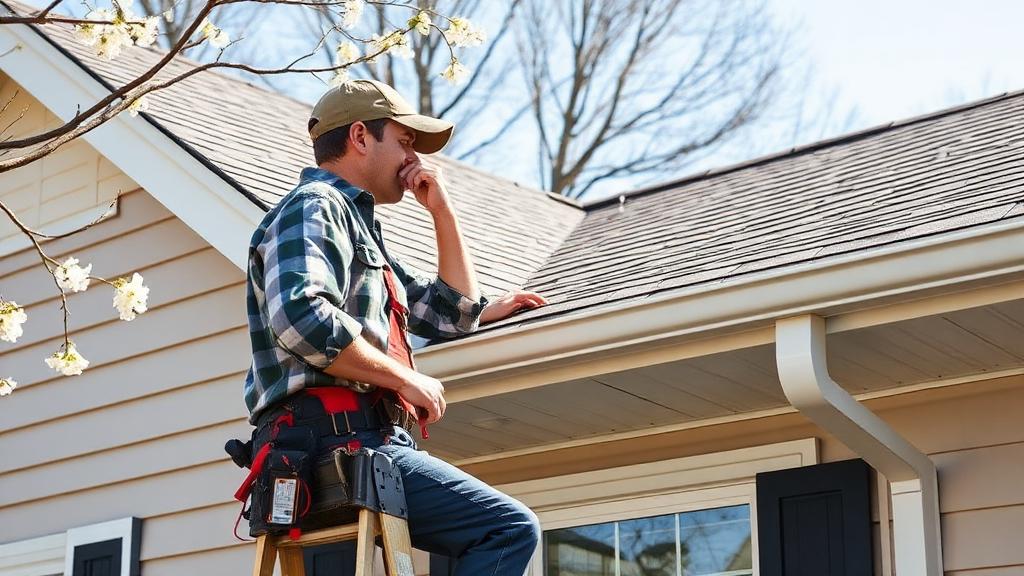
Spring is the perfect time for comprehensive roof maintenance after winter's harsh conditions. The weather is mild enough for safe work, and you can address any damage before summer storms arrive.
Exterior Inspection Tasks
1. Visual Shingle Assessment Walk around your home with binoculars and examine your roof from multiple angles. Look for: - Missing, cracked, or curled shingles - Shingles that appear dark or wet compared to surrounding areas - Granule loss visible as bare spots or accumulated granules in gutters - Lifted or loose shingles along edges and ridges
2. Flashing Inspection Check all roof flashing around: - Chimneys (look for rust, gaps, or lifted sections) - Plumbing vents and exhaust fans - Skylights and dormer windows - Wall-to-roof intersections - Valley areas where two roof planes meet
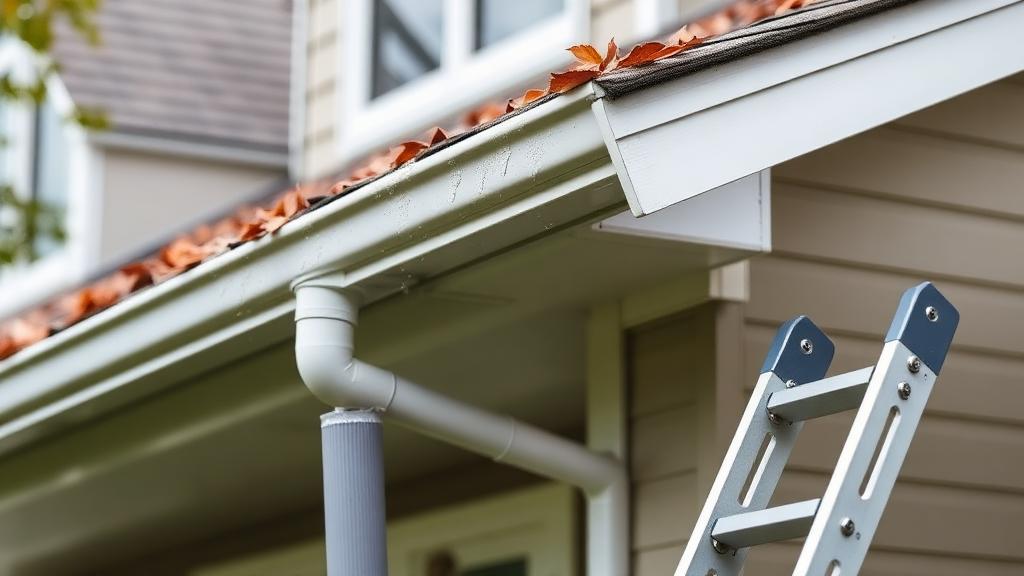
3. Gutter and Downspout Cleaning After leaves fall in autumn and debris accumulates over winter, spring cleaning is essential: - Remove all debris from gutters by hand or with a gutter scoop - Flush gutters with a garden hose to check for proper flow - Inspect for leaks at seams and end caps - Verify downspouts direct water at least 6 feet from foundation - Check gutter brackets and hangers for security
4. Tree Trimming Overhanging branches pose multiple threats to your roof: - Falling limbs can puncture roofing materials - Leaves accumulate in valleys and gutters, causing clogs - Branches rubbing on shingles accelerate wear - Shade promotes moss and algae growth Trim branches back at least 10 feet from your roof surface.
Interior Spring Inspections
5. Attic Examination With a flashlight, inspect your attic for: - Water stains on rafters or decking (indicating active leaks) - Daylight visible through the roof deck - Mold or mildew growth (musty odors are a warning sign) - Proper insulation levels and distribution - Blocked or damaged ventilation
6. Ceiling and Wall Checks Inside living spaces, look for: - New water stains or discoloration - Bubbling or peeling paint - Sagging or soft spots in ceilings
Spring Professional Services
Consider scheduling a professional roof inspection in spring, especially if: - Your roof is over 15 years old - You experienced severe winter weather - You plan to sell your home - You're filing an insurance claim
Summer Maintenance Checklist (June-August)
Summer's dry conditions are ideal for repairs and addressing issues identified during spring inspections. Heat can also reveal problems not visible in cooler weather.
Summer Inspection Focus
7. Heat-Related Damage Assessment Extreme heat affects roofing materials differently: - Asphalt shingles may show accelerated granule loss - Cracking and brittleness become more apparent - Thermal expansion can loosen fasteners and open seams - Dark roofs may show waviness or rippling
8. Ventilation Performance Check Proper roof ventilation is critical during summer: - Check attic temperature (should be no more than 15-20°F warmer than outdoor temps) - Verify soffit vents aren't blocked by insulation - Ensure ridge and roof vents are unobstructed - Consider adding ventilation if attic exceeds 120°F
9. UV Damage Inspection Prolonged sun exposure degrades roofing materials: - Look for fading or discoloration on south-facing slopes - Check sealants and caulking for drying and cracking - Inspect rubber boots around pipe penetrations for brittleness
Summer Repair Priorities
10. Shingle Replacement Summer warmth makes asphalt shingles pliable and easier to work with: - Replace damaged or missing shingles promptly - Ensure replacement shingles match existing ones - Properly seal all new shingle edges
11. Sealant and Caulking Refresh High-quality roofing sealants need periodic replacement: - Reapply sealant around flashing as needed - Caulk around skylights and roof penetrations - Check and reseal chimney caps and crowns
12. Moss and Algae Treatment If you notice moss or algae growth, summer is the time to treat: - Apply zinc or copper strips near ridge for prevention - Use moss-killing treatments designed for roofing - Avoid power washing, which damages shingles
Fall Maintenance Checklist (September-November)
Fall preparation is crucial for protecting your roof through winter's harsh conditions. Complete these tasks before temperatures drop and leaves finish falling.
Pre-Winter Preparations
13. Comprehensive Gutter Cleaning This is the most important gutter cleaning of the year: - Wait until most leaves have fallen (mid-to-late fall) - Remove all debris including small particles that can cause clogs - Repair any gutter damage before winter freezes make issues worse - Consider installing gutter guards if leaf accumulation is significant
14. Roof Surface Cleaning Clear debris that can cause winter problems: - Sweep leaves and twigs from valleys where they accumulate - Clear debris from around roof penetrations - Remove any moss or organic growth that could hold moisture
15. Emergency Repair Supplies Prepare for winter emergencies by stocking: - Roof sealant rated for cold temperatures - Emergency tarps and tie-downs - Calcium chloride ice melt (never use rock salt on roofs) - Roof rake for snow removal
Fall Safety Upgrades
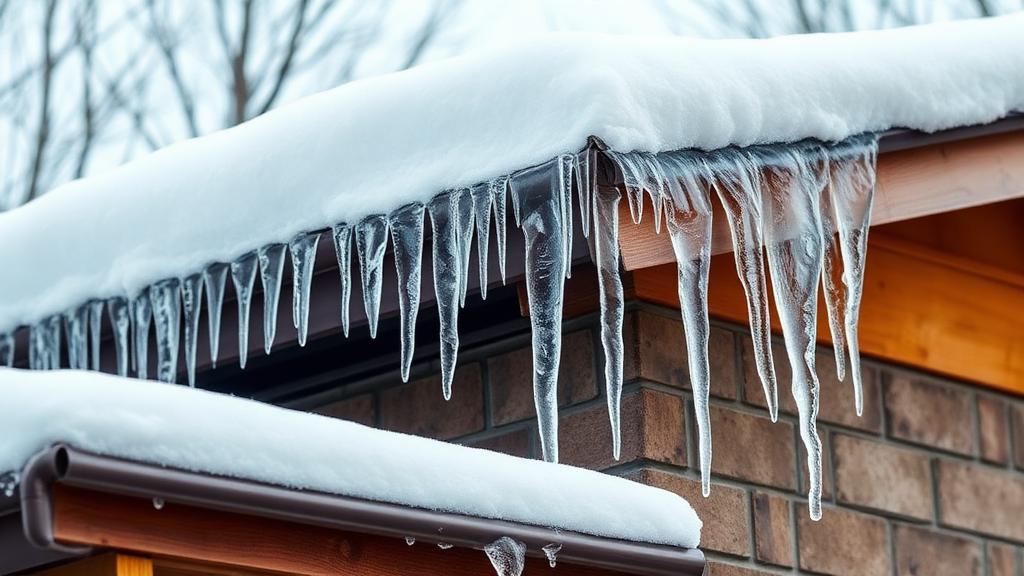
16. Ice Dam Prevention Prevent costly ice dam damage before winter: - Seal air leaks between living space and attic - Ensure adequate attic insulation (R-38 to R-60 depending on climate) - Verify soffit vents aren't blocked - Consider installing heat cables in problem areas
17. Chimney Inspection Before heating season begins: - Check chimney cap for damage or missing screens - Inspect masonry for cracks that could let water in - Verify flashing is secure and properly sealed - Schedule chimney cleaning if needed
Fall Professional Services
18. Pre-Winter Professional Inspection A fall inspection can identify issues before winter makes them worse. Professionals can: - Spot subtle damage you might miss - Make repairs while weather permits - Provide documentation for insurance purposes - Recommend preventive measures for your specific roof
Winter Maintenance Checklist (December-February)
Winter maintenance focuses on monitoring, snow management, and preventing ice-related damage rather than repairs, which are dangerous and often ineffective in cold weather.
Winter Monitoring
19. Interior Vigilance Check attic and ceilings regularly for: - Ice dam formation visible as icicles at eaves - Water stains indicating active leaks - Frost on attic surfaces (indicates humidity problems) - Unusual sounds during wind or temperature changes
20. Post-Storm Inspections After significant winter weather: - Safely observe roof from ground level - Look for visible damage or displaced materials - Check for ice dam formation - Document any concerns for spring follow-up
Snow and Ice Management
21. Safe Snow Removal Heavy snow loads stress roof structures: - Remove snow with a roof rake from ground level - Focus on lower 3-4 feet of roof to prevent ice dams - Never walk on snow-covered or icy roofs - Avoid tools that can damage shingles
22. Ice Dam Response If ice dams form despite prevention efforts: - Create channels through the dam with calcium chloride in pantyhose - Never chip ice off with sharp tools - Address interior leaks with buckets and towels - Plan for better prevention next year
Winter Emergency Procedures
23. Emergency Leak Response If a roof leak occurs during winter: - Place containers to catch water - Protect furniture and belongings - Take photos for insurance documentation - Contact emergency roofing services for temporary repairs - Plan permanent repairs for spring
Monthly Quick-Check Routine
Between seasonal maintenance, perform these monthly checks:
| Month | Key Focus Areas |
|---|---|
| January | Ice dam monitoring, interior leak checks |
| February | Heavy snow load assessment, attic inspection |
| March | Post-winter damage assessment, schedule spring service |
| April | Complete spring checklist, gutter cleaning |
| May | Inspect for spring storm damage, trim branches |
| June | Heat damage assessment, ventilation check |
| July | UV damage inspection, sealant condition |
| August | Prepare fall maintenance plan, inspect flashing |
| September | Begin fall preparations, stock emergency supplies |
| October | Complete gutter cleaning, pre-winter inspection |
| November | Final ice dam prevention measures |
| December | Monitor for winter damage, interior checks |
Professional vs. DIY Maintenance
Understanding which tasks you can handle and which require professionals ensures safe, effective roof care.
Safe for Most Homeowners:: - Ground-level visual inspections - Gutter cleaning (single-story homes) - Interior attic inspections - Minor debris removal - Trimming accessible branches
Best Left to Professionals:: - Walking on steep or high roofs - Shingle replacement and repairs - Flashing work - Ventilation modifications - Any work requiring safety harnesses
Creating Your Maintenance Schedule
Develop a personalized maintenance calendar based on: - Your roof's age and material type - Local climate conditions - Tree coverage near your home - Your physical ability and comfort with heights - Budget for professional services
Find trusted roofing contractors in your area who offer maintenance programs that combine professional expertise with homeowner involvement for optimal roof care.
Conclusion
Annual roof maintenance isn't glamorous, but it's one of the most cost-effective ways to protect your home investment. By following this seasonal checklist, you'll catch small problems before they become major expenses, extend your roof's useful life, and enjoy peace of mind knowing your home is properly protected.
Start this year by scheduling a professional inspection to establish a baseline, then build your maintenance routine around the seasonal tasks outlined here. Your roof works hard for you every day—regular maintenance is simply returning the favor.