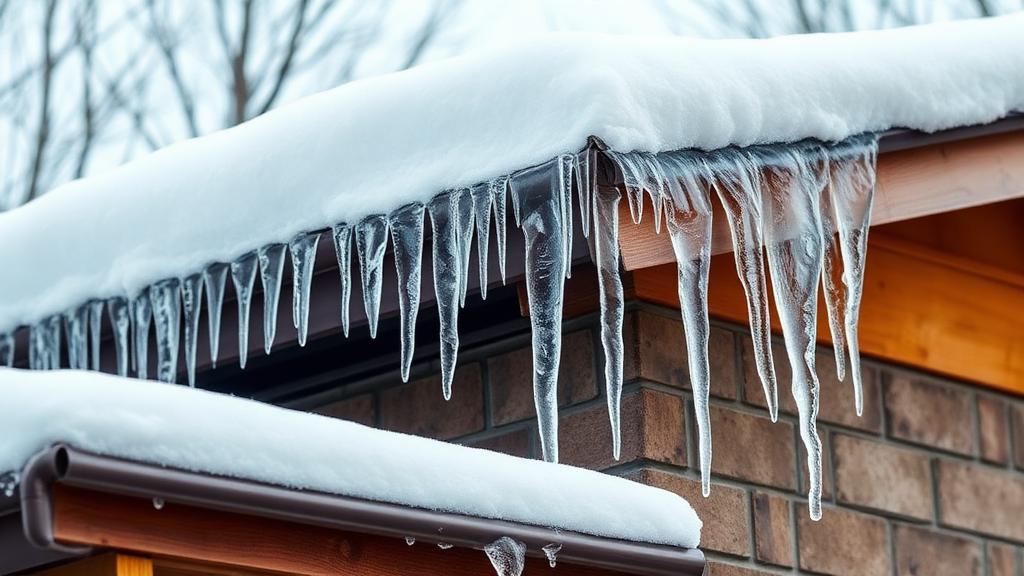
Complete Gutter Cleaning and Maintenance Guide: Protect Your Roof and Foundation

Gutters may not be the most glamorous part of your home, but they play a critical role in protecting your roof, foundation, siding, and landscaping from water damage. Clogged or damaged gutters can lead to thousands of dollars in repairs, yet many homeowners overlook this essential maintenance task. This comprehensive guide covers everything you need to know about keeping your gutters in top condition.
Understanding Your Gutter System
Before diving into maintenance, understanding how your gutter system works helps you appreciate why each component matters and recognize potential problems.
Gutter System Components
Gutters (Troughs):: The horizontal channels that collect water as it runs off your roof. Common materials include: - Aluminum (most popular, affordable, rust-resistant) - Vinyl (budget-friendly, easy to install, less durable) - Steel (strong but prone to rust without coating) - Copper (premium, beautiful patina, extremely durable) - Zinc (long-lasting, self-healing coating)
Downspouts:: Vertical pipes that carry water from gutters to ground level. Proper sizing is crucial—typical homes need one downspout per 20-40 feet of gutter run.
End Caps:: Seal the ends of gutter sections to prevent water from escaping.
Gutter Hangers:: Brackets that attach gutters to the fascia board. Types include: - Hidden hangers (installed inside the gutter) - Brackets (visible external support) - Spikes and ferrules (older, less secure method)
Downspout Extensions:: Direct water away from the foundation, ideally 6-10 feet from the house.
Splash Blocks:: Placed under downspouts to prevent erosion and foundation damage.
Why Gutter Maintenance Matters
The consequences of neglected gutters extend far beyond the gutters themselves:
Roof Damage:: When gutters clog, water backs up under roof shingles and behind fascia boards, causing: - Rotted roof decking and rafters - Damaged fascia and soffit - Ice dam formation in winter - Premature shingle deterioration
Foundation Problems:: Water overflow saturates soil near your foundation, leading to: - Basement flooding and moisture intrusion - Foundation cracks and settling - Structural instability over time - Costly foundation repairs ($5,000-$15,000+)
Landscape Damage:: Overflowing gutters erode landscaping, damage plants, and create unsightly trenches around your home's perimeter.
Pest Infestations:: Standing water in clogged gutters attracts mosquitoes, and accumulated debris provides nesting sites for birds, rodents, and insects.
How Often to Clean Gutters
Cleaning frequency depends on your specific situation:
Standard Recommendation:: Most homes need gutter cleaning twice yearly—late spring and late fall. This timing addresses: - Spring: Removes debris accumulated over winter, clears seed pods and blossoms - Fall: Cleans out leaves after trees have dropped them
More Frequent Cleaning Needed If:: - You have many trees near your home (quarterly or more) - Pine trees dominate (needles fall year-round) - You live in a dusty or high-pollen area - Your roof is steep, accelerating debris flow - You've had pest problems in gutters previously
Signs Your Gutters Need Immediate Attention:: - Water overflowing during rain - Plants growing in gutters - Visible sagging or pulling away from house - Water stains or damage on siding or foundation - Gutters haven't been cleaned in over a year
DIY Gutter Cleaning: Step-by-Step
With proper precautions, gutter cleaning is a manageable DIY task for single-story homes with easily accessible roofs.
Safety First
Essential Safety Equipment:: - Sturdy extension ladder with stabilizers - Non-slip shoes with good grip - Safety glasses to protect eyes from debris - Work gloves (leather or rubber-coated) - Dust mask (debris can be dusty and moldy)
Ladder Safety Rules:: - Set ladder on firm, level ground - Maintain three points of contact while climbing - Never lean beyond your reach—move the ladder instead - Have someone spot you if possible - Don't use ladders in wet or windy conditions - Never climb on the roof unless absolutely necessary
Cleaning Process
Step 1: Gather Supplies - Garden trowel or gutter scoop - Bucket with hook for hanging on ladder - Garden hose with spray nozzle - Plumber's snake for clogged downspouts - Tarps to protect landscaping below
Step 2: Remove Large Debris Starting at a downspout and working away from it: - Scoop out leaves, twigs, and accumulated debris - Deposit debris in your bucket - Work in sections, moving the ladder as needed - Don't push debris into downspouts
Step 3: Flush With Water After removing large debris: - Use garden hose to flush remaining dirt toward downspouts - Check for proper water flow and drainage - Note any areas that don't drain properly - Identify leaking seams or corners
Step 4: Clear Downspouts If water backs up at downspouts: - Try flushing from the top with hose - Use plumber's snake for stubborn clogs - Consider disassembling elbow joints for access - Never use chemical drain cleaners on gutters
Step 5: Check for Damage While cleaning, inspect for: - Rust spots or holes - Separated seams - Loose or missing hangers - Proper slope toward downspouts - Fascia board condition
Common Gutter Problems and Solutions
Sagging Gutters
Causes:: - Worn or damaged hangers - Inadequate hanger spacing (should be every 24-36 inches) - Heavy debris or ice accumulation - Gutter material fatigue
Solutions:: - Replace damaged hangers with heavy-duty versions - Add additional hangers in problem areas - Consider upgrading to stronger gutter material - Clean more frequently to prevent debris weight
Leaking Seams
Causes:: - Sealant deterioration over time - Expansion/contraction stress - Impact damage - Improper original installation
Solutions:: - Clean joint thoroughly and let dry - Apply waterproof gutter sealant - For severe leaks, consider seamless gutter replacement - Address as soon as noticed to prevent water damage
Improper Slope
Gutters should slope toward downspouts at approximately 1/4 inch per 10 feet for proper drainage.
Signs of Poor Slope:: - Standing water after rain - Water overflowing mid-gutter - Debris accumulating in flat sections
Solutions:: - Adjust hanger positions to correct slope - Add downspouts to reduce required slope distance - For severe issues, professional reinstallation may be needed
Overflowing Gutters
Causes:: - Clogs from debris - Undersized gutters for roof area - Inadequate downspout capacity - Improper slope
Solutions:: - Regular cleaning to prevent clogs - Upgrade to 6-inch gutters from 5-inch - Add additional downspouts - Install gutter guards (see below)
Gutter Guards and Screens
Gutter protection products can reduce cleaning frequency but aren't maintenance-free solutions.
Types of Gutter Guards
Mesh Screens:: - Fine metal mesh covers gutter opening - Allows water through while blocking debris - Affordable but may clog with small debris - Best for: Moderate debris situations
Reverse Curve (Surface Tension):: - Solid cover with curved edge that directs water into gutter - Leaves slide off while water follows curve - More expensive but very effective - Best for: Heavy leaf situations
Brush Inserts:: - Cylinder brushes that sit in gutter - Debris collects on top, water flows through - Easy to install and remove for cleaning - Best for: DIY installation, light debris
Foam Inserts:: - Porous foam fills gutter - Water filters through, debris stays on top - Can promote mold growth if not maintained - Best for: Budget-conscious homeowners
Choosing the Right Protection
Consider your specific needs:
| Factor | Best Guard Type |
|---|---|
| Heavy leaf fall | Reverse curve or fine mesh |
| Pine needles | Micro-mesh designs |
| Budget constraint | Brush or foam inserts |
| DIY installation | Snap-on screens or brushes |
| Premium protection | Professional micro-mesh systems |
Important:: No gutter guard eliminates maintenance entirely. Plan for annual inspection and occasional cleaning even with guards installed.
Professional Gutter Services
Some situations call for professional expertise:
When to Hire Professionals
Safety Concerns:: - Multi-story homes - Steep roof pitches - Limited mobility or balance issues - No proper equipment
Complex Problems:: - Extensive damage requiring repairs - Gutter replacement needs - Persistent drainage issues - Fascia board rot
Time Constraints:: - Multiple properties to maintain - Busy schedule prevents regular maintenance - Commercial buildings with complex systems
What to Expect from Professional Service
Standard Cleaning Service:: - Complete debris removal - Downspout clearing - System flushing - Basic inspection included - Typical cost: $100-$250 for average home
Comprehensive Maintenance:: - Thorough cleaning - Minor repairs (resealing, hanger tightening) - Detailed condition report - Before/after photos - Typical cost: $150-$400
Repair Services:: - Section replacement - Seam repairs - Slope adjustment - Downspout additions - Costs vary widely based on scope
Gutter Replacement Considerations
Sometimes repair isn't enough, and replacement makes more sense.
Signs You Need New Gutters
- Multiple sections with severe damage
- Frequent repairs becoming costly
- Visible rust throughout the system
- Gutters pulling away despite hanger replacement
- Water damage to fascia and soffit
- Undersized gutters for your roof
Seamless vs. Sectional Gutters
Seamless Gutters:: - Custom-formed on-site to exact lengths - No seams to leak - Professional installation required - Higher initial cost but longer lifespan - Most common for quality installations
Sectional Gutters:: - Pre-formed sections joined together - DIY installation possible - Lower initial cost - More potential leak points - Better for temporary or budget situations
Seasonal Gutter Care Tips
Spring:: - Complete thorough cleaning - Inspect for winter damage - Check all seams and hangers - Verify downspout extensions in place
Summer:: - Monitor for seed pod and debris accumulation - Check during heavy rain for proper function - Inspect for wasp nests in downspouts
Fall:: - Multiple cleanings as leaves fall - Final cleaning after all leaves drop - Prepare for ice dam prevention - Consider temporary mesh covers during peak leaf fall
Winter:: - Remove ice carefully when possible - Monitor for ice dam formation - Ensure downspout extensions clear of snow - Never attempt to clear gutters from icy ladders
Connecting Gutters to Overall Roof Care
Gutter maintenance is just one part of comprehensive roof care. Healthy gutters support: - Proper roof drainage - Ice dam prevention - Extended shingle life - Protection of roof structure
Find qualified roofing and gutter contractors in your area who can address both your gutter and roof maintenance needs comprehensively.
Conclusion
Clean, well-maintained gutters are your first defense against water damage to your home's roof, foundation, and structure. Whether you tackle cleaning yourself or hire professionals, consistent maintenance prevents costly problems and extends your gutter system's life.
Create a maintenance schedule that works for your situation, inspect regularly for problems, and address issues promptly. Your gutters may not be glamorous, but they're working hard to protect your home—give them the attention they deserve.