Roof Moss and Algae Removal: Complete Treatment and Prevention Guide
Moss and algae growth on roofs is more than an aesthetic problem—left untreated, these organisms can significantly shorten your roof's lifespan and lead to costly damage. Whether you're dealing with current growth or want to prevent future problems, this comprehensive guide provides the knowledge you need to keep your roof clean and protected.
Understanding Roof Moss and Algae
Before tackling removal, understanding what you're dealing with helps you choose the right treatment approach.
Identifying Algae Growth
Appearance:: Roof algae, primarily Gloeocapsa magma, appears as dark streaks or stains on asphalt shingles. The discoloration typically starts as small spots and expands into larger streaked patterns, often following the direction of water flow.
Color Variations:: - Black or dark gray (most common) - Blue-green tinge in early stages - Brown or greenish-black in advanced cases
Growth Pattern:: Algae typically appears first on north-facing slopes or shaded areas where moisture lingers. The organism feeds on the limestone filler in asphalt shingles, leaving dark trails as colonies expand.
Identifying Moss Growth
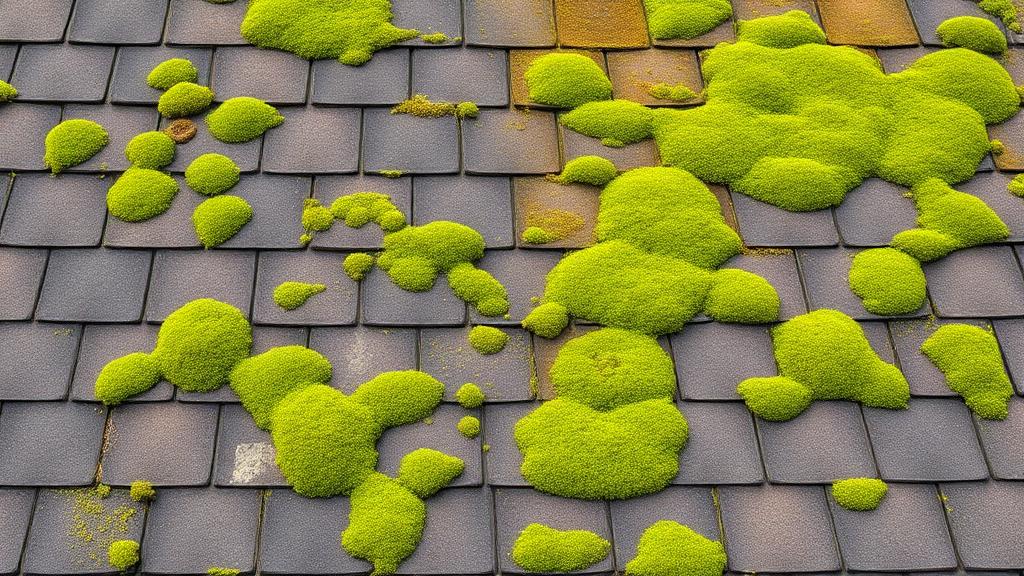
Appearance:: Moss is a thick, green plant growth that develops a spongy, carpet-like texture. Unlike flat algae stains, moss has visible thickness and texture—you can see and feel its raised growth.
Characteristics:: - Bright to dark green color - Fuzzy or velvety texture - Raised, carpet-like growth - Visible individual plants when examined closely
Growth Pattern:: Moss thrives in constantly moist, shaded areas. It often starts between shingles and in valleys where debris accumulates, eventually spreading across larger areas if untreated.
Why Growth Occurs
Environmental Conditions:: - Shade from trees or structures - High humidity climates - North-facing or east-facing roof slopes - Areas with frequent rain or fog - Poor roof drainage leading to standing moisture
Geographic Considerations:: Moss and algae are most problematic in: - Pacific Northwest (high rainfall, moderate temperatures) - Southeast (humidity and warmth) - Northeastern states (shade from deciduous trees) - Any coastal region with marine layer influence
Damage Caused by Moss and Algae
Understanding the damage these organisms cause emphasizes the importance of treatment and prevention.
Algae Damage
Cosmetic Impact:: The most obvious effect is unsightly dark staining that makes roofs appear old and poorly maintained, potentially affecting property values and curb appeal.
Accelerated Wear:: - Algae retains moisture against shingles - Dark staining absorbs more heat, accelerating asphalt degradation - The organism consumes limestone filler, gradually weakening shingles
Moss Damage
Moss causes more severe physical damage than algae:
Shingle Deterioration:: - Moss holds moisture against shingle surfaces constantly - Roots (rhizoids) penetrate between and under shingles - Freeze-thaw cycles cause expansion damage in cold climates - Shingle edges lift, allowing water infiltration
Structural Risks:: - Water channeled under shingles damages roof deck - Chronic moisture leads to wood rot - Lifted shingles become vulnerable to wind damage - Roof leaks develop in affected areas
Shortened Lifespan:: Heavy moss growth can reduce a roof's lifespan by 10-15 years or more if left untreated.
Safe Moss and Algae Removal Methods
Proper removal techniques eliminate growth without damaging your roofing materials.
What NOT to Do
Avoid These Methods:: - Pressure washing destroys granules and forces water under shingles - Wire brushes or stiff brooms scrape away protective granules - Aggressive scraping damages shingle surfaces and edges - Chlorine bleach at high concentrations degrades roofing materials and harms plants
Recommended Removal Approach
Step 1: Pre-Treatment Preparation - Choose a cloudy, calm day (solutions dry too quickly in direct sun) - Wet down plants and grass around the house perimeter - Cover sensitive landscaping with plastic sheeting - Wear appropriate protective gear (safety glasses, gloves, non-slip shoes) - Never work on wet or steep roofs without proper safety equipment
Step 2: Apply Cleaning Solution Effective cleaning solutions include:
Commercial Roof Cleaners:: Products specifically designed for roof cleaning are formulated to kill moss and algae without damaging shingles. Follow manufacturer instructions for dilution and application.
DIY Solutions:: - 50% water, 50% white vinegar (mild, plant-safe) - 1 cup oxygen bleach per gallon of water - 8 oz dish soap, 2 gallons water, 2 cups chlorine bleach (use with caution near plants)
Application Methods:: - Garden sprayer for small areas - Pump sprayer for larger roofs - Apply from top down to ensure complete coverage - Soak growth thoroughly and allow to penetrate
Step 3: Wait and Observe - Allow solution to work for 15-30 minutes - Don't let solution dry on the roof (reapply if needed) - Moss should visibly soften and loosen - Algae stains will begin to lighten
Step 4: Gentle Removal - Use a soft-bristle broom or brush - Sweep downward, following shingle overlap direction - Never scrub upward or sideways against shingle edges - Work carefully to avoid granule loss - Remove large debris by hand
Step 5: Rinse Thoroughly - Use garden hose with moderate pressure - Rinse from top down - Ensure all cleaning solution is removed - Water down plants and landscaping again
Professional Cleaning Services
Consider professional cleaning when: - Roof is steeply pitched or difficult to access - Growth is extensive or deeply established - You're uncomfortable with heights or ladder work - Previous DIY attempts haven't been successful
Professional roofers use specialized equipment and have experience working safely on roofs. Expect to pay $300-$700 for professional cleaning of an average-sized home.
Prevention Strategies
Preventing regrowth is easier than repeated removal treatments.
Metal Strip Installation
How It Works:: Zinc or copper strips installed near the roof ridge release metal ions when it rains. These ions wash down the roof, creating an environment inhospitable to moss and algae.
Installation Details:: - Strips are installed under shingles just below the ridge cap - 2-3 inches of metal remains exposed to weather - Zinc strips are more affordable; copper is more effective - Install on all roof slopes for complete protection
Effectiveness:: Metal strips protect approximately 15-20 feet below their installation point. For longer roof slopes, consider additional strips at mid-roof points.
Cost:: Materials run $1-$3 per linear foot; professional installation adds labor costs. This is often the most cost-effective long-term prevention method.
Algae-Resistant Shingles
When replacing your roof, choose shingles with algae-resistant technology:
Copper Granule Technology:: Premium asphalt shingles incorporate copper granules that continuously release algae-inhibiting ions. Most major manufacturers offer this option.
Benefits:: - 10-15 year algae resistance warranties common - No additional maintenance required - Slight cost premium over standard shingles - Most effective prevention method available
Environmental Modifications
Reduce conditions favorable to moss and algae growth:
Increase Sunlight:: - Trim overhanging tree branches - Remove or thin nearby vegetation that shades the roof - Consider impact on property aesthetics and summer cooling
Improve Drainage:: - Keep gutters clean and flowing freely - Address areas where debris accumulates - Ensure roof valleys drain completely
Reduce Debris:: - Regularly remove leaves and organic debris - Clean valleys and areas around penetrations - Prevent debris accumulation that holds moisture
Regular Maintenance Treatments
Preventive Applications:: Apply moss prevention treatments annually or semi-annually: - Zinc sulfate solutions - Commercial prevention products - DIY solutions at lower concentrations than removal treatments
Timing:: Apply preventive treatments in early spring before growth season and in fall before winter moisture arrives.
Regional Considerations
Pacific Northwest
Heavy rainfall and moderate temperatures make this region particularly prone to moss growth. Recommendations: - Annual or semi-annual prevention treatments - Metal strip installation highly recommended - Consider moss-resistant roofing materials for replacements - Regular tree trimming essential
Southeast and Gulf Coast
High humidity promotes both algae and moss. Recommendations: - Algae-resistant shingles strongly recommended - Focus on algae prevention (primary problem) - Address both shade and moisture factors - Professional cleaning may be needed more frequently
Northeast and Midwest
Seasonal variation creates specific challenges. Recommendations: - Address moss before winter to prevent freeze-thaw damage - Spring cleaning removes winter debris that holds moisture - Both prevention and treatment typically needed - Consider impact of deciduous trees
Southwest and Dry Climates
Lower humidity reduces moss and algae risk, but shaded areas can still develop problems. Recommendations: - Less frequent treatment usually sufficient - Focus on shaded microclimates - Monitor irrigation systems that might wet roof areas - Algae more common than moss in these regions
When to Replace vs. Clean
Sometimes cleaning isn't enough, and roof replacement becomes the better option.
Signs Cleaning Won't Suffice
- Moss has lifted or loosened many shingles
- Shingles crumble during cleaning attempts
- Roof deck damage is visible from attic
- Multiple repair needs exist beyond moss/algae
- Roof is approaching end of expected lifespan anyway
Replacement Considerations
When replacing a moss-or algae-affected roof: - Choose algae-resistant shingles - Install zinc or copper strips as backup prevention - Address shade and drainage issues before installation - Consider metal roofing for maximum resistance
Find qualified roofing contractors who can assess your specific situation and recommend the best approach for your home.
Conclusion
Moss and algae growth may seem like minor cosmetic issues, but left untreated, they can significantly damage your roof and shorten its lifespan. Fortunately, with proper cleaning techniques and prevention strategies, you can maintain a clean, healthy roof for years to come.
Start with safe removal of existing growth, then implement prevention measures appropriate for your climate and roof type. Regular maintenance and monitoring will catch new growth before it becomes established, protecting your roof investment and maintaining your home's curb appeal.