Storm Damage Prevention: Prepare Your Roof Before Severe Weather Strikes
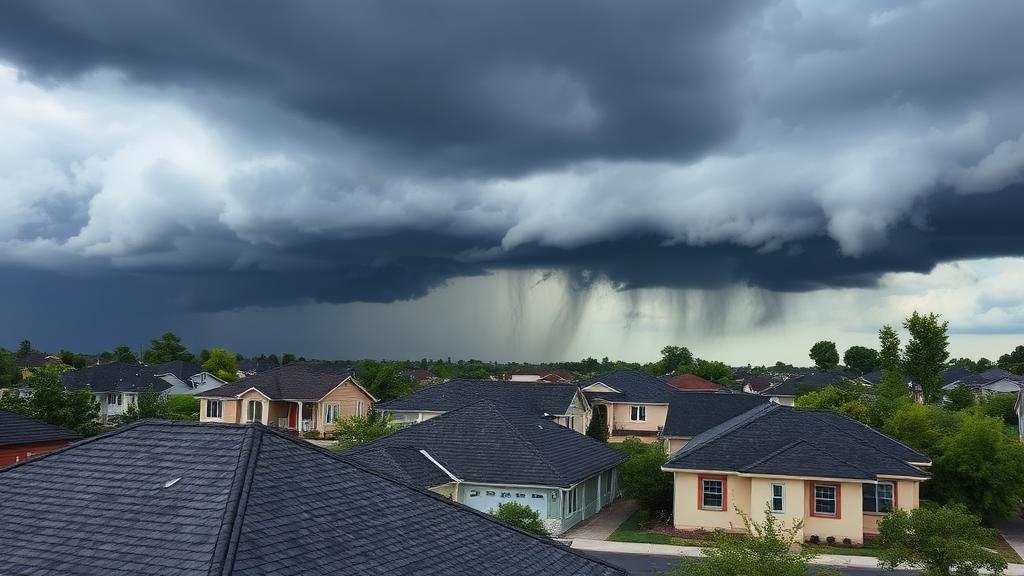
Severe weather can strike with little warning, and your roof is your home's first line of defense against wind, rain, hail, and flying debris. While you can't prevent storms, you can significantly reduce the damage they cause through proper preparation and maintenance. This comprehensive guide covers everything you need to know about protecting your roof before severe weather strikes.
Understanding Storm Damage Risks
Different types of severe weather create different threats to your roof. Understanding these risks helps you prepare effectively.
Wind Damage
How Wind Damages Roofs:: - Direct pressure lifts and tears shingles - Suction effects pull materials upward on leeward sides - Flying debris punctures and impacts roofing - Cumulative stress loosens fasteners over time
Vulnerability Factors:: - Loose or damaged shingles - Improperly sealed shingle edges - Gaps around penetrations - Deteriorated sealants and flashing - Overhanging tree limbs
Wind Speed Thresholds:: | Wind Speed | Potential Damage | |------------|-----------------| | 50-60 mph | Loose shingles may lift | | 60-75 mph | Shingles can be torn off | | 75-90 mph | Significant shingle loss possible | | 90+ mph | Structural damage possible |
Hail Damage
How Hail Damages Roofs:: - Punctures or cracks roofing material - Bruises asphalt shingles (hidden damage) - Destroys granule protection - Damages flashing, gutters, and vents
Size and Impact:: - Pea-sized (1/4"): Usually no significant damage - Marble-sized (1/2"): Light damage possible - Golf ball (1.75"): Moderate to severe damage - Baseball (2.75"): Severe damage likely
Water Intrusion
Pathways for Water Entry:: - Wind-driven rain under shingles - Overflow from clogged gutters - Damaged or missing flashing - Cracked or missing shingles - Compromised seals around penetrations
Secondary Damage:: Water that enters during storms causes ongoing damage: - Mold and mildew growth - Insulation saturation - Wood rot - Electrical hazards - Drywall and interior damage
Pre-Storm Roof Assessment
The best time to prepare for storms is well before they threaten. Regular maintenance and timely repairs reduce storm damage significantly.
Visual Inspection Checklist
From Ground Level:: - Scan roof surface for obvious damage or missing material - Check gutters for proper attachment - Note any visible debris accumulation - Look for overhanging or dead tree branches - Inspect visible flashing around chimneys
From Attic (if accessible):: - Look for daylight through roof deck - Check for existing water stains - Inspect for proper ventilation - Note any damaged or compressed insulation - Verify structural members appear sound
Professional Inspection Value
Consider scheduling a professional roof inspection before storm season if: - Your roof is more than 10 years old - You've experienced recent storms - You notice any warning signs of damage - You're preparing for hurricane or tornado season - Your roof hasn't been inspected in 3+ years
A professional can identify vulnerabilities you might miss and recommend specific reinforcement measures.
Shingle Maintenance and Reinforcement
Asphalt shingles are vulnerable to wind damage, especially at edges and around penetrations.
Identifying Vulnerable Shingles
Signs of Vulnerability:: - Curling or cupping edges - Cracked or broken shingles - Missing adhesive seal strips - Lifted or loose shingles - Visible nail heads or fastener failure
Repair and Reinforcement
Immediate Repairs:: - Replace missing or severely damaged shingles - Re-secure lifted shingles with roofing cement - Reseal any lifted edges - Replace cracked shingles before they fail completely
Reinforcement Options:: - Apply roofing cement under shingle edges in wind-prone areas - Install wind-resistant shingles during replacement - Consider impact-resistant shingles in hail-prone regions - Ensure proper nail placement per manufacturer specifications
Flashing Protection
Flashing protects the most vulnerable areas of your roof. Compromised flashing is a primary source of storm damage.
Critical Flashing Areas
Check and Maintain:: - Chimney flashing (step and counter flashing) - Plumbing vent boots - Skylight edges - Roof-to-wall intersections - Valley flashing - Drip edge at eaves and rakes
Pre-Storm Flashing Prep
Maintenance Tasks:: - Inspect all flashing for gaps, rust, or lifting - Reseal joints with quality roofing sealant - Replace damaged or deteriorated sections - Ensure counter flashing is properly embedded - Check that flashing extends adequately onto surfaces
Gutter System Preparation
Gutters play a crucial role in managing storm water. Failing gutters compound storm damage.
Pre-Storm Gutter Tasks
Essential Preparation:: - Clean all debris from gutters and downspouts - Repair any damaged sections or loose hangers - Clear downspout extensions and ground drainage paths - Consider installing gutter guards if not present - Verify gutters are securely attached to fascia
During Extended Storm Warnings
Additional Measures:: - Do one final debris check before storm arrival - Ensure all downspouts are connected and clear - Position additional drainage if flooding is possible - Photograph gutter condition for insurance purposes
Tree and Debris Management
Overhanging trees are one of the greatest storm damage risks to roofs.
Tree Assessment
Evaluate All Trees Near Home:: - Dead or dying branches that could fall - Limbs extending over or near roof - Trees with root damage or lean - Hollow or decayed trunk sections - Species known for weak wood (willow, silver maple, Bradford pear)
Preventive Trimming
Best Practices:: - Maintain 10+ feet clearance from roof surface - Remove dead branches regardless of position - Address damaged limbs before storm season - Consider professional arborist for large trees - Don't top trees—proper pruning preserves health
Yard Debris
Before Storms:: - Secure or store loose outdoor furniture - Anchor trampolines, play equipment, etc. - Remove portable items that could become projectiles - Store construction materials under cover
Attic and Interior Preparation
Protection doesn't stop at the roof surface. Interior preparation minimizes damage if water does enter.
Attic Preparation
Protective Measures:: - Ensure insulation is properly installed - Check that bathroom fans vent outside - Verify attic access covers are weather-stripped - Store nothing of value directly on attic floor - Keep emergency tarp material accessible
Interior Protection
If Severe Storm Is Imminent:: - Move valuables away from under skylights - Cover electronics near ceiling fixtures - Have buckets and towels ready - Know locations of utility shutoffs - Document current condition with photos
Emergency Supplies and Planning
Having supplies ready allows quick response to storm damage.
Emergency Roofing Kit
Keep On Hand:: - Quality tarps (at least 8x10 ft, preferably larger) - Rope or bungee cords for securing tarps - Roofing cement/sealant - Replacement shingles (if you have extra from installation) - Roofing nails - Flashlight with fresh batteries - Work gloves and safety glasses
Insurance Documentation
Before Any Storm:: - Review your homeowner's insurance coverage - Understand your deductible and limits - Document roof condition with dated photos - Keep policy information accessible - Know how to contact your insurance company
Post-Storm Inspection and Response
After any significant storm, inspect your roof as soon as safely possible.
Safe Inspection Practices
Safety First:: - Wait until weather has completely cleared - Watch for downed power lines near home - Don't walk on wet or damaged roof - Use binoculars for initial assessment from ground - Beware of weakened structure after severe damage
What to Look For
Exterior Signs:: - Missing or displaced shingles - Debris on roof surface - Damaged flashing or vents - Gutter damage or displacement - Fallen tree limbs or impact marks
Interior Signs:: - Water stains appearing on ceilings - Dripping water (obvious and hidden) - Wet insulation in attic - Daylight visible through roof deck - Musty odors developing
Immediate Response
If Damage Is Found:: 1. Document everything with photos and video 2. Cover damaged areas with tarps if safely possible 3. Contact your insurance company promptly 4. Begin contacting reputable roofing contractors 5. Don't make permanent repairs before adjuster visit (unless emergency)
Emergency Tarping
Safe Tarping Approach:: - Use tarps large enough to extend well beyond damage - Weight or tie tarp edges securely - Cover from peak down to allow water runoff - Don't nail through shingles if avoidable - This is temporary—professional repair needed
Insurance Considerations
Understanding your coverage helps you recover from storm damage effectively.
Filing Storm Damage Claims
Key Steps:: - Report damage promptly (usually within 24-72 hours) - Document damage before any repairs except emergency tarping - Keep damaged materials for adjuster inspection - Get multiple contractor estimates - Be present when adjuster inspects
Common Coverage Questions:: - Most policies cover sudden storm damage - Deductibles vary—wind/hail deductibles may differ - Cosmetic damage may not be covered - Age of roof affects claim settlement - Pre-existing conditions aren't covered
Avoiding Claim Problems
Best Practices:: - Maintain records of roof maintenance - Keep receipts from previous repairs - Document roof condition regularly - Respond promptly to insurer requests - Consider public adjuster for significant claims
Regional Storm Preparation
Different regions face different primary threats.
Hurricane Zones
Additional Preparation:: - Verify roof meets local wind codes - Consider hurricane straps for roof-to-wall connection - Install impact-resistant materials if replacing - Follow evacuation orders when issued - Board windows to prevent pressurization
Tornado Alley
Specific Concerns:: - Keep shelter plan ready - Maintain insurance documentation in safe location - Consider impact-resistant roofing materials - Tree management particularly important - Quick access to emergency supplies essential
Hail-Prone Regions
Special Considerations:: - Impact-resistant (Class 4) shingles worth investment - Regular inspection after hail events - Prompt claim filing—damage may not be immediately visible - Document hail size when storms occur
Winter Storm Areas
Preparation Focus:: - Ice dam prevention measures in place - Snow removal plan for excessive accumulation - Heat cable installation for problem areas - Emergency heating backup plan
Working with Contractors After Storms
Major storms often bring storm chasers and questionable contractors.
Contractor Selection
Warning Signs:: - Unsolicited door-to-door offers immediately after storms - Pressure to sign contracts immediately - Requests for large deposits upfront - Out-of-state contractors with no local presence - Offers to waive insurance deductible (illegal)
Best Practices:: - Get multiple estimates from established local contractors - Verify licensing, insurance, and references - Don't sign anything under pressure - Payment tied to work completion - Written warranty on all work
Find trusted roofing professionals in your area before you need them for emergency repairs.
Conclusion
Storm damage prevention is ultimately about consistent maintenance and thoughtful preparation. While you can't control the weather, you can control your roof's ability to withstand it.
Start with a thorough assessment of your current roof condition, address any vulnerabilities before storm season, and maintain your emergency supplies and documentation. When storms do strike, quick response minimizes damage and gets your home protected again rapidly.
Your roof protects everything underneath it—invest in keeping it storm-ready year-round.