Georgia Roof Ventilation: Managing Humidity and Heat
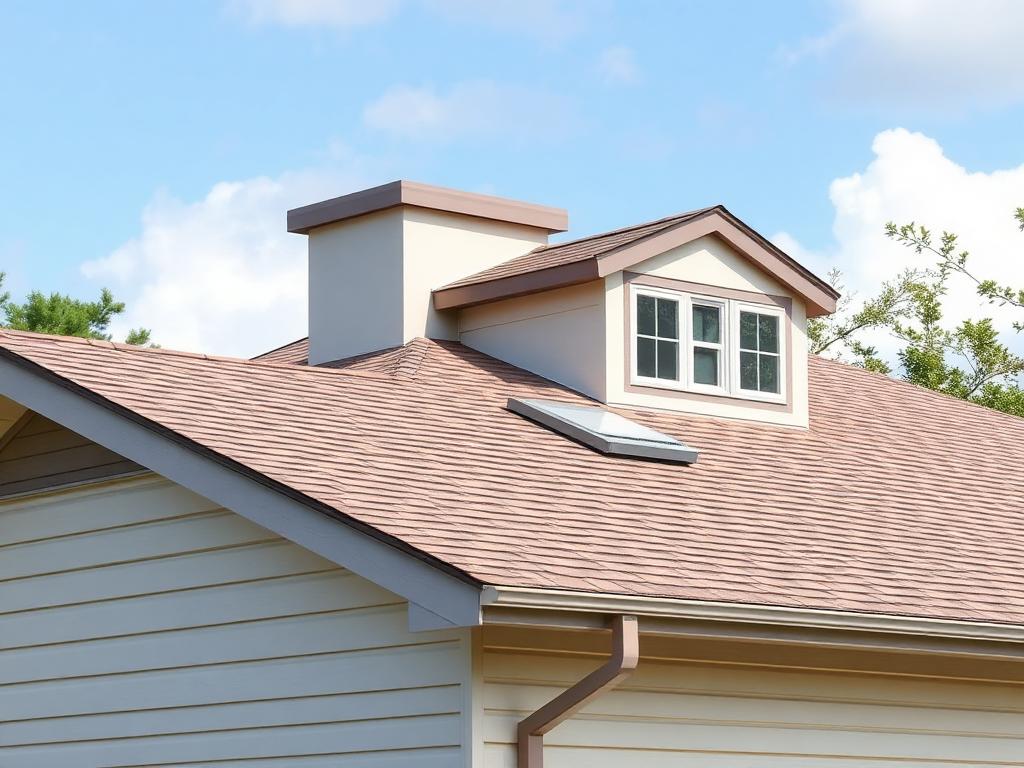
Proper roof ventilation is critical for Georgia homes. The combination of high humidity and intense summer heat creates conditions that can damage roofing materials and increase energy costs without adequate ventilation. This guide explains ventilation requirements for Georgia roofs.
Why Ventilation Matters in Georgia
Georgias humid climate creates unique ventilation challenges. Without proper airflow, moisture accumulates in attic spaces, promoting mold growth and wood deterioration. Heat buildup in summer shortens shingle lifespan and increases cooling costs.
Moisture from indoor activities rises into attic spaces. In humid Georgia conditions, this moisture cannot dissipate without ventilation, causing condensation on roof sheathing and potential structural damage.
Summer attic temperatures can exceed 150 degrees in poorly ventilated Georgia homes. This extreme heat accelerates shingle aging from below while sun exposure stresses materials from above.
Ventilation Principles
Effective ventilation requires balanced intake and exhaust. Cool air enters through soffit vents at eaves and exits through ridge vents or other exhaust points at the roof peak. This natural convection removes heat and moisture continuously.
The ratio of ventilation to attic floor area determines adequacy. Georgia building codes require minimum 1:150 ratio (1 square foot of net free ventilation area per 150 square feet of attic floor). More ventilation often provides additional benefits.
Ventilation Options
Ridge and Soffit Vents: The most effective passive ventilation system. Continuous ridge vents along the roof peak work with soffit vents at eaves to create constant airflow. This combination provides uniform ventilation across the entire attic space.
Roof Vents: Box vents or turbine vents supplement ridge ventilation. Multiple roof vents distributed across the roof surface help ensure adequate airflow in complex roof designs.
Power Ventilators: Thermostatically controlled fans actively remove hot air during peak conditions. Power ventilators can supplement passive systems in extreme heat but add electrical costs.
Gable Vents: Traditional gable vents provide cross-ventilation but are less effective than ridge and soffit systems. Gable vents work best when wind direction aligns with vent orientation.
Common Ventilation Problems
Blocked soffit vents prevent adequate intake, rendering exhaust vents ineffective. Insulation pushed against soffits blocks airflow. Proper baffles maintain clear pathways from soffits to attic spaces.
Inadequate exhaust capacity limits heat and moisture removal. Verify exhaust vent area matches intake capacity for balanced airflow.
Multiple exhaust types can interfere with each other. Mixing ridge vents with roof vents may create short-circuiting that reduces overall effectiveness.
Signs of Ventilation Problems
Interior moisture issues, including condensation on windows and musty odors, may indicate inadequate attic ventilation. Ice forming on roof surfaces in rare Georgia freezes suggests heat escaping through inadequate ventilation.
Premature shingle failure, particularly curling and granule loss, can result from excessive attic heat. If shingles fail before expected lifespan, investigate ventilation adequacy.
Conclusion
Proper ventilation protects Georgia roofs from humidity and heat damage while reducing energy costs. Investment in adequate ventilation provides returns through extended roof life and improved comfort.
Need ventilation assessment? Find Georgia roofing contractors experienced with ventilation solutions.