Moss and Algae Removal for Georgia Roofs: Prevention and Treatment
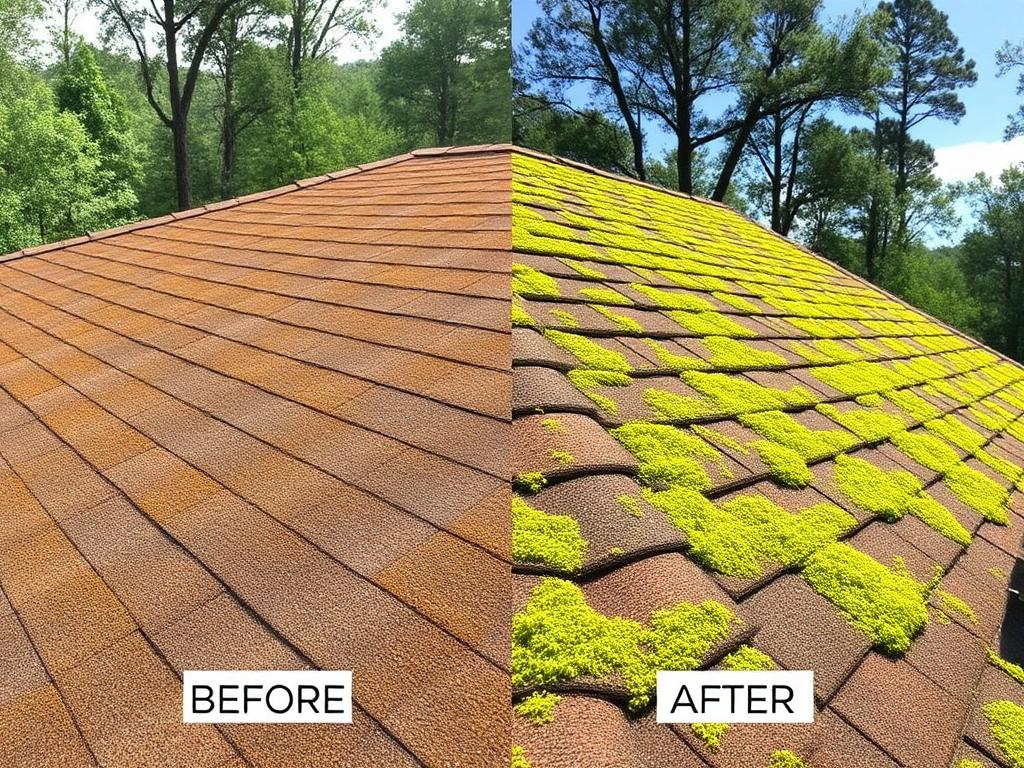
Georgias humid climate promotes moss and algae growth on roof surfaces. These organisms create unsightly black streaks and green patches while potentially damaging roofing materials. This guide covers removal methods and prevention strategies.
Understanding Moss and Algae Growth
Algae appears as dark streaks or stains on roof surfaces, particularly on north-facing slopes that receive less direct sunlight. The organism Gloeocapsa magma causes the characteristic black streaking seen on many Georgia roofs.
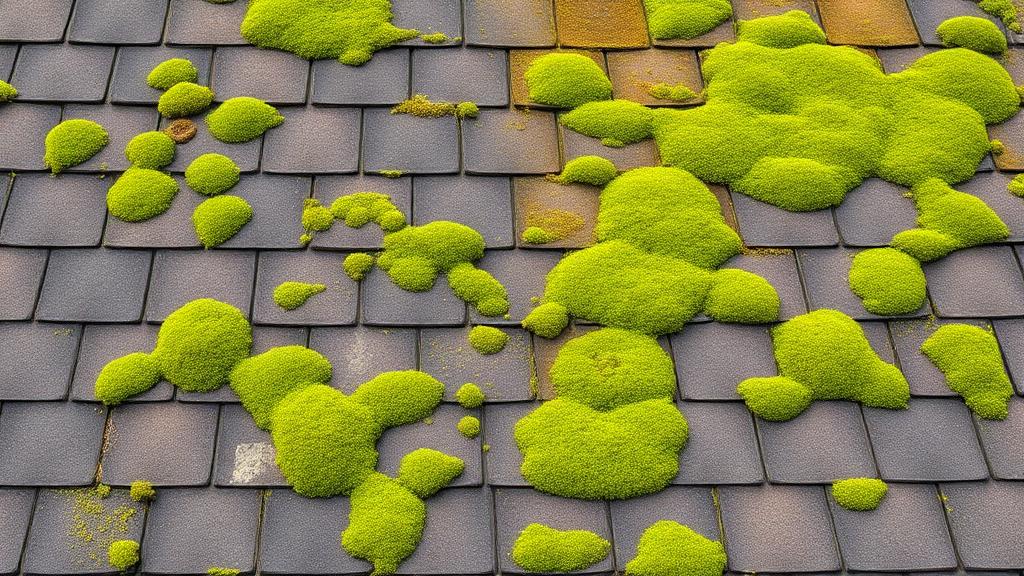
Moss is more problematic, as it holds moisture against roof surfaces and can lift shingle edges, creating water entry points. Moss typically grows in shaded, consistently damp areas.
Both organisms thrive in Georgia humidity. Shaded roof areas and poor drainage accelerate growth. Without treatment, infestations worsen over time.
Removal Methods
Chemical Treatment: Specialized roof cleaning solutions kill algae and moss without damaging roofing materials. Apply solutions following manufacturer directions and allow adequate contact time before rinsing.
Low-Pressure Washing: Gentle washing with appropriate cleaning solutions removes dead organisms and accumulated debris. Avoid high-pressure washing that can damage shingles by removing granules.
Professional Cleaning: Professional roof cleaners have equipment and expertise for safe, effective cleaning. Professional service is recommended for severe infestations and steep or complex roofs.
Never use bleach or harsh chemicals that can damage landscaping and degrade roofing materials. Always protect landscaping from runoff during cleaning.
Prevention Strategies
Algae-Resistant Shingles: Modern shingles incorporate copper or zinc granules that inhibit algae growth. When replacing roofing, choose algae-resistant products for Georgia conditions.
Metal Strips: Copper or zinc strips installed at roof ridges leach ions during rain that inhibit algae growth on downstream surfaces. This provides long-term protection for existing roofs.
Tree Trimming: Reducing shade on roof surfaces allows sunlight and airflow that discourage growth. Maintain clearance between trees and roofing to improve drying after rain.
Regular Maintenance: Annual cleaning removes organisms before they establish severe infestations. Preventive treatment costs less than remediation of advanced growth.
When to Call Professionals
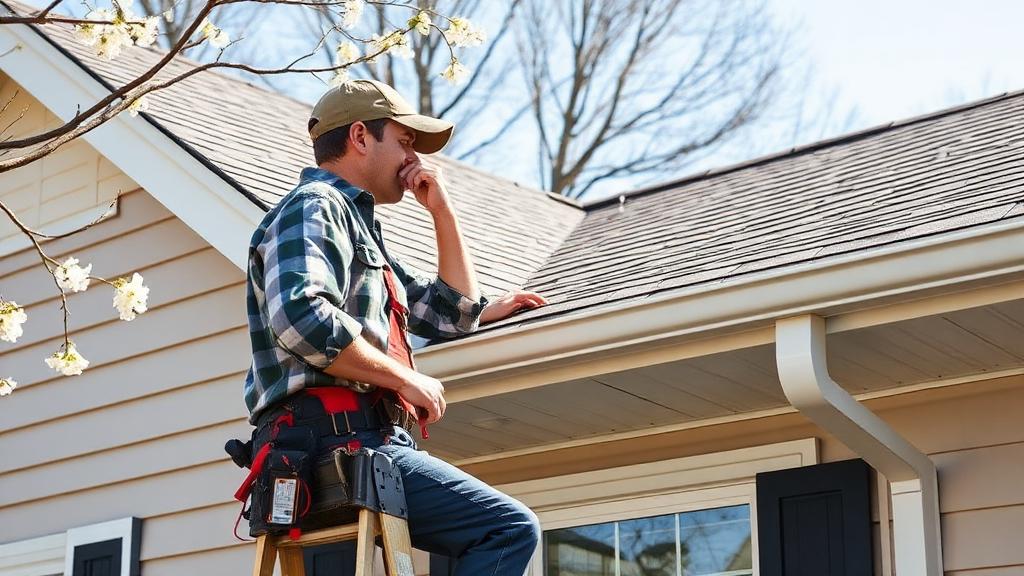
Steep roofs and significant infestations warrant professional attention. Walking on algae-covered roofs is extremely slippery and dangerous. Professionals have safety equipment and experience for challenging situations.
If moss has lifted shingle edges or caused visible damage, professional assessment determines whether cleaning alone is sufficient or repairs are needed.
Conclusion
Moss and algae are manageable problems for Georgia homeowners who understand treatment and prevention options. Regular attention prevents minor growth from becoming major problems.
Need roof cleaning services? Find Georgia roofing contractors offering cleaning and treatment services.