Illinois Winter Roofing: Managing Snow, Ice, and Cold Weather Challenges
Illinois winters bring significant challenges for residential roofs. Understanding winter roofing issues helps homeowners protect their properties during the coldest months.
Illinois Winter Weather
Heavy Snowfall: Northern Illinois receives significant annual snowfall. Chicago averages 35+ inches per year.
Ice Accumulation: Freezing rain and ice storms can add substantial weight to roof structures.
Extreme Cold: Extended periods below freezing stress roofing materials.
Temperature Cycling: Freeze-thaw cycles cause expansion and contraction damage.
Snow Load Considerations
Design Loads: Illinois building codes specify minimum snow load requirements. Most residential roofs are designed for 20-30 pounds per square foot.
Accumulation Risk: Flat or low-slope roofs require attention during heavy snow events.
Distribution: Uneven snow distribution, especially from drifting, can exceed design loads.
Removal Guidelines: Professional removal may be necessary when accumulation exceeds 18-24 inches.
Ice Dam Prevention
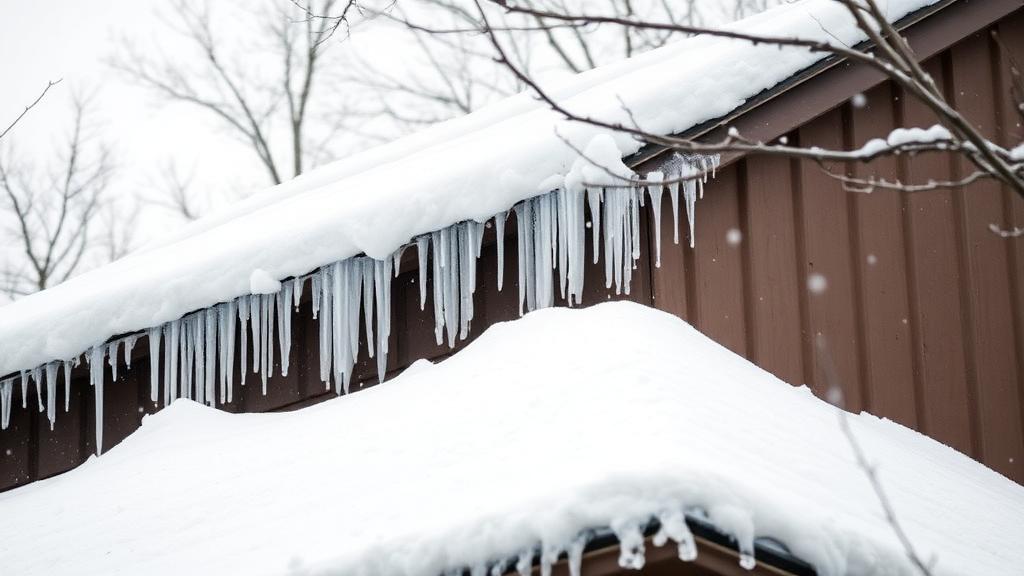
Ice dams form when heat escapes through the roof, melting snow that refreezes at the eaves:
Attic Insulation: Minimum R-49 recommended for Illinois. Prevents heat loss into attic space.
Ventilation: Balanced soffit and ridge ventilation keeps attic cold.
Air Sealing: Seal penetrations to prevent warm air leakage into attic.
Ice and Water Shield: Essential along eaves in ice dam-prone areas.
Winter Roof Maintenance
Pre-Winter Inspection: Address loose shingles, damaged flashing, and worn sealants before winter.
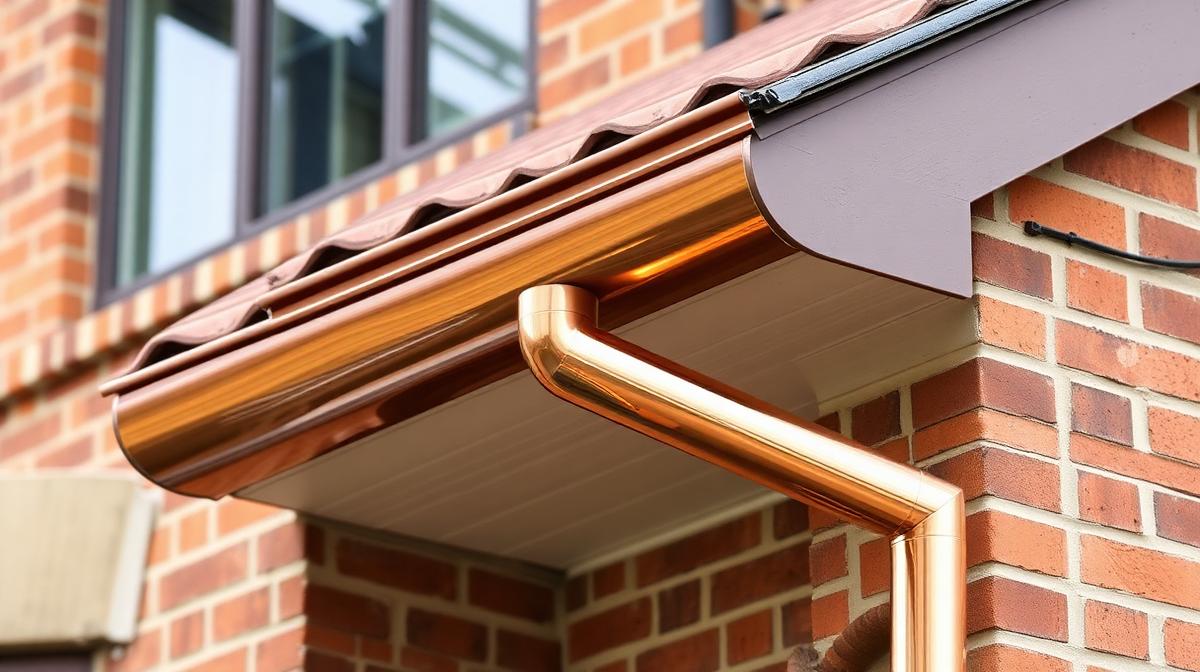
Gutter Maintenance: Clean gutters and ensure proper drainage.
Attic Inspection: Check for proper insulation and ventilation.
Emergency Preparedness
Know Warning Signs: Interior water stains, ice forming on walls, icicles at eaves.
Professional Removal: Never attempt roof access during winter conditions.
Emergency Contacts: Have contractor contacts ready for urgent situations.
Cold Weather Installation
Winter roofing installations require special considerations:
Temperature Limits: Asphalt shingles should not be installed below 40°F without precautions.
Hand Sealing: Cold-weather installations require hand sealing of shingles.
Material Storage: Materials must be stored warm until installation.
Conclusion
Illinois winter preparedness protects your roof investment. Focus on insulation, ventilation, and pre-winter maintenance.
Need winter roofing help? Find Illinois roofing contractors experienced with cold-weather challenges.