Maine Coastal Roofing: Salt Air and Storm Protection Guide
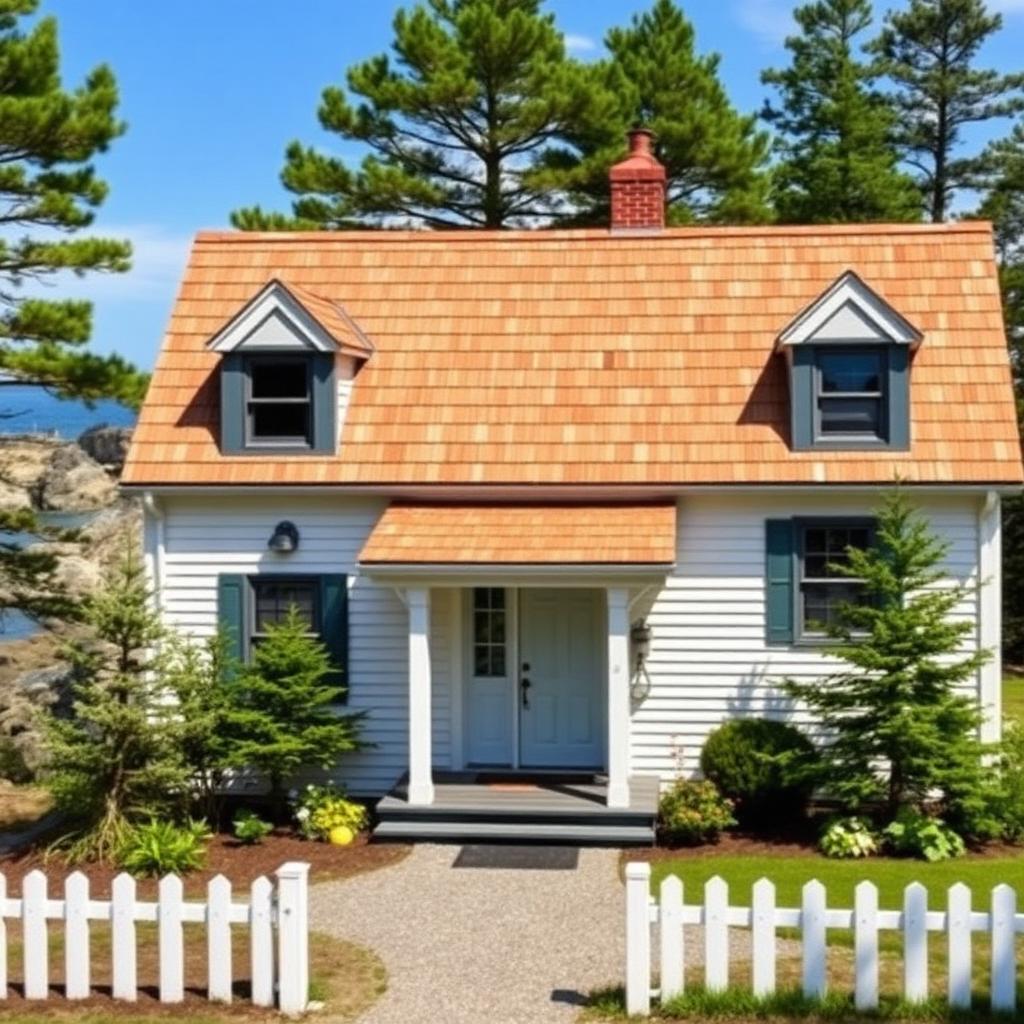
Maine coastal homes face unique challenges from salt air corrosion and powerful storms. Understanding protection strategies extends roof life.
Coastal Challenges
Salt Air: Corrosive environment year-round.
Noreasters: Powerful storms with high winds.
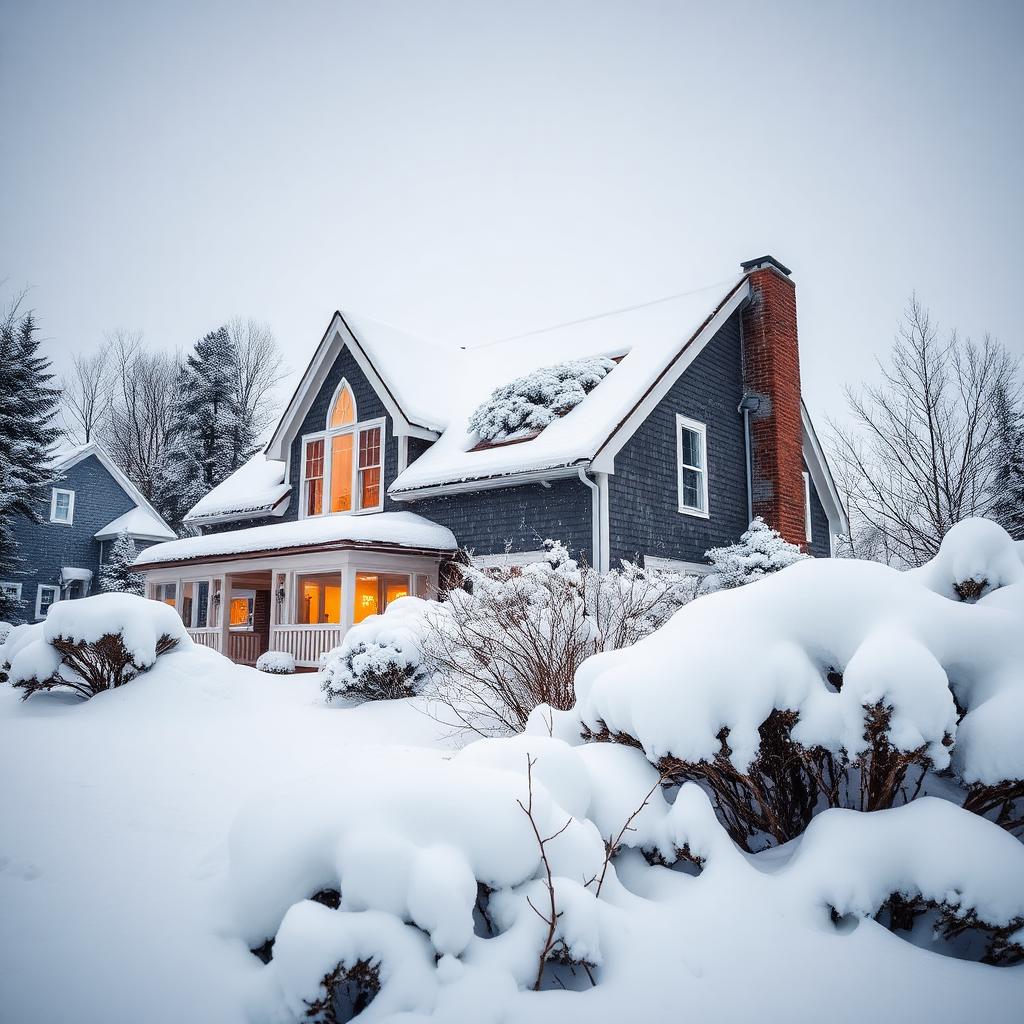
Driving Rain: Intense horizontal precipitation.
Humidity: Elevated moisture levels.
Salt Air Effects
Metal Corrosion: Unprotected metal degrades.
Fastener Failure: Standard fasteners corrode.
Flashing Damage: Metal components affected.
Accelerated Aging: Materials wear faster.
Material Selection
Aluminum Components: Salt-resistant choice.
Stainless Steel: Premium fastener option.
Galvanized Coatings: Zinc protection layer.
Copper: Traditional coastal choice.
Roofing Options
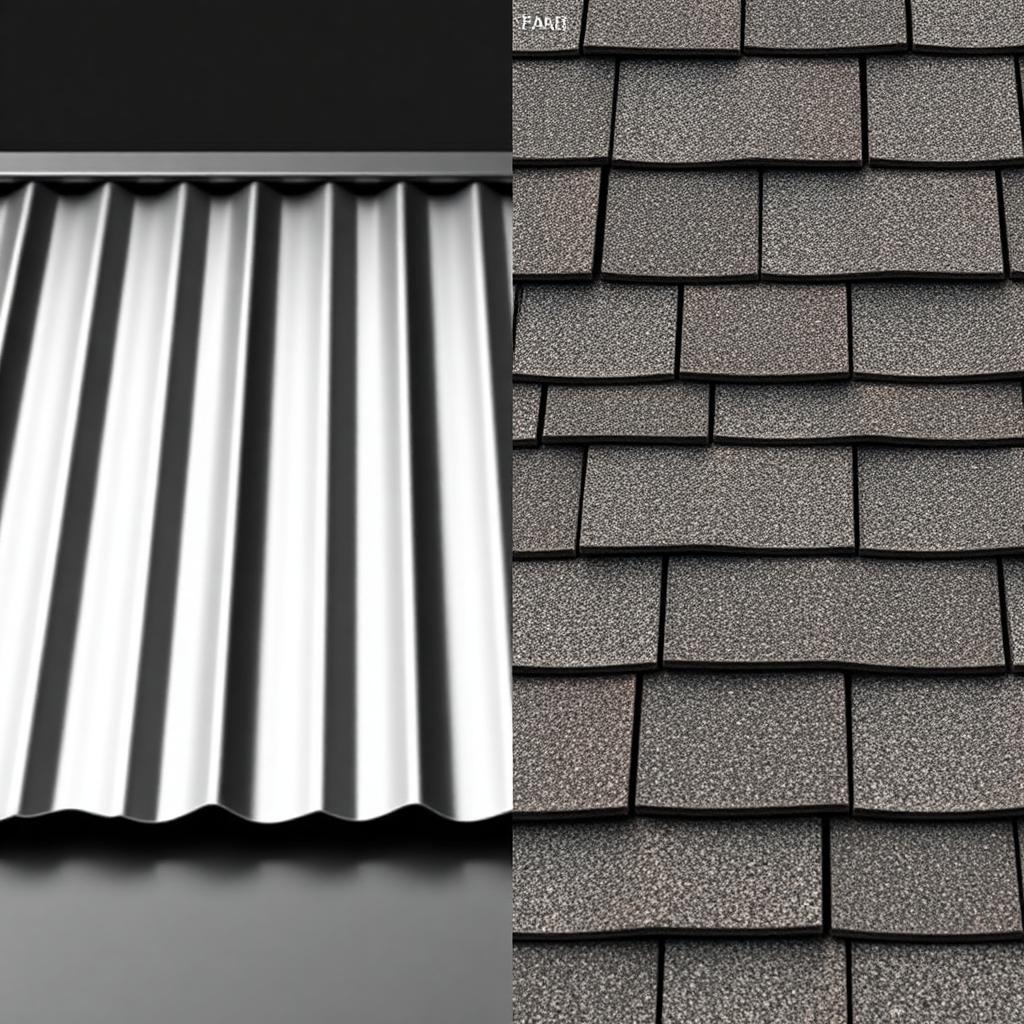
Architectural Shingles: Quality products perform well.
Cedar Shakes: Traditional Maine aesthetic.
Metal with Coatings: Properly finished for coastal use.
Slate: Premium durability.
Storm Protection
Wind Ratings: Choose 130+ mph products.
Enhanced Fastening: Upgrade nailing patterns.
Edge Protection: Proper drip edge installation.
Sealed Systems: Prevent wind-driven rain.
Maintenance Importance
Regular Inspection: Check for salt damage.
Cleaning: Remove salt accumulation.
Prompt Repairs: Address issues quickly.
Coating Refresh: Maintain protective finishes.
Insurance Considerations
Coastal Coverage: Understand wind/storm policies.
Deductibles: Know hurricane/wind deductibles.
Documentation: Maintain improvement records.
Mitigation Credits: Available for upgrades.
Conclusion
Maine coastal roofing requires salt-resistant materials and storm-ready installation. Regular maintenance extends life in harsh conditions.
Need coastal roofing expertise? Find Maine contractors experienced with oceanfront homes.