Historic Home Roofing in Massachusetts: Preservation and Restoration Guide
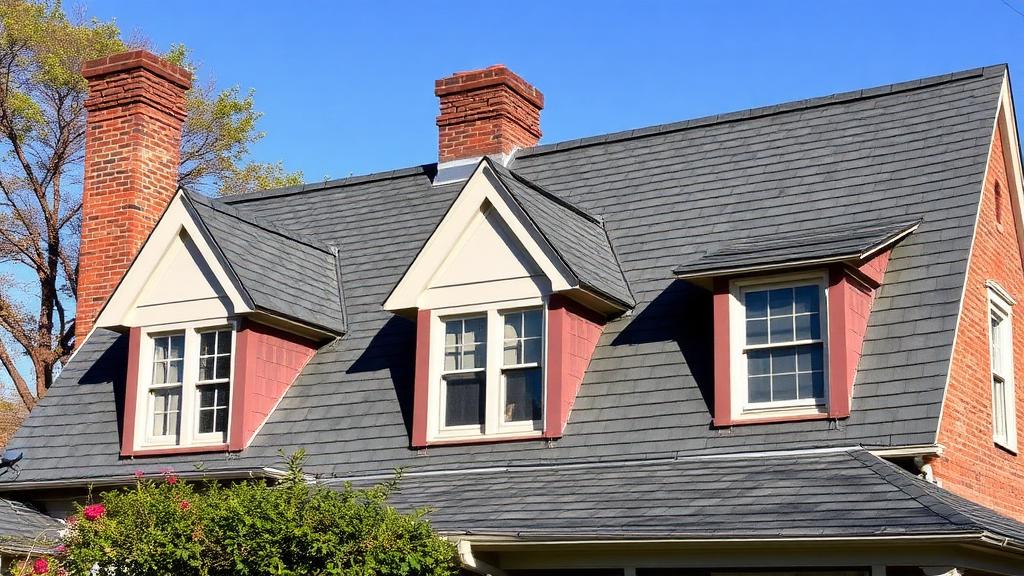
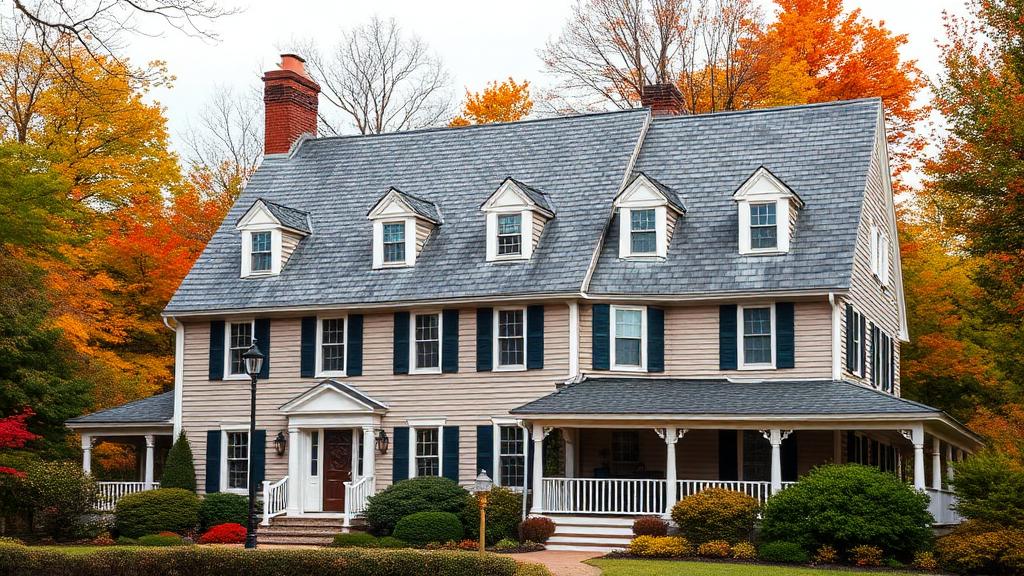
Massachusetts rich architectural heritage includes thousands of historic homes requiring specialized roofing consideration. From colonial-era structures to Victorian masterpieces, historic roofing demands attention to period authenticity and preservation requirements.
Understanding Historic Roofing
Preservation Importance: Historic roofs are defining architectural features. Material choices, profiles, and details contribute to historical significance. Inappropriate changes diminish historic value and may violate regulations.
Common Historic Materials: - Natural slate: Common on Georgian, Federal, and Victorian homes - Wood shingles and shakes: Colonial and early American styles - Standing seam metal: Federal and Greek Revival periods - Clay tile: Spanish Colonial and Mission styles - Asphalt (historic): Mid-20th century buildings
Regulatory Considerations
Historic Districts: Many Massachusetts communities have historic districts with design review requirements. Roofing changes may require approval from local historic commissions.
National Register Properties: Buildings on the National Register have specific guidelines for rehabilitation. Tax credit eligibility requires adherence to Secretary of Interior Standards.
Massachusetts Historical Commission: The state agency provides guidance on historic preservation standards and reviews projects involving state or federal involvement.
Local Requirements: Individual communities may have additional regulations. Check with your local building department and historical commission before planning roof work.
Material Matching
Slate Roofing: Matching existing slate requires attention to color, size, thickness, and texture. Salvaged slate from demolished buildings provides period-appropriate material. New slate sources should match original quarry characteristics when possible.
Wood Roofing: Historic wood roofing used hand-split shakes or sawn shingles in specific patterns. Replacement should match original profile and application method.
Metal Roofing: Historic standing seam used terne-coated steel or copper with specific seam heights and patterns. Modern materials can replicate appearance while providing improved performance.
Restoration vs Replacement
Repair When Possible: Preserving original materials maintains authenticity. Many slate and metal roofs can be repaired rather than replaced.
In-Kind Replacement: When replacement is necessary, match original materials as closely as possible. Document original conditions before removal.
Synthetic Alternatives: Modern synthetic materials can approximate historic appearances for buildings where visual compatibility is acceptable and budget constraints exist.
Finding Qualified Contractors
Historic roofing requires specialized skills:
- Experience with specific historic materials
- Understanding of preservation standards
- References from similar historic projects
- Familiarity with regulatory approval processes
- Willingness to work with preservation specialists
Conclusion
Massachusetts historic homes deserve careful roofing attention that respects their architectural heritage while providing modern protection.
Need historic roof restoration? Find Massachusetts roofing contractors with historic preservation experience.