Massachusetts Residential Roofing: New England Homeowner Guide for 2026
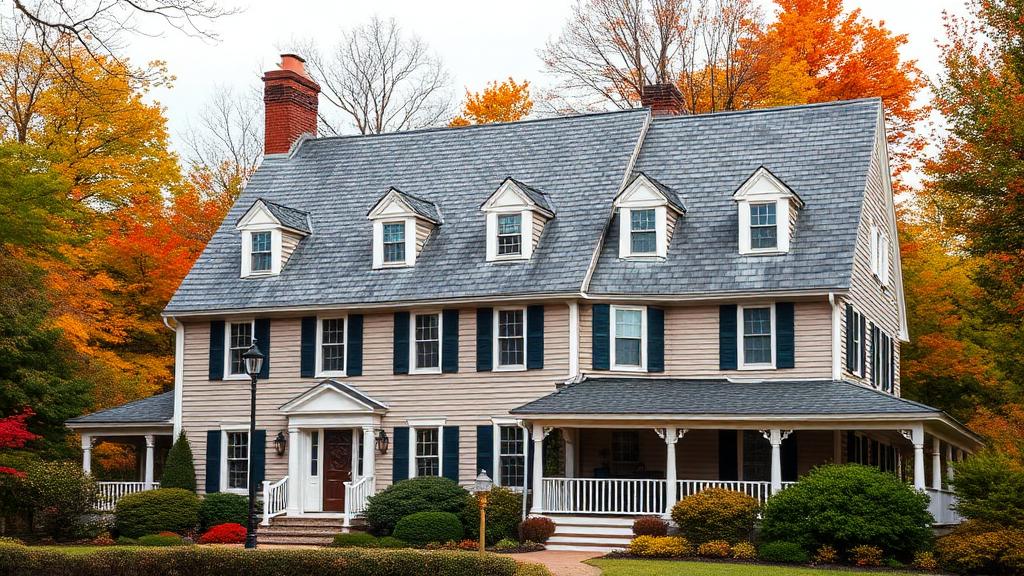
Massachusetts homeowners face some of the most demanding roofing conditions in the country, from heavy snow loads and ice dams to coastal nor'easters and salt air exposure. Understanding these regional factors helps you make informed decisions about roof materials, maintenance, and contractor selection.
Massachusetts Climate Challenges
Massachusetts experiences four distinct seasons with significant roofing impacts:
Winter Severity: Average snowfall ranges from 40-60 inches in most areas to over 100 inches in western Massachusetts. Heavy snow loads stress roof structures. Freeze-thaw cycles damage materials.
Ice Dam Formation: Temperature fluctuations and heat loss create ideal ice dam conditions. Ice dams cause interior water damage and shingle deterioration.
Nor'easters: Major coastal storms bring heavy precipitation, high winds, and salt spray. These events stress roofing systems significantly.
Coastal Exposure: Cape Cod, the Islands, and coastal communities face salt air corrosion that accelerates material deterioration.
Best Materials for Massachusetts
Architectural Shingles: The most common residential choice. Select impact-resistant varieties in hail-prone areas. Algae-resistant options help coastal properties.
Metal Roofing: Excellent for snow shedding and longevity. Standing seam handles freeze-thaw well. Aluminum resists coastal corrosion better than steel.
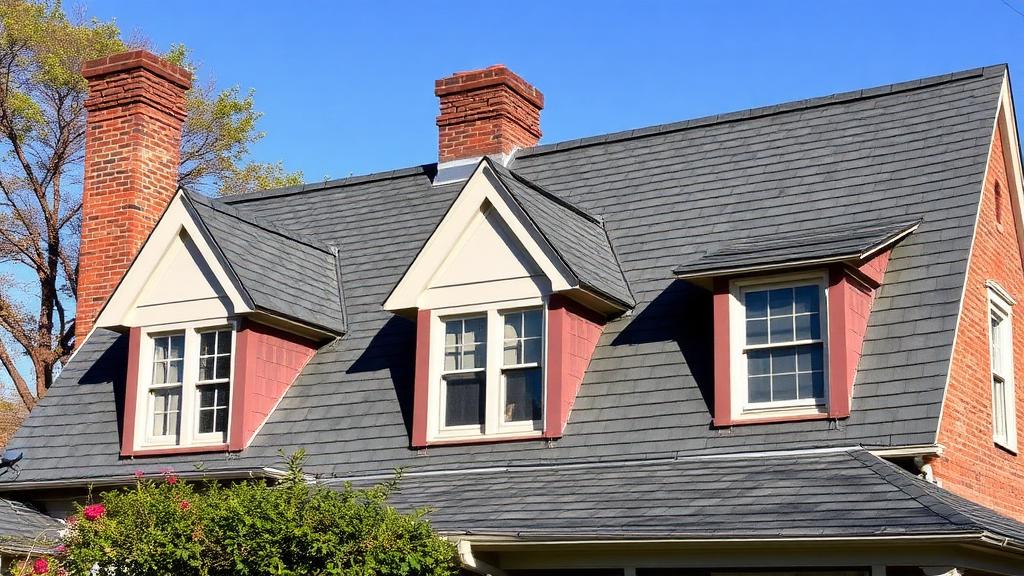
Slate Roofing: Traditional New England choice with 100+ year lifespan. Common on historic homes. Requires specialized installation and sturdy structure.
Synthetic Slate and Shake: Provide traditional appearance with better affordability and lighter weight than natural materials.
Ice Dam Prevention
Ice dams are a primary concern for Massachusetts roofs:
Proper Insulation: Adequate attic insulation prevents heat loss that causes snow melt. R-49 or higher is recommended.
Balanced Ventilation: Soffit and ridge ventilation maintains even roof temperatures. This prevents melt-freeze patterns.
Ice and Water Shield: Membrane applied in vulnerable areas prevents water infiltration when ice dams form.
Snow Load Considerations
Massachusetts building codes require roofs designed for local snow loads:
Structural Capacity: Older homes may have inadequate capacity for extreme accumulations. Know your roof limits.
Snow Removal: When accumulation exceeds safe levels, professional snow removal may be necessary.
Warning Signs: Doors sticking, cracked drywall, and sagging ceilings indicate excessive load.
Finding Massachusetts Contractors
Massachusetts requires contractor registration and home improvement contractor licensing for projects over $500:
- Home Improvement Contractor (HIC) registration
- Liability insurance verification
- Workers compensation compliance
- Written contracts as required by law
Conclusion
Massachusetts roofing demands attention to winter performance, ice dam prevention, and storm resistance. Work with experienced local contractors who understand New England conditions.
Ready to find Massachusetts roofing professionals? Search our verified contractor directory for qualified roofers in your area.