Michigan Ice Dam Prevention: Complete Guide to Protecting Your Home
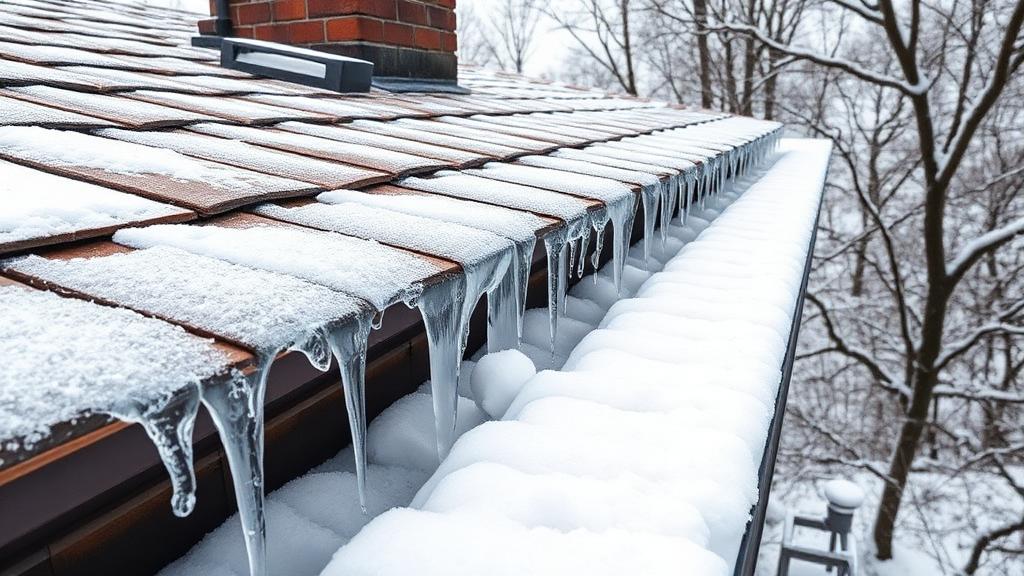
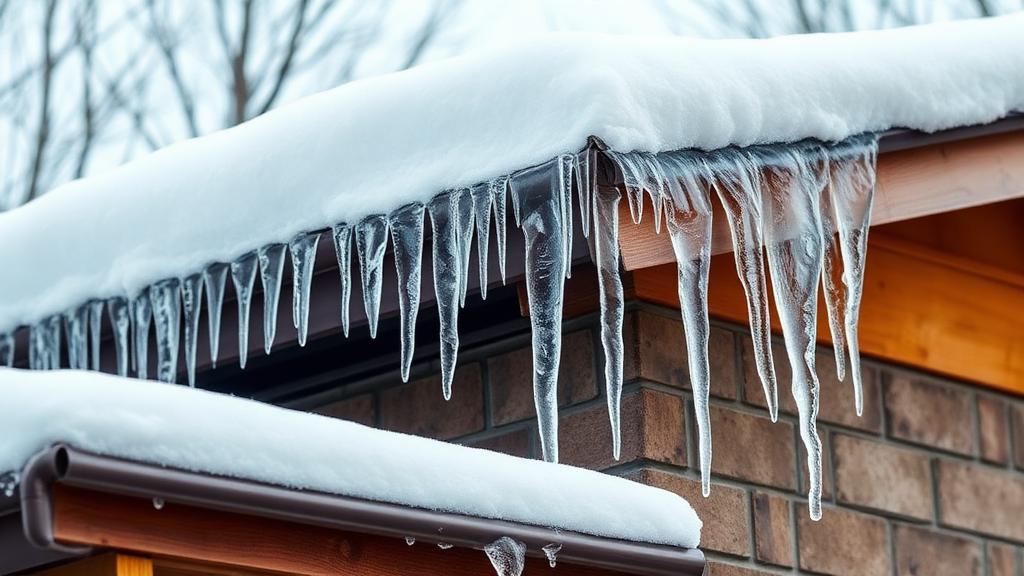
Ice dams cause millions of dollars in damage to Michigan homes each winter. Understanding formation, prevention, and response helps homeowners protect their properties effectively.
How Ice Dams Form
Ice dams result from uneven roof temperatures:
Step 1 - Heat Escape: Warm air from living spaces enters the attic through gaps, poor insulation, or air leaks.
Step 2 - Roof Warming: This heat warms the roof deck from below, creating warm spots above insulation gaps.
Step 3 - Snow Melting: Snow on warm areas melts even when outdoor temperatures are below freezing.
Step 4 - Refreezing: Meltwater runs down to cold eave overhangs and refreezes into ice.
Step 5 - Dam Growth: Ice accumulates into ridges that trap additional meltwater.
Step 6 - Water Intrusion: Pooled water backs up under shingles and enters the home.
Primary Prevention: Insulation
Adequate Depth: Michigan homes need R-49 to R-60 attic insulation. Many older homes have far less.
Even Coverage: Insulation must cover all areas evenly. Thin spots create warm zones that melt snow.
Proper Installation: Insulation should not block ventilation pathways. Maintain airspace above insulation.
Types: Blown cellulose, fiberglass batts, and spray foam all work. Proper installation matters most.
Critical: Air Sealing
Air leaks often matter more than insulation depth:
Common Leak Points: - Recessed light fixtures - Bathroom exhaust fans - Plumbing and electrical penetrations - Attic access hatches - HVAC ductwork - Chimney chases
Sealing Materials: Use appropriate materials for each application - caulk, foam, metal flashing, or specialized products.
Ventilation Balance
Proper ventilation works with insulation:
Intake and Exhaust: Balanced airflow from soffit intakes to ridge or roof vents keeps roof deck cold.
Verify Function: Ensure vents are clear of debris, insulation, or ice. Blocked vents undermine the system.
Adequate Capacity: Standard guideline is 1 square foot of ventilation per 150 square feet of attic floor.
Ice and Water Shield
Membrane provides backup protection:
Installation Location: Apply at eaves, valleys, around penetrations, and any vulnerable areas.
Coverage: Michigan conditions warrant extending protection 24-36 inches past interior wall lines.
Not a Solution: Ice and water shield manages water if ice dams occur. It does not prevent ice dams.
Emergency Response
If ice dams form:
Interior Protection: Place containers to catch dripping water. Protect furnishings.
Create Channels: If safely accessible, creating channels in ice dams allows water drainage.
Avoid Damage: Do not chop ice aggressively. This damages roofing materials.
Professional Steam: For severe dams, professional steam removal is safest and most effective.
Conclusion
Michigan ice dam prevention requires addressing insulation, air sealing, and ventilation as a system. Invest in proper prevention to avoid costly damage.
Need ice dam prevention help? Find Michigan roofing contractors experienced with ice dam solutions.