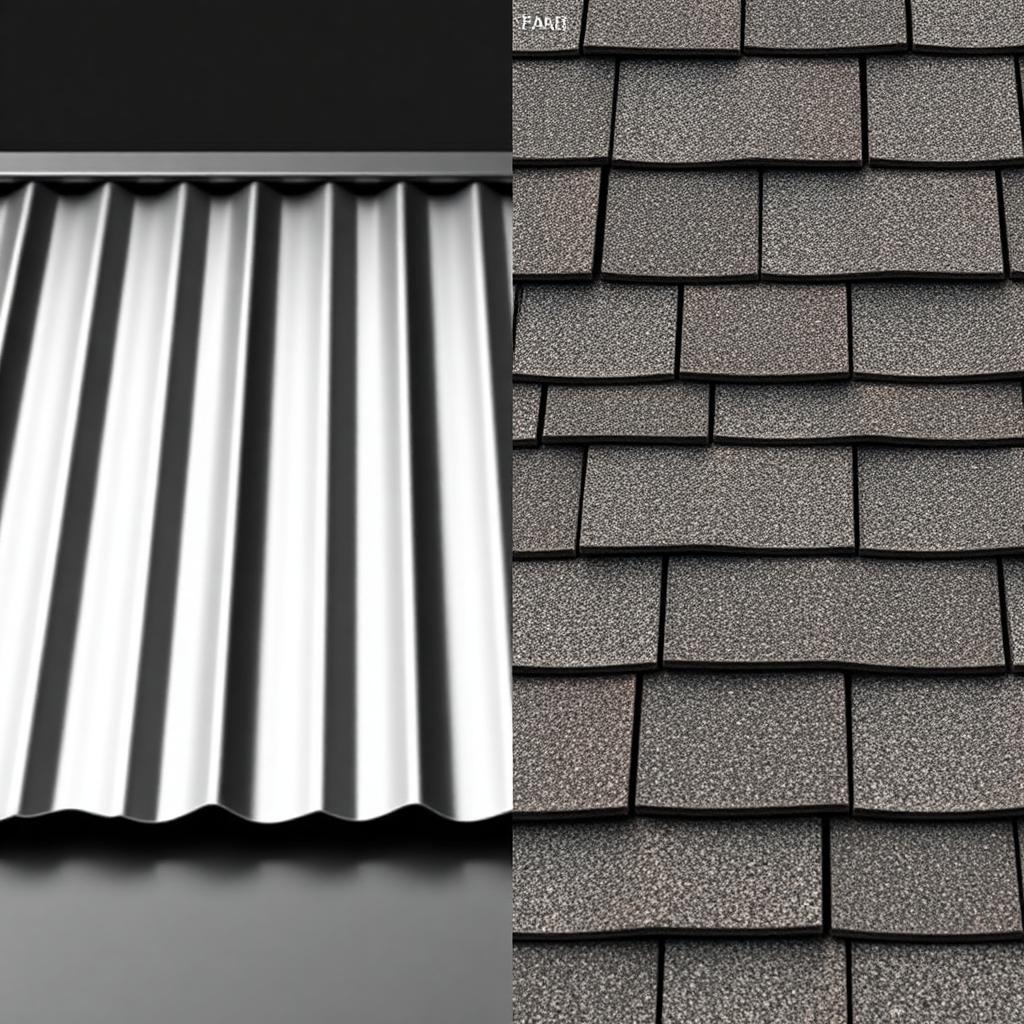
New Hampshire Coastal Roofing: Seacoast Protection Guide
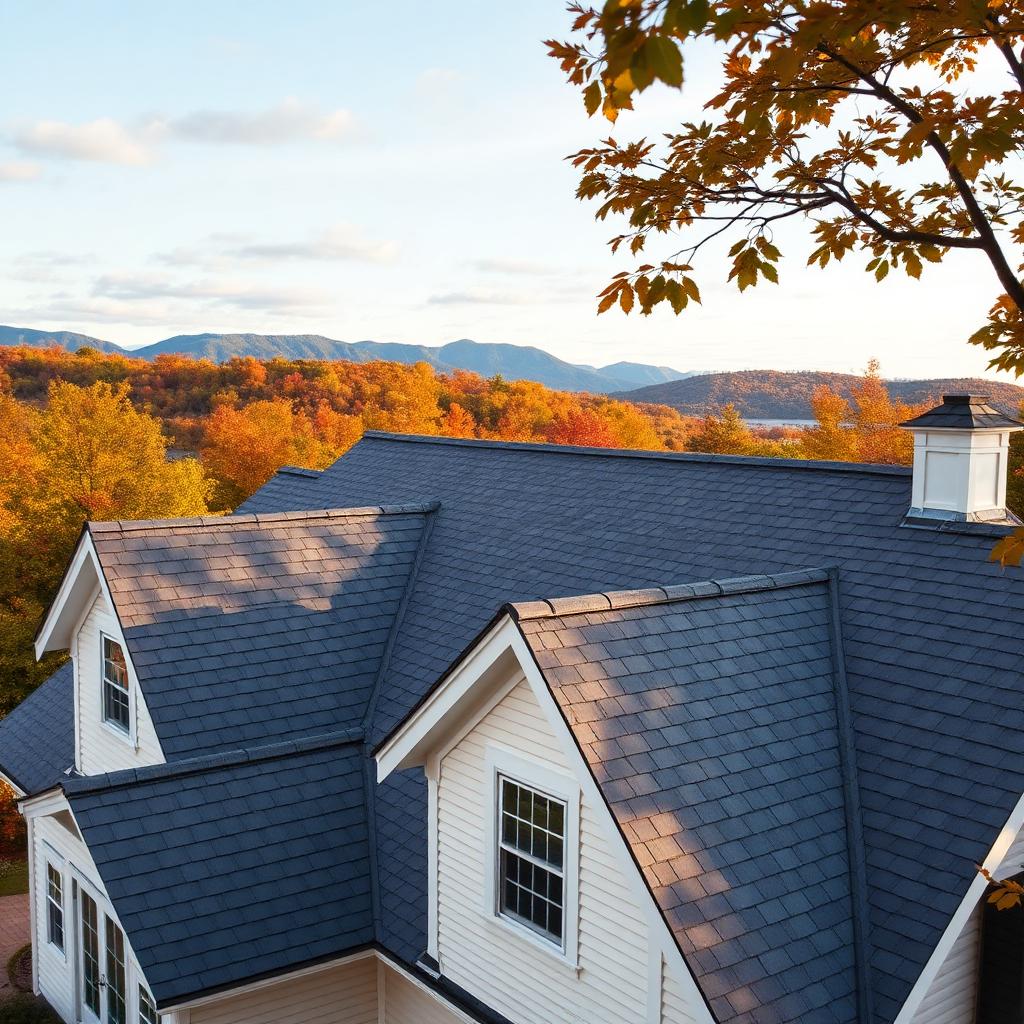
New Hampshire seacoast properties face unique challenges from salt air, wind, and nor'easters. Proper material selection protects coastal investments.
Seacoast Challenges
Salt Air: Accelerates corrosion.
Noreasters: Powerful coastal storms.
Wind Exposure: Sustained high winds.
Humidity: Moisture-related issues.
Material Selection
Corrosion Resistance: Critical for coastal areas.
Wind Ratings: High wind resistance essential.
Salt Tolerance: Marine-grade options.
Durability: Long-term performance.
Recommended Materials
Aluminum: Excellent corrosion resistance.
Stainless Steel Fasteners: Prevent rust.
Marine-Grade Hardware: All components matter.
Composite Options: Salt-resistant products.
Wind Protection
High-Wind Shingles: 130+ mph ratings.
Proper Fastening: Enhanced nailing patterns.
Ridge Details: Secure ridge caps.
Drip Edge: Wind-rated products.
Installation Best Practices
Full System Approach: All components rated.
Proper Underlayment: Enhanced protection.
Flashing Details: Weathertight connections.
Ventilation: Moisture management.
Maintenance Requirements
Regular Inspections: Annual minimum.
Debris Removal: Clear gutters and roof.
Hardware Check: Look for corrosion.
Storm Preparation: Pre-season inspection.
Conclusion
New Hampshire seacoast roofing requires specialized materials and installation. Invest in proper protection for coastal conditions.
Need coastal roofing expertise? Find New Hampshire contractors experienced with seacoast properties.