Energy Efficient Roofing in New Jersey: Reducing Costs Year-Round
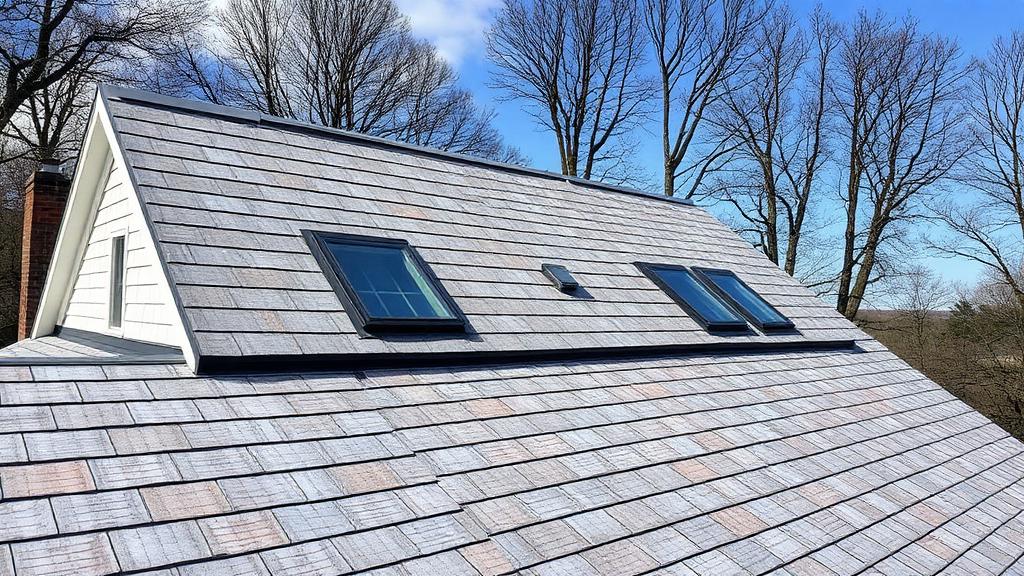
New Jersey four-season climate creates significant heating and cooling demands. Energy-efficient roofing choices can reduce these costs while improving comfort year-round. Understanding efficiency options helps homeowners make smart investments.
Energy Impact of Roofing
Your roof significantly affects energy consumption:
Summer Heat Gain: Dark roofs absorb solar radiation, heating attic spaces to 150+ degrees. This heat transfers to living spaces, increasing cooling loads.
Winter Heat Loss: Inadequate insulation and air sealing allow heat to escape through the roof, increasing heating costs.
Year-Round Impact: In New Jersey four-season climate, both heating and cooling efficiency matter. Balance summer and winter performance.
Cool Roofing Options
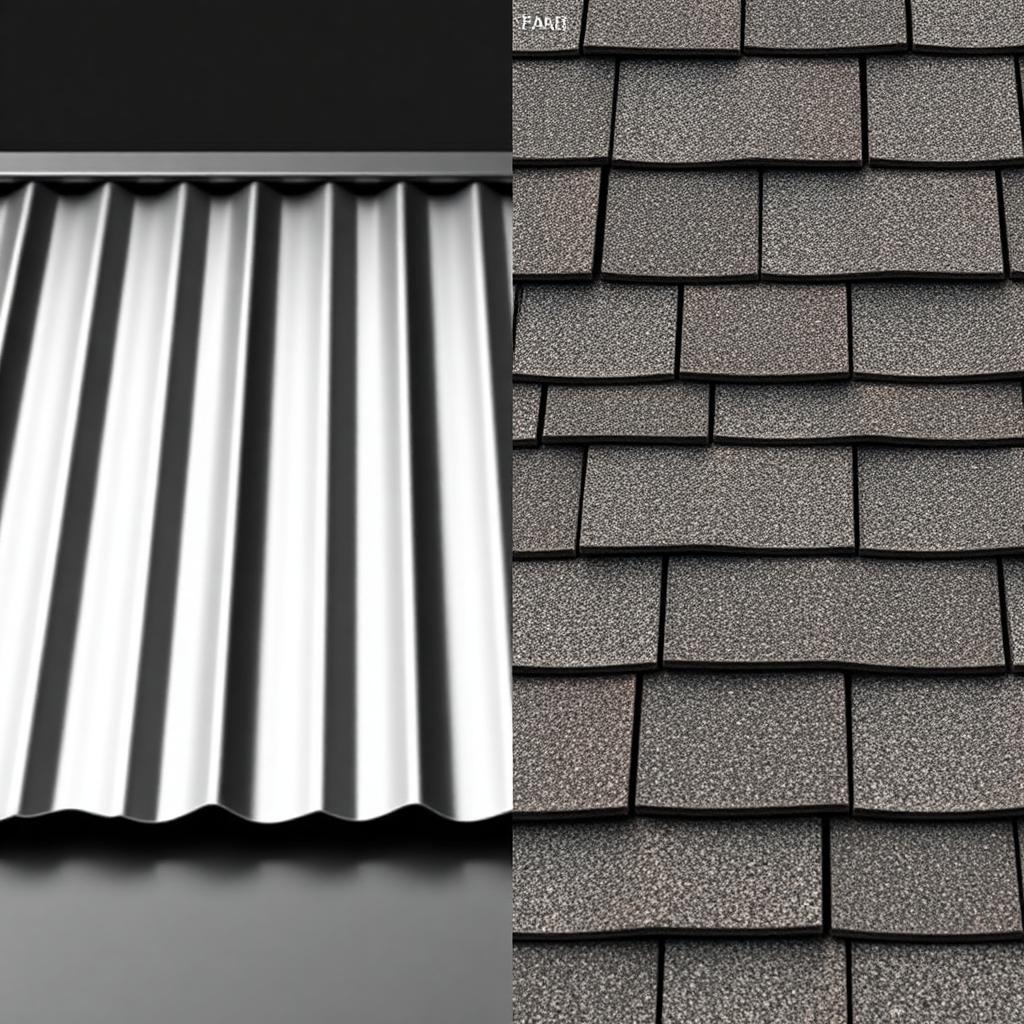
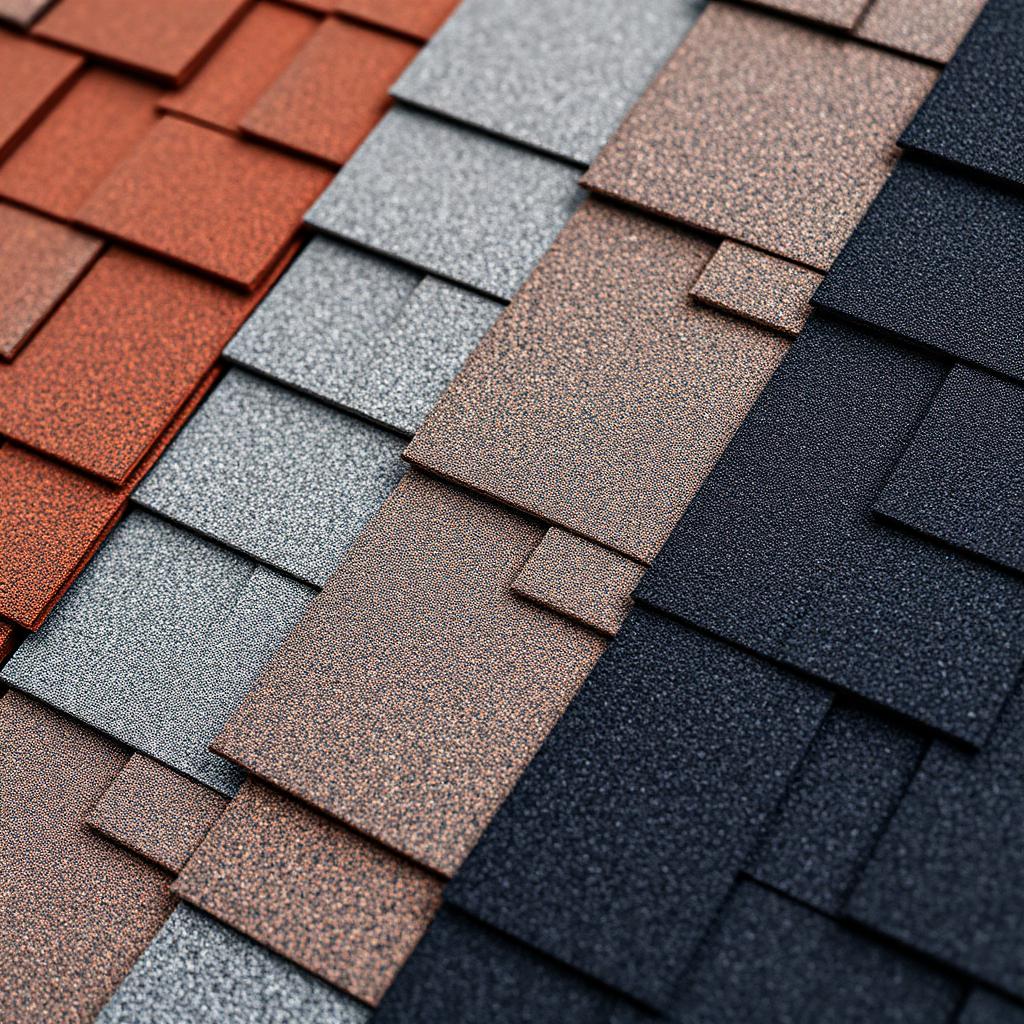
Reflective Shingles: Special granules reflect more solar radiation than standard shingles. Available in various colors, not just white. Meet Energy Star requirements.
Metal Roofing: Naturally reflective, especially in light colors. Specialized coatings further improve performance. Cool metal roofing can reduce attic temperatures by 30+ degrees.
Cool Roof Coatings: Applied to existing roofs to improve reflectivity. Effective on flat and low-slope commercial roofs.
TPO and PVC: Inherently reflective membrane options for flat roofs. Common on commercial and some residential applications.
Insulation Integration
Roofing and insulation work together:
Attic Insulation: During roof replacement is ideal time to improve attic insulation. R-49 to R-60 is recommended for New Jersey.
Air Sealing: Seal gaps around penetrations, attic hatches, and other openings. Air leakage undermines insulation effectiveness.
Radiant Barriers: Reflective barriers in attic spaces reduce summer heat gain. Most effective in cooling-dominated climates but provide some New Jersey benefit.
Ventilation Efficiency
Balanced System: Proper ventilation removes excess heat in summer and moisture year-round. This protects insulation effectiveness.
Powered Options: Solar-powered attic fans can supplement passive ventilation. Most effective in homes with limited passive ventilation capability.
Solar Integration
New Jersey has strong solar incentives:
Net Metering: Credits for excess production offset grid usage. Particularly valuable for time-of-use rate customers.
SRECs: New Jersey Solar Renewable Energy Credits provide additional income from solar production.
Roof Considerations: South-facing slopes produce most effectively. Ensure roof condition can support 25+ year panel lifespan.
Cost-Benefit Analysis
Energy-efficient options often cost more initially:
Calculate Savings: Estimate annual energy savings from efficiency improvements. Compare to incremental cost increase.
Payback Period: Many efficiency improvements pay back within 5-10 years through energy savings.
Incentives: Check for utility rebates, federal tax credits, and state incentives that improve economics.
Conclusion
Energy-efficient roofing provides ongoing savings in New Jersey four-season climate. Balance upfront costs against long-term benefits.
Ready to explore efficient roofing? Find New Jersey roofing contractors experienced with energy-efficient options.