Flat Roof Systems for New York City Buildings
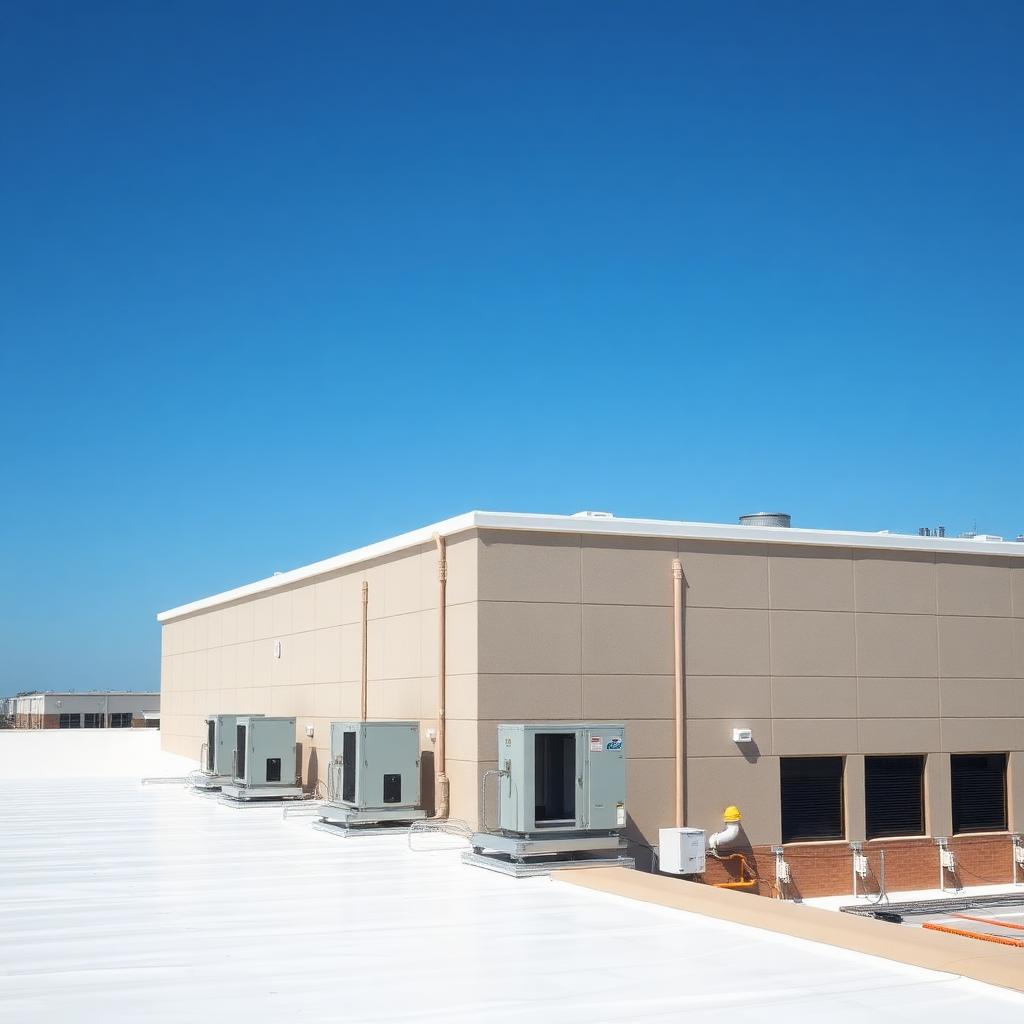
Flat roofs dominate the New York City skyline, from Brooklyn brownstones to Manhattan commercial buildings. Understanding flat roof systems helps NYC property owners make informed decisions about installation, maintenance, and replacement. This guide covers the most common flat roof options for New York City buildings.
Why Flat Roofs in New York City
Flat roofs became the standard for New York City buildings for practical reasons. They maximize interior space in buildings with height restrictions. They provide usable rooftop areas that have become increasingly valuable. They work well with the attached rowhouse and brownstone building types common throughout the city.
However, flat roofs face unique challenges. Water does not drain naturally as it does from sloped roofs. Snow and ice can accumulate, adding weight and creating ponding problems. Urban debris, foot traffic, and rooftop mechanicals all create wear on flat roof surfaces.
TPO Roofing for NYC Buildings
Thermoplastic Polyolefin, or TPO, has become one of the most popular flat roof choices for New York City buildings. TPO is a single-ply membrane that is heat-welded at the seams, creating a seamless, waterproof surface. The white reflective surface helps with energy efficiency by reducing cooling loads, which matters in the urban heat island effect common in NYC.
TPO works well for New York conditions because of its flexibility in cold weather, resistance to ponding water, and ability to accommodate building movement. Installation can be fully adhered, mechanically attached, or ballasted depending on the specific application.
Lifespan typically ranges from 15 to 25 years with proper maintenance.
EPDM Rubber Roofing
Ethylene Propylene Diene Monomer, or EPDM, is a synthetic rubber membrane that has been used on flat roofs for decades. Its long track record provides confidence in durability and performance. EPDM handles temperature extremes well, important given New York City conditions from summer heat to winter cold.
EPDM comes in black or white. Black EPDM provides better cold-weather flexibility but absorbs heat. White EPDM reflects heat but is less common. Seams are typically glued or taped rather than welded, which can be a vulnerability point over time.
EPDM lifespans typically range from 20 to 30 years.
Modified Bitumen Systems
Modified bitumen roofing evolved from traditional built-up roofing to address flat roof challenges. It consists of asphalt modified with rubber or plastic polymers to improve flexibility and durability. Multiple layers create redundancy against leaks.
Modified bitumen works particularly well for New York City conditions because it handles foot traffic better than single-ply membranes. For buildings with frequent rooftop access for maintenance, HVAC service, or tenant use, this durability matters.
Application methods include torch-applied, cold-applied adhesive, or self-adhered. Torch application requires careful fire safety procedures, particularly important in the dense NYC environment.
Built-Up Roofing
Traditional built-up roofing, or BUR, uses multiple layers of felt and asphalt to create a durable roof surface. While less common in new installations, many NYC buildings still have built-up roofs that can be maintained or recovered.
BUR provides excellent waterproofing through redundant layers. It handles foot traffic well. However, installation is labor-intensive, and the hot asphalt process creates odors and fire risks that can be problematic in the NYC environment.
Green Roof Considerations
New York City has encouraged green roof installation through tax incentives and stormwater regulations. Green roofs provide insulation, reduce urban heat island effects, manage stormwater, and create usable outdoor space.
Green roof installation requires appropriate structural capacity, which must be verified before installation. Waterproofing is critical since leaks under planted areas are difficult to diagnose and repair. Proper drainage design prevents soil saturation while managing stormwater.
Maintenance requirements vary based on green roof type, from extensive low-maintenance sedum roofs to intensive rooftop gardens.
NYC Building Code Requirements
New York City has specific requirements for roofing work. Most roofing projects require permits from the Department of Buildings. Commercial buildings must comply with Local Law 11 facade and roof inspection requirements. Energy code requirements affect roof insulation and reflectivity.
Work on landmarked buildings or in historic districts may require Landmarks Preservation Commission approval. Your contractor should understand applicable requirements for your specific building.
Maintenance Requirements
Flat roofs require more active maintenance than sloped roofs. Clear drains regularly to prevent ponding. Inspect after major storms for damage. Address small problems before they become large leaks. Keep foot traffic pathways protected.
Many NYC property owners contract for regular maintenance rather than addressing problems reactively. Preventive maintenance typically costs less than emergency repairs and extends roof life significantly.
Finding NYC Flat Roof Specialists
Not all roofing contractors have experience with flat roof systems. Look for contractors with specific flat roof experience and relevant manufacturer certifications. Ask about experience with buildings similar to yours. Verify insurance coverage is adequate for commercial work if applicable.
Urban logistics require contractors experienced with NYC conditions including limited access, parking challenges, and neighbor coordination.
Conclusion
Flat roof systems serve New York City buildings well when properly selected, installed, and maintained. Understanding the options helps property owners make informed decisions about their buildings. Invest in quality installation and regular maintenance for reliable performance.
Ready to find NYC flat roof specialists? Browse our verified contractor directory featuring professionals in Manhattan, Brooklyn, Queens, and throughout the New York City metropolitan area.