New York Roof Replacement Cost Guide: Regional Pricing Breakdown
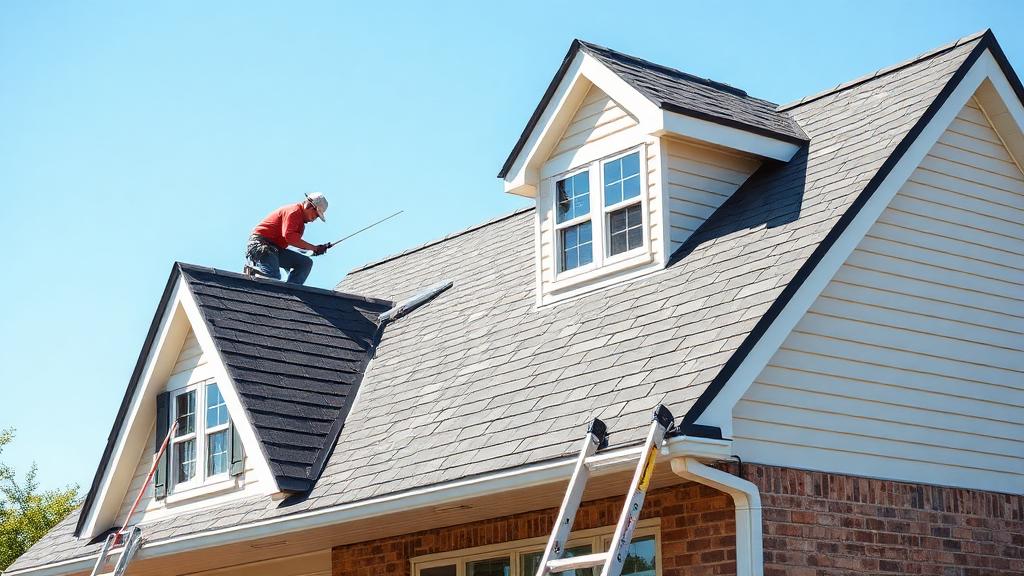
Roof replacement costs in New York vary dramatically based on location, material choices, and local market conditions. A project costing $12,000 in Buffalo might exceed $35,000 for a similar home in Manhattan. This guide provides realistic cost expectations for homeowners throughout New York State.
Regional Cost Variations Explained
Several factors create significant price differences across New York regions. Understanding these factors helps set realistic budget expectations.
New York City Premium
Manhattan and outer borough roofing carries the highest costs in the state. Limited contractor access, parking restrictions, and material delivery challenges add expense. Union labor requirements on larger projects increase labor costs. Permit fees and inspection requirements add administrative overhead.
NYC single-family home roof replacement typically ranges from $25,000 to $50,000 for standard materials. Brownstone and townhouse roofs in Brooklyn, Queens, and the Bronx generally run $18,000 to $40,000 depending on accessibility and materials. Staten Island offers somewhat lower costs due to better accessibility, typically $15,000 to $35,000.
Long Island Pricing
Nassau and Suffolk County fall between NYC and upstate pricing. Established contractor competition and easier logistics than NYC moderate costs. Strong housing values support premium material choices.
Typical Long Island single-family roof replacement ranges from $12,000 to $28,000 for asphalt shingles. Premium materials like slate or metal push costs to $30,000 to $60,000 depending on roof size and complexity.
Hudson Valley and Westchester
Westchester County pricing approaches NYC levels in communities like Scarsdale and Bronxville. Northern Westchester and the Hudson Valley offer more moderate pricing. Contractor availability from both NYC and upstate markets creates competitive bidding.
Expect $10,000 to $25,000 for standard asphalt roofing in most Hudson Valley communities. Westchester premium communities may see $15,000 to $35,000 for comparable projects.
Upstate New York Markets
Buffalo, Rochester, Syracuse, and Albany offer the most competitive roofing pricing in the state. Lower labor costs, easier accessibility, and less intense permitting reduce project costs. Harsh winters do create some material and scheduling premiums.
Typical upstate single-family roof replacement runs $8,000 to $18,000 for asphalt shingles. Metal roofing, popular for snow shedding, ranges from $15,000 to $30,000. Slate replacement projects start around $25,000 and can exceed $50,000 for large or complex roofs.
Material Cost Comparisons
Material selection significantly impacts total project cost. Understanding material pricing helps balance budget against longevity and performance.
Asphalt Shingles
Asphalt remains the most economical choice throughout New York. Three-tab shingles offer the lowest cost at $350-$500 per square installed statewide. Architectural shingles provide better wind resistance and aesthetics at $400-$650 per square. Premium designer shingles approach $600-$900 per square but offer distinctive appearance.
New York weather demands minimum 130 mph wind rating shingles in coastal areas. Impact-resistant options add cost but may reduce insurance premiums in hail-prone upstate regions.
Metal Roofing
Metal roofing has gained popularity across New York for durability and snow shedding. Standing seam steel runs $800-$1,400 per square installed. Aluminum costs $900-$1,600 per square. Copper, traditional for historic buildings, ranges from $1,800-$3,000 per square.
Metal roofing installation requires specialized skills that not all contractors possess. Verify metal roofing experience specifically, as poor installation causes most metal roof problems.
Slate and Tile
Natural slate, common on historic New York homes, represents the premium category. New slate installation runs $1,500-$3,000 per square depending on slate origin and thickness. Synthetic slate alternatives range from $700-$1,200 per square. Clay and concrete tile run $1,000-$2,000 per square.
Slate repair and partial replacement costs less than full replacement. Many slate roofs only need targeted repairs rather than complete replacement. Get multiple opinions before committing to full slate roof replacement.
Flat Roofing Systems
Flat roofs common on NYC buildings use membrane systems with different cost profiles. TPO membrane runs $600-$900 per square installed. EPDM rubber roofing costs $550-$800 per square. Modified bitumen systems range from $500-$750 per square. PVC membrane, offering chemical resistance, costs $700-$1,100 per square.
Flat roof costs depend heavily on deck condition underneath. Rotted or damaged decking adds $3-$8 per square foot for replacement.
Labor Cost Factors
Labor represents 40-60% of most roofing projects. Understanding labor cost drivers helps evaluate quotes accurately.
Accessibility Challenges
Steep roofs require additional safety equipment and slower work pace. Multi-story buildings without easy roof access add material handling costs. NYC buildings often require crane or hoist rental for material delivery. Narrow lot lines limiting staging area increase project duration.
Removal and Disposal
Most New York jurisdictions allow maximum two roof layers. Tear-off of existing roofing adds $100-$200 per square. Disposal fees vary by municipality, with NYC and Long Island charging premium tipping fees. Asbestos-containing materials require licensed abatement adding $5,000-$15,000 to projects.
Seasonal Considerations
New York roofing season runs April through November for most materials. Winter work costs 10-25% more due to weather delays and material limitations. Emergency repairs during winter carry premium pricing. Plan projects for spring or fall for best pricing and conditions.
Getting Accurate Estimates
Obtaining reliable cost estimates requires systematic approach. Following best practices ensures comparable quotes and informed decisions.
What Estimates Should Include
Complete estimates specify material brands and quantities. Labor costs should be itemized separately from materials. Disposal and permit fees should be clearly listed. Warranty information for both materials and labor should be included. Payment schedule and completion timeline should be defined.
Red Flags to Watch
Estimates significantly below competitors often indicate cut corners. Verbal-only quotes without written documentation create disputes. Large upfront deposits before material delivery risk abandonment. Pressure to sign immediately suggests contractor concerns about competition.
Verification Steps
Verify contractor licensing for your municipality. Confirm insurance coverage directly with insurance companies. Check references from recent similar projects. Review online ratings from multiple platforms. Verify physical business address and permanence.
Financing Options
Roof replacement represents a significant investment with various financing approaches. Understanding options helps manage cash flow while maintaining your home.
Home Equity Financing
Home equity loans and lines of credit offer competitive rates for established homeowners. Interest may be tax-deductible for home improvements. Longer terms reduce monthly payments but increase total interest cost. Strong equity positions secure the best rates.
Contractor Financing
Many roofing contractors offer financing through lending partners. Convenience comes with potentially higher rates than bank financing. Zero-interest promotional periods may apply to qualifying buyers. Read terms carefully and compare to independent financing options.
Energy Efficiency Incentives
NYSERDA offers incentives for energy-efficient roofing in some programs. Cool roof options may qualify for utility rebates. Solar-ready roofing may combine with solar incentives for enhanced savings. Check current programs before finalizing material selections.
Conclusion
New York roof replacement costs reflect the states diverse geography, housing stock, and market conditions. Budget appropriately for your region and invest in quality materials and installation. The right contractor relationship ensures your roofing investment provides decades of reliable protection.
Ready to get quotes from verified New York contractors? Browse our state directory to find qualified professionals in your area.