Complete Guide to Roofing Costs: What Every Homeowner Should Know Before Getting Quotes
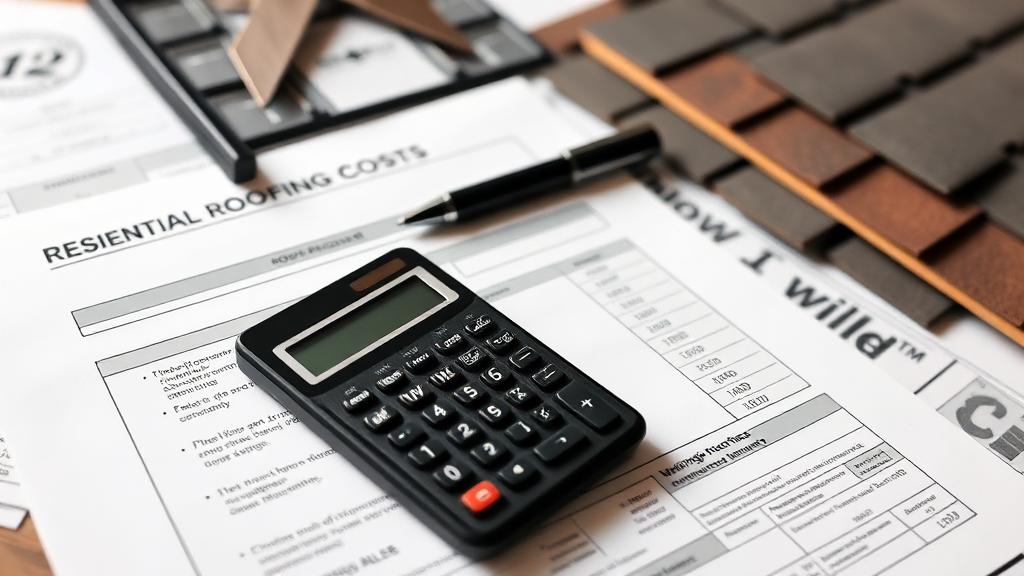
Understanding roofing costs is essential for every homeowner planning a roof project. Whether you're facing emergency repairs or planning a complete replacement, knowing what drives costs helps you budget effectively and recognize fair pricing. This comprehensive guide breaks down every factor that affects roofing costs, helping you make informed decisions and avoid unexpected expenses.
The Anatomy of Roofing Costs
Roofing projects involve multiple cost components that combine to create your final price. Understanding each element helps you evaluate quotes intelligently and identify where you might save money without sacrificing quality.
Primary Cost Components:
| Cost Category | Percentage of Total |
|---|---|
| Materials | 35-45% |
| Labor | 40-50% |
| Overhead & Profit | 10-20% |
| Permits & Disposal | 5-10% |
These percentages vary based on your location, chosen materials, and project complexity. Higher-end materials shift more cost toward materials, while complex installations increase the labor portion. Understanding this breakdown helps you evaluate whether quotes are reasonable and where contractors might be cutting corners.
Material Costs: Your First Major Decision
The roofing material you choose has the biggest impact on your overall budget. Material costs vary dramatically based on type, quality grade, and manufacturer.
Asphalt Shingles (Most Popular):: - 3-tab shingles: $90-$120 per square (100 sq ft) - Architectural shingles: $100-$180 per square - Premium designer shingles: $180-$400 per square
Asphalt shingles dominate the residential market because they offer reasonable durability at accessible price points. However, the quality differences between budget and premium options significantly impact longevity. A $100 per square architectural shingle might last 25 years, while a $180 option from a premium manufacturer could last 35+ years.
Metal Roofing Options:: - Corrugated metal panels: $150-$250 per square - Standing seam steel: $350-$600 per square - Standing seam aluminum: $450-$700 per square - Copper roofing: $800-$1,500 per square
Metal roofing costs more upfront but delivers superior longevity. When calculating true cost, divide total investment by expected lifespan to compare annual costs between materials. A metal roof costing $25,000 that lasts 50 years costs $500 per year, while a shingle roof at $12,000 lasting 20 years costs $600 annually.
Tile and Premium Materials:: - Concrete tiles: $300-$500 per square - Clay tiles: $500-$800 per square - Natural slate: $800-$1,800 per square - Synthetic slate: $400-$700 per square
Premium materials like clay tile or natural slate require specialized installation and often structural reinforcement due to weight. Factor these additional requirements into your budget when considering premium options.
Labor Costs: Skill and Complexity Matters
Labor typically represents 40-50% of roofing costs, and rightfully so. Roofing is physically demanding, requires specialized skills, and involves significant safety risks. Several factors influence labor costs:
Roof Pitch and Accessibility:: - Low slope (0-3/12): Standard labor rates - Moderate slope (4-6/12): 10-15% premium - Steep slope (7-9/12): 20-35% premium - Extreme slope (10/12+): 40-60% premium
Steeper roofs require additional safety equipment, slow work pace, and increase risk. Contractors legitimately charge more for these installations. Similarly, roofs with limited access for materials and debris removal cost more to work on.
Complexity Factors:: - Multiple roof levels: 15-25% premium - Many valleys and hips: 10-20% premium - Numerous penetrations (skylights, vents, chimneys): 10-20% premium - Dormers and architectural features: 15-30% premium
Complex roofs require more time, more cutting, more flashing work, and more expertise. A 2,000 square foot ranch home with simple gable roofing costs significantly less than a 2,000 square foot Victorian with dormers, turrets, and multiple levels.
Geographic Wage Variations:: Labor costs vary significantly by location. Urban areas with high costs of living charge 20-40% more than rural regions. Areas with strong contractor demand during busy seasons may see temporary rate increases.
Hidden and Often Overlooked Costs
Many homeowners focus only on advertised prices without accounting for additional expenses that almost always arise.
Decking Repairs:: Once old roofing is removed, contractors often discover damaged decking. Rotted plywood must be replaced before new roofing goes on. Budget $50-$100 per sheet for replacement, and expect 5-15% of decking to need attention on roofs over 20 years old.
Removal and Disposal:: Removing old roofing materials involves significant labor and disposal fees. Most contractors include this in quotes, but verify. Disposal costs range from $100-$200 per ton, and an average roof removal produces 2-4 tons of debris.
Permit Fees:: Most jurisdictions require permits for roofing work. Fees typically range from $100-$500 depending on your location and project scope. Some areas also require inspections that may add scheduling delays.
Ventilation Upgrades:: Proper attic ventilation is essential for roof longevity. If your current ventilation is inadequate, contractors may recommend upgrades. Adding ridge vents and soffit vents typically costs $400-$800.
Flashing Replacement:: Roof flashing around chimneys, skylights, and walls should be replaced during re-roofing. Quality flashing work prevents the most common leak sources. Budget $200-$500 for chimney flashing, $150-$300 per skylight.
Understanding Roofing Quotes
Getting multiple quotes is essential, but comparing them requires understanding what's included and excluded.
What Quality Quotes Should Include:: - Detailed material specifications (brand, product line, color) - Labor itemization - Tear-off and disposal - All flashing and accessories - Warranty information (workmanship and materials) - Timeline and payment schedule - Permit responsibility - Cleanup expectations
Red Flags in Quotes:: - Vague material descriptions ("dimensional shingles" without brand/model) - No mention of underlayment or ice/water shield - Missing permit information - Cash-only payment requirements - Significantly below-market pricing - Pressure to sign immediately
When quotes vary significantly, the lowest isn't always the best value. Cheap quotes often mean cheap materials, shortcuts in installation, or missing items that become change orders later.
Regional Cost Variations
Roofing costs vary dramatically across the United States based on multiple factors.
High-Cost Regions:: - Northeast metropolitan areas: 20-35% above national average - California coastal cities: 25-40% above average - Mountain resort communities: 15-30% above average
Moderate-Cost Regions:: - Midwest suburban areas: Near national average - Southeast non-coastal: 5-10% below average - Texas metropolitan: 5-15% above average
Low-Cost Regions:: - Rural Midwest: 10-20% below average - Rural Southeast: 15-25% below average - Smaller Southwest cities: 5-15% below average
These variations reflect labor costs, material shipping distances, building code requirements, and local market conditions. Find local contractors to get accurate pricing for your specific area.
Seasonal Pricing Considerations
Roofing costs fluctuate based on seasonal demand and weather conditions.
Peak Season (Late Spring - Early Fall):: - Highest demand means highest prices - Longer wait times for scheduling - Best weather conditions for installation - Premium for emergency scheduling
Off-Season (Late Fall - Early Spring):: - Lower demand may bring lower prices - Faster scheduling availability - Weather delays more likely - Some contractors offer seasonal discounts
If your project isn't urgent, scheduling during shoulder seasons (early spring or late fall) may save 10-15% while still getting good installation conditions.
Financing Options and Payment Strategies
Major roofing projects require significant capital. Understanding financing options helps you manage costs effectively.
Payment Options:: - Cash payment: Sometimes brings 2-5% discounts - Contractor financing: Convenient but compare rates carefully - Home equity loans: Often lower rates than personal loans - Credit cards: Useful for smaller repairs, watch interest rates - Insurance claims: For storm damage, understand your policy
Typical Payment Schedules:: Reputable contractors rarely require more than 10-30% upfront. Common structures include: - 30% at contract signing - 40% when materials arrive - 30% at completion
Avoid contractors demanding full payment upfront. This creates significant risk if problems arise.
How to Save Money Without Sacrificing Quality
Strategic decisions can reduce costs while maintaining quality results.
Timing Strategies:: - Schedule during off-peak seasons - Plan ahead to avoid emergency premiums - Coordinate with neighbors for multi-project discounts
Material Strategies:: - Choose mid-tier rather than premium materials - Ask about discontinued colors or overstock - Consider 30-year shingles vs. 50-year if budget is tight
Scope Strategies:: - Address only damaged sections for repairs - Handle gutter cleaning and debris removal yourself - Get multiple quotes to ensure competitive pricing
What NOT to Cut:: - Underlayment quality - Flashing materials and installation - Proper ventilation - Experienced, licensed contractors - Necessary permits
Cutting costs in critical areas creates expensive problems later. Water damage from cheap flashing or failed underlayment far exceeds any initial savings.
Long-Term Cost Considerations
Smart roofing decisions consider total ownership costs, not just installation price.
Lifecycle Cost Analysis:: Compare options by calculating cost per year of expected life: - $15,000 roof lasting 25 years = $600/year - $25,000 roof lasting 50 years = $500/year - $8,000 roof lasting 15 years = $533/year
Factor in: - Maintenance costs over time - Energy efficiency impacts - Insurance premium effects - Home value impact
Maintenance Requirements:: - Asphalt shingles: Annual inspection, occasional repairs - Metal roofing: Minimal maintenance, occasional fastener checks - Tile: Broken tile replacement, valley maintenance - Slate: Minimal maintenance, individual slate replacement
Materials requiring less maintenance often justify higher upfront costs through reduced lifetime expenses.
Getting Accurate Quotes
To receive accurate, comparable quotes, provide contractors with consistent information.
Prepare for Quotes By:: - Knowing your roof's approximate square footage - Having photos of problem areas - Identifying your preferred materials (or asking for options) - Noting any known issues (leaks, deck damage) - Having your budget range in mind
Questions to Ask:: - What's included in this price? - What might add to this cost? - What warranties do you offer? - Can I see proof of insurance and licensing? - Do you pull permits or should I? - What's the timeline? - Who supervises the crew?
Document everything and get all promises in writing. Verbal agreements are difficult to enforce.
Conclusion
Understanding roofing costs empowers you to make informed decisions and avoid overpaying. Remember that the lowest price isn't always the best value—quality installation by experienced professionals protects your home for decades. Take time to understand quotes, ask questions, and verify contractor credentials before committing to your roofing project.
Ready to start gathering quotes? Find trusted local roofing contractors in your area to get accurate pricing for your specific situation.