North Carolina Residential Roofing Guide: Materials for Diverse Climate
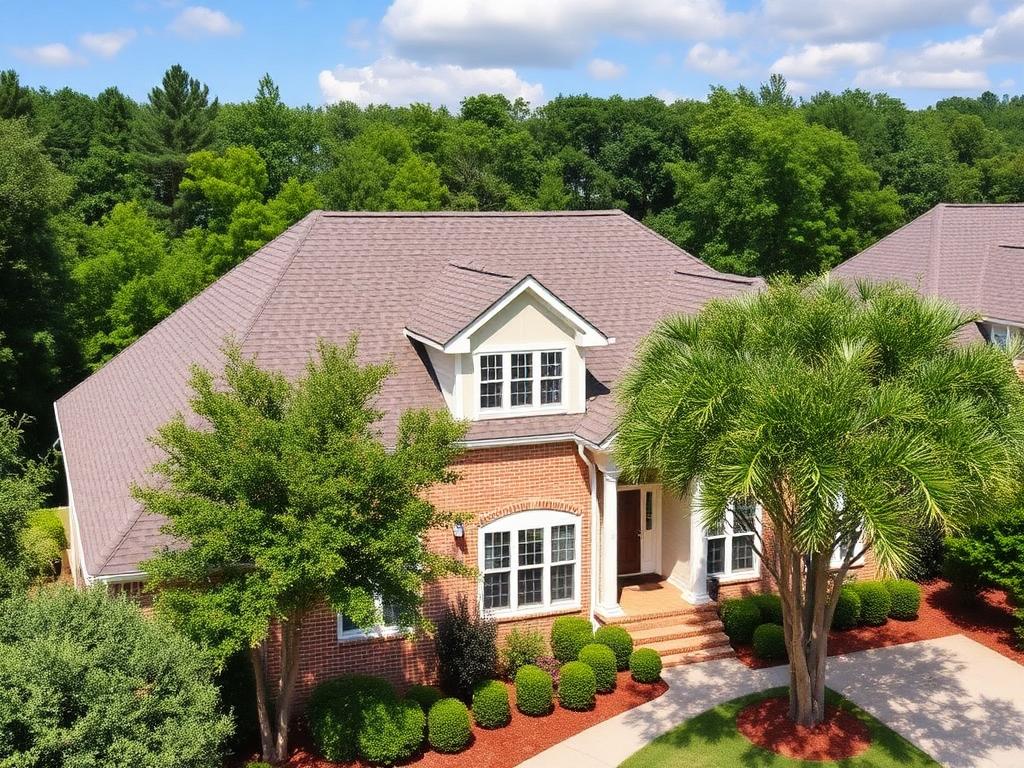
North Carolina roofing must address diverse climate conditions across the states three distinct regions. From coastal Outer Banks to mountain Asheville, North Carolina homes require materials suited to local challenges. This guide explores roofing options for Tar Heel State conditions.
Understanding North Carolina Climate Zones
North Carolina encompasses three climate regions with different roofing requirements:
Coastal Plain: The eastern third of the state experiences high humidity, hurricane exposure, and salt air. Roofing must resist wind uplift, moisture, and salt corrosion.
Piedmont: Central North Carolina, including Charlotte and Raleigh, experiences hot summers, occasional ice storms, and moderate humidity. Materials must handle temperature swings and moisture.
Mountains: Western North Carolina experiences cooler temperatures, significant snow, and ice. Mountain roofing requirements parallel those of northern states.
Best Materials by Region
Coastal Areas: Metal roofing excels in coastal conditions with superior wind resistance and salt corrosion protection. Impact-resistant shingles with high wind ratings provide alternatives. Tile roofing handles coastal conditions well where weight is acceptable.
Piedmont: Architectural shingles with algae resistance suit piedmont conditions. Metal roofing provides durability and energy efficiency. Both handle the moderate climate effectively.
Mountains: Metal roofing sheds snow and handles freeze-thaw cycles. Architectural shingles perform well with proper installation. Synthetic slate provides mountain aesthetics with improved performance.
Wind Resistance Requirements
North Carolina building codes specify wind resistance requirements based on location. Coastal areas require materials rated for higher wind speeds than inland locations. Proper installation techniques are as important as material ratings.
Enhanced fastening patterns improve wind resistance for all materials. Hip roofs resist wind better than gable configurations. Sealed roof decking provides additional protection.
Humidity Management
North Carolina humidity promotes moss, algae, and moisture-related problems. Choose algae-resistant shingles for humid areas. Proper ventilation removes moisture from attic spaces, extending roof life and preventing mold.
Regular maintenance including gutter cleaning and debris removal helps manage humidity effects. Professional cleaning addresses algae and moss growth before it damages roofing.
Working with NC Contractors
North Carolina licenses contractors through the NC Licensing Board for General Contractors. Roofing contractors must hold appropriate classifications. Verify license status before hiring and confirm insurance coverage.
Conclusion
North Carolina diverse climate requires region-specific material selection. Proper materials and installation provide lasting protection for homes across the state.
Ready to find qualified NC contractors? Browse verified North Carolina roofers experienced with local conditions.