Solar Roofing in Raleigh NC: Complete 2026 Guide to Solar Panels and Roof Integration
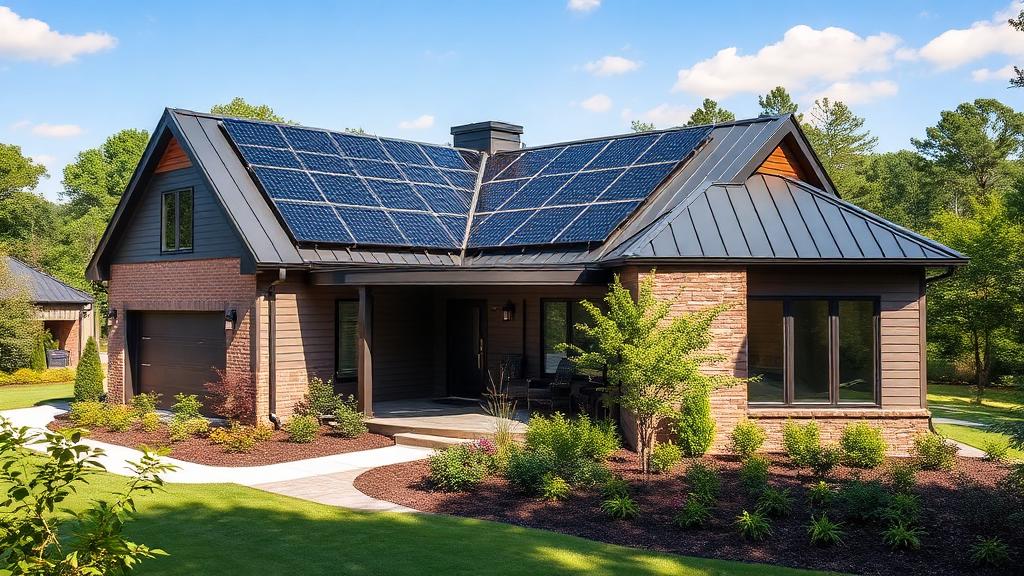
Solar Roofing in Raleigh: The Complete 2026 Integration Guide
Raleigh's abundant sunshine (an average of 213 sunny days per year) and favorable state incentives make it one of the best markets in the Southeast for solar roofing. In 2026, the convergence of declining solar costs, enhanced tax credits, and improved roof-integrated solar technology makes this the optimal time for Raleigh homeowners to explore solar roofing options.
Solar Options for Raleigh Homeowners
Traditional Solar Panels (Rack-Mounted)
The most common and cost-effective solar option:
- Cost: $2.50-$3.50 per watt installed (before incentives)
- Typical system size: 8-12 kW for Raleigh homes
- Total cost before incentives: $20,000-$42,000
- After federal tax credit (30%): $14,000-$29,400
- After NC state credits: $12,000-$26,000
Solar Shingles (Building-Integrated)
Aesthetically integrated solar that replaces conventional roofing:
- Cost: $4.00-$6.50 per watt installed
- Total cost before incentives: $32,000-$78,000
- After federal tax credit (30%): $22,400-$54,600
- Best for: New construction or homes needing simultaneous roof replacement
When to Choose Solar Shingles vs Panels
Choose solar panels if: Your existing roof is in good condition (less than 10 years old), you want maximum energy production per dollar, or HOA restrictions allow rack-mounted panels.
Choose solar shingles if: You need a new roof anyway, aesthetics are a top priority, your HOA restricts traditional panels, or your roof has complex geometry that limits panel placement.
Roof Assessment Before Solar Installation
Critical Factors
Before installing solar in Raleigh, your roof must be evaluated for:
- Age and condition: If your roof is more than 15 years old, replace it before installing solar to avoid costly removal and reinstallation
- Structural capacity: Solar panels add 3-5 lbs per square foot; most Raleigh homes can accommodate this
- Orientation: South-facing roofs produce maximum energy; southeast and southwest orientations lose only 5-10% efficiency
- Shading: Trees, neighboring buildings, and chimneys can significantly reduce solar production
- Pitch: Optimal roof pitch for Raleigh's latitude (35.7°N) is approximately 30-35 degrees
Energy Production and Savings
Expected Production in Raleigh
A typical 10 kW solar system in Raleigh produces approximately: - Annual production: 13,000-15,000 kWh - Average Raleigh home consumption: 12,000-14,000 kWh/year - Offset percentage: 90-110% of electricity needs
Financial Returns
- Monthly electric bill savings: $120-$200
- Annual savings: $1,440-$2,400
- Simple payback period: 7-10 years
- 25-year savings: $36,000-$60,000+
- Home value increase: 3-4% ($8,000-$15,000 for median Raleigh home)
Tax Credits and Incentives
Federal Solar Investment Tax Credit (ITC)
In 2026, the federal ITC provides a 30% tax credit on the total cost of solar installation, including equipment, labor, and permitting. This credit is applied directly against your federal tax liability.
North Carolina Incentives
- NC state tax credit: Up to 25% of costs (max $10,500 for residential) — verify current availability
- Duke Energy rebates: Net metering programs crediting solar production at retail rates
- Property tax exemption: Solar equipment is exempt from NC property tax increases
- Sales tax exemption: Solar equipment purchases are exempt from NC state sales tax
Choosing Solar-Compatible Roofing Materials
If replacing your roof in conjunction with solar installation:
Best Options
- Standing seam metal: Best solar compatibility—panels mount to seams without roof penetrations
- Composite/architectural shingles: Standard mounting works well; choose 30+ year rated products
- Synthetic slate/shake: Compatible with standard mounting systems
Options to Avoid
- Wood shake: Fire risk with solar equipment and difficult mounting
- Clay/concrete tile: Requires specialized mounting brackets and can be fragile during installation
Finding Qualified Solar Roofers in Raleigh
The best solar installation results come from contractors who understand both roofing and solar:
- NABCEP certification: North American Board of Certified Energy Practitioners
- NC electrical contractor license: Required for solar electrical work
- General contractor license: Required for roof modification work
- Manufacturer certifications: Tesla (for Solar Roof), SunPower, or similar
- Local references: At least 20 completed Raleigh-area solar installations
Conclusion
Solar roofing in Raleigh represents one of the best renewable energy investments available to homeowners in 2026. With generous federal and state incentives, abundant sunshine, and declining equipment costs, the financial case has never been stronger.
Use RoofingPros to find verified solar roofing contractors in Raleigh who combine roofing expertise with solar installation certification.