Ohio Residential Roofing Guide: Materials and Contractors for Buckeye State Homes
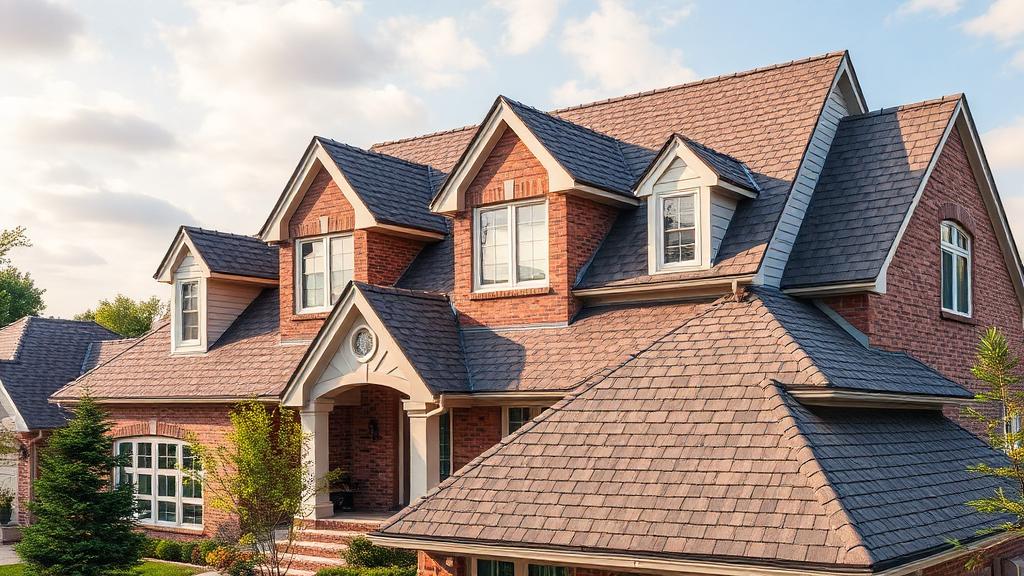
Ohio homeowners face diverse weather challenges from Lake Erie snow belts to tornado-prone southwestern regions. Understanding Ohio-specific roofing considerations helps you make informed decisions about materials, contractors, and maintenance.
Ohio Climate Challenges
Lake Effect Snow: Northern Ohio, particularly the Cleveland area and snow belt regions, receives significant lake effect snowfall. Some areas average 100+ inches annually, creating substantial roof loads.
Severe Weather: Ohio experiences severe thunderstorms, hail, and occasional tornadoes, especially in spring and summer months. Impact-resistant materials provide valuable protection.
Temperature Extremes: Ohio winters bring subzero temperatures while summers reach 90+ degrees. This 100+ degree annual temperature swing stresses roofing materials.
Freeze-Thaw Cycles: Repeated freezing and thawing throughout winter causes expansion and contraction that can damage improperly installed roofing.
Popular Roofing Materials in Ohio
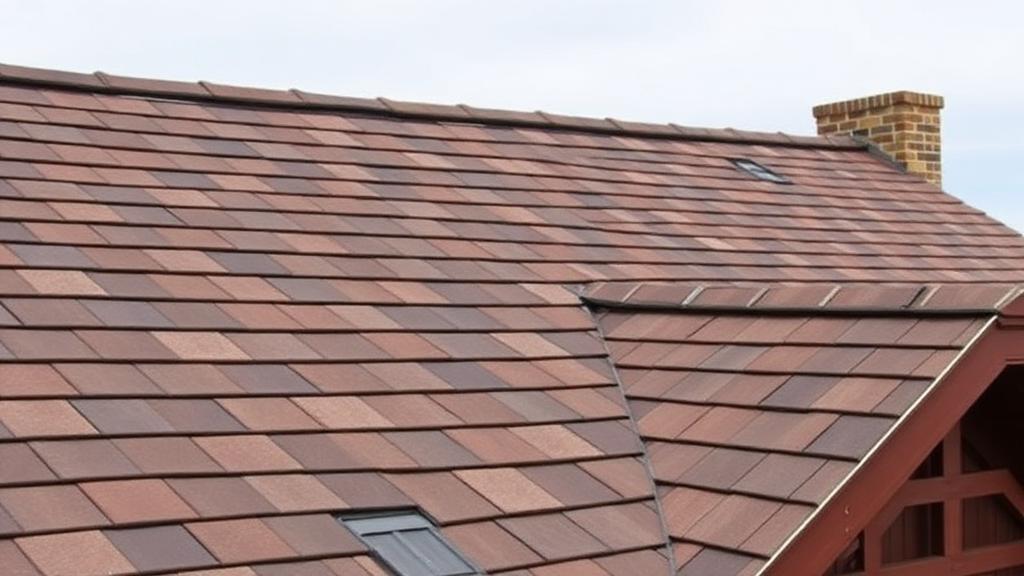
Asphalt Shingles: The dominant choice for Ohio homes, offering good value and performance in Midwest conditions. Architectural shingles provide enhanced durability and wind resistance.
Metal Roofing: Growing in popularity for snow shedding capability and longevity. Standing seam metal performs excellently in snow belt regions.
Impact-Resistant Shingles: Class 4 impact-resistant shingles protect against hail damage common in Ohio storms. Many insurers offer premium discounts.
Slate and Tile: Historic Ohio homes often feature slate roofing. Concrete tile offers similar aesthetics with lower cost for new installations.
Regional Considerations
Snow Belt Areas: Homes in Geauga, Lake, and Ashtabula counties need roofs designed for heavy snow loads. Enhanced structural support and ice dam prevention are priorities.
Urban Centers: Columbus, Cleveland, and Cincinnati metro areas have established contractor networks and competitive pricing.
Rural Properties: Contractors may travel farther, potentially affecting pricing. Verify emergency service availability.
Choosing Ohio Roofing Contractors
Ohio does not require statewide contractor licensing for roofing, making due diligence important:
Verify Insurance: Confirm general liability and workers compensation coverage. Request certificates directly from insurers.
Check Local Requirements: Some Ohio cities require local registration or permits. Verify compliance with local regulations.
Experience Matters: Choose contractors with documented experience in Ohio conditions, particularly for snow belt or historic properties.
References and Reviews: Request references from recent projects similar to yours. Check online reviews across multiple platforms.
Seasonal Timing
Spring Rush: Contractors are busiest following winter damage and before severe weather season. Book early for spring installations.
Fall Ideal: September through November offers excellent installation conditions before winter weather arrives.
Winter Cautions: While emergency repairs continue year-round, full replacements in deep winter present challenges, particularly in snow belt areas.
Cost Expectations
Ohio roofing costs typically fall slightly below national averages:
- Asphalt Shingles: $4.50-$7.50 per square foot installed
- Metal Roofing: $8.00-$14.00 per square foot installed
- Impact-Resistant Shingles: $5.50-$8.50 per square foot installed
Prices vary by location, complexity, and current material costs.
Conclusion
Ohio diverse climate requires roofing solutions that handle snow loads, temperature extremes, and severe weather. Choose appropriate materials and verified contractors for best results.
Ready to find trusted Ohio roofers? Browse Ohio roofing contractors in your area.