
Oregon Rain and Roof Drainage: Managing Heavy Pacific Northwest Precipitation
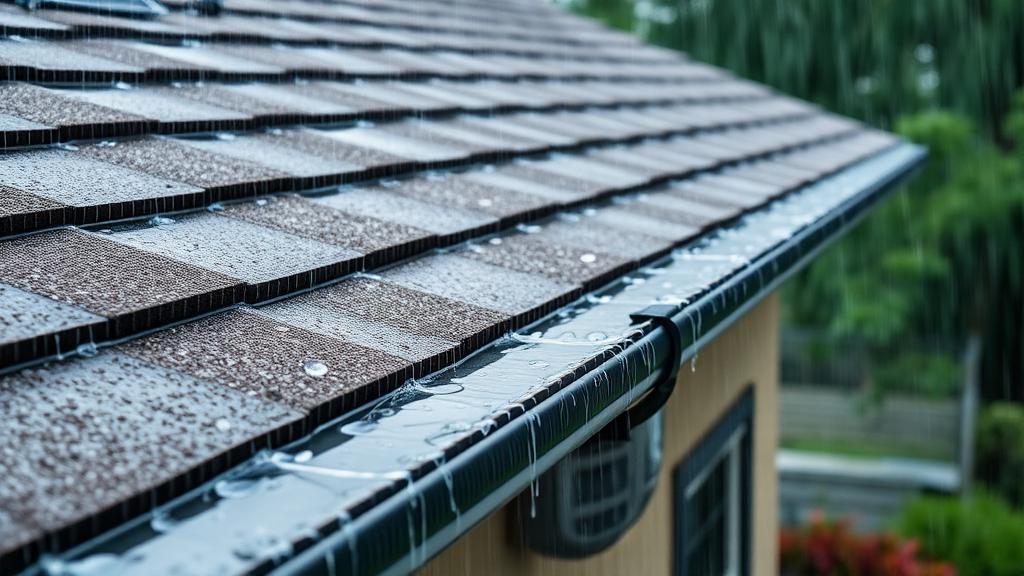
Western Oregon receives substantial rainfall, making proper roof drainage essential for home protection. Understanding drainage principles and maintenance requirements helps homeowners prevent water damage.
Oregon Rainfall Reality
Western Oregon experiences significant precipitation:
Annual Totals: Portland averages 36 inches while coastal areas exceed 70 inches. Most falls between October and May.
Precipitation Patterns: Unlike intense thunderstorms in other regions, Oregon rain often falls steadily for extended periods. This constant moisture tests drainage systems continuously.
Seasonal Intensity: Winter brings the heaviest rainfall. Atmospheric rivers can deliver several inches in 24 hours, overwhelming inadequate drainage.
Gutter System Design
Sizing Considerations: Standard 5-inch gutters handle normal rainfall. Areas with heavy precipitation or large roof areas should consider 6-inch gutters with proportionally larger downspouts.
Downspout Capacity: Downspouts should be sized for gutter capacity. 3x4 inch rectangular downspouts handle more volume than 3-inch round. Place downspouts every 20-30 feet of gutter run.
Discharge Management: Direct water well away from foundations. Underground drain systems are common in Oregon, routing water to storm drains or drainage areas.
Gutter Maintenance
Pacific Northwest vegetation creates constant debris:
Cleaning Frequency: Most Oregon homes need 2-4 gutter cleanings annually. Fall and spring are critical timing.
Debris Types: Fir needles, deciduous leaves, and moss debris accumulate quickly. Small needles can pass through standard guards.
Gutter Guards: Various systems help but none eliminate maintenance entirely. Guards reduce cleaning frequency but require periodic inspection.
Roof Waterproofing
Underlayment Choice: Synthetic underlayment outperforms felt in constant moisture. Multiple layers provide added protection on lower slope roofs.
Ice and Water Shield: While ice dams are less common than northern states, membrane protection in valleys and at edges prevents infiltration.
Flashing Quality: Metal flashings around chimneys, vents, and walls are critical water barriers. Quality materials and installation prevent the most common leaks.
Valley Performance
Roof valleys concentrate water flow:
Closed Valleys: Shingles woven or cut across valleys with membrane beneath provide best protection.
Metal Valleys: Exposed metal valleys handle high water volume but require proper installation.
Debris Accumulation: Keep valleys clear of debris that can dam water flow.
Signs of Drainage Problems
- Overflowing gutters during normal rain
- Staining on siding below gutters
- Erosion at foundation
- Water pooling around home
- Interior water stains
- Basement moisture issues
Conclusion
Oregon rainfall demands robust drainage systems and regular maintenance. Invest in proper sizing and maintain systems regularly.
Need drainage assessment? Find Oregon roofing contractors experienced with Pacific Northwest conditions.