Sustainable Roofing in Oregon: Eco-Friendly Options for Green Homes
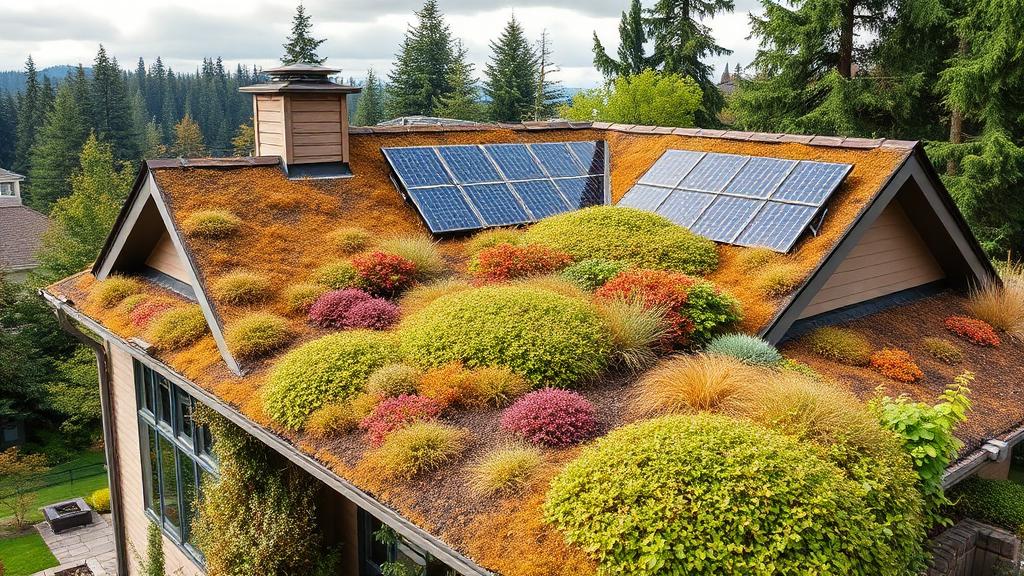
Oregon progressive environmental policies and eco-conscious population drive strong interest in sustainable roofing options. Understanding available choices helps homeowners select roofing that aligns with environmental values while providing excellent protection.
Oregon Green Building Context
State Incentives: Oregon offers tax credits and incentives for energy-efficient improvements including certain roofing options.
Local Programs: Portland and other cities have green building programs with additional incentives and requirements.
Market Demand: Sustainability features increasingly add value in Oregon real estate market.
Sustainable Material Options
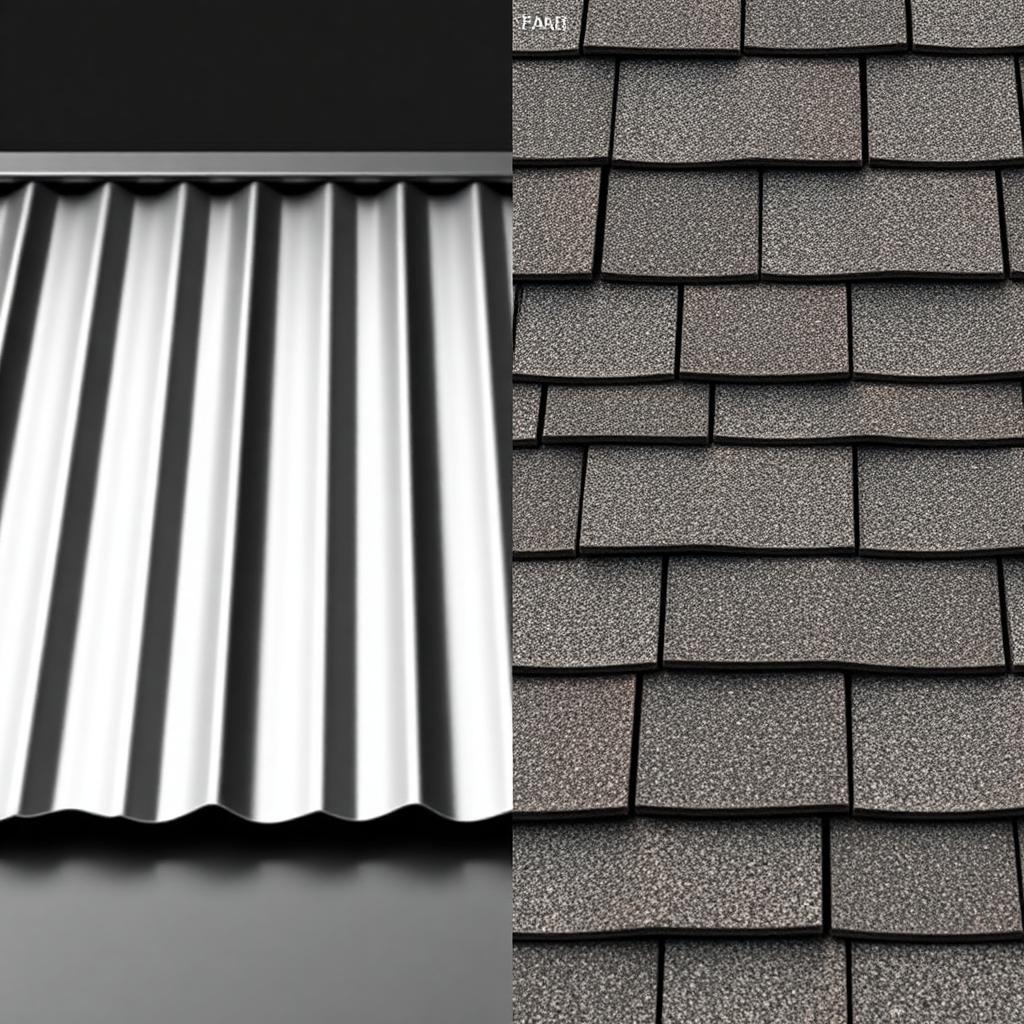
Metal Roofing: Highly sustainable with 25-95% recycled content, 50+ year lifespan, and 100% recyclability. Reflects heat reducing cooling loads. Energy Star rated options available.
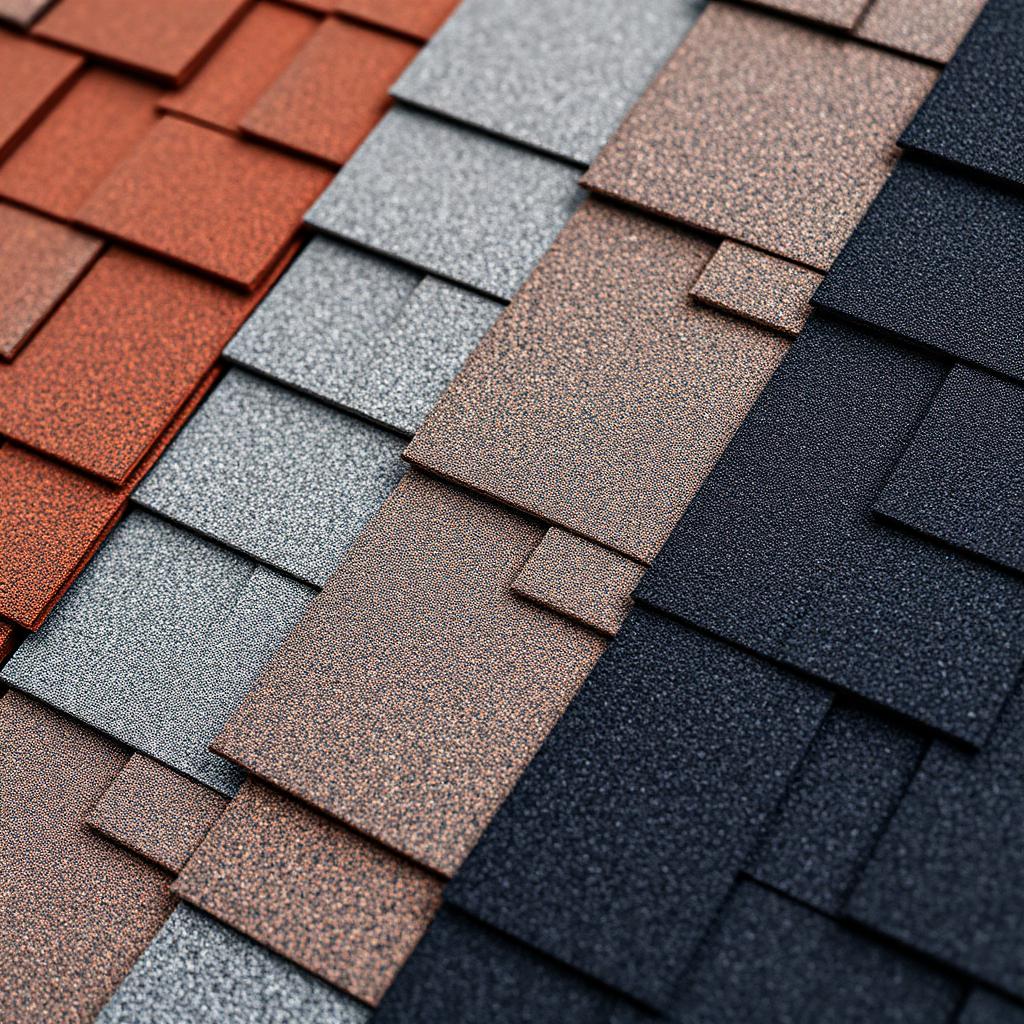
Recycled Content Shingles: Composite shingles using recycled plastics and rubber. Diverts waste from landfills while providing traditional appearance.
Reclaimed Materials: Salvaged slate, metal, and other materials from demolished buildings. Reduces new material production and preserves historic materials.
FSC-Certified Cedar: Sustainably harvested cedar from certified forests. Biodegradable at end of life. Supports responsible forestry.
Natural Slate: Long lifespan (100+ years) offsets manufacturing impact. Salvageable for reuse.
Solar Integration
Oregon supports solar despite cloudy reputation:
Production Reality: While cloudier than sunbelt states, Oregon solar produces 75-85% of equivalent Southwest installations. Long summer days help.
Net Metering: Oregon net metering policies allow credits for excess production. Summer surplus offsets winter deficits.
Solar Shingles: Building-integrated photovoltaics combine roofing and power generation. Tesla Solar Roof and alternatives offer aesthetic integration.
Traditional Panels: Conventional panels on suitable roofs remain cost-effective. South-facing slopes optimize production.
Energy Trust of Oregon: State-sponsored incentives support solar adoption.
Living Roofs
Green roofs are growing in popularity:
Benefits: Stormwater management, urban heat reduction, improved insulation, wildlife habitat, and air quality improvement. Particularly valuable in urban areas.
Extensive Systems: Lightweight systems with shallow growing media and drought-tolerant plants. Minimal maintenance. Suitable for many residential applications.
Intensive Systems: Deeper systems supporting diverse plantings. Higher structural requirements and maintenance needs.
Code Considerations: Some Portland projects may receive stormwater credits for green roofs.
Cool Roofing
Reflective Materials: Light-colored or specially coated roofing reflects solar radiation. Reduces cooling loads and urban heat island effect.
Cool Roof Rating: Look for materials meeting Cool Roof Rating Council standards. These exceed minimum reflectivity requirements.
Lifecycle Thinking
Evaluate sustainability across the full lifecycle:
- Material sourcing and manufacturing impact
- Transportation distance
- Installation requirements
- Maintenance needs
- Expected lifespan
- End-of-life recyclability
Conclusion
Oregon homeowners have excellent sustainable roofing options. Balance environmental benefits with performance requirements for your specific situation.
Ready to explore sustainable roofing? Find Oregon roofing contractors experienced with eco-friendly options.