Roof Replacement in Atlanta: Southern Climate Solutions
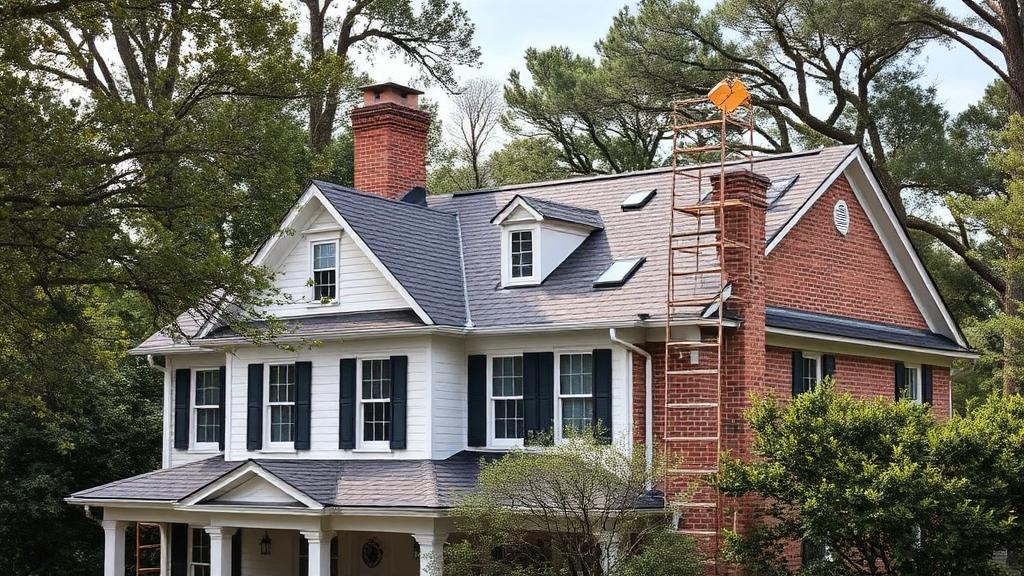
Atlanta's humid subtropical climate creates specific roofing challenges including heat, moisture, severe storms, and occasional winter ice events. Understanding these factors ensures successful replacement projects for Georgia homeowners.
Atlanta Climate Considerations
Heat and Humidity: Atlanta summers bring 90°F+ temperatures with high humidity, promoting algae and moss growth.
Severe Storms: Georgia experiences significant thunderstorm activity with hail and high winds.
Occasional Ice: Winter ice storms can damage roofs, though less frequently than northern regions.
Heavy Rainfall: Atlanta receives 50+ inches annually, requiring excellent drainage.
Recommended Materials for Atlanta
Algae-Resistant Shingles: Copper granules prevent black algae streaking common in humid climates.
Architectural Shingles: The standard Atlanta choice, offering good value and 25-30 year warranties.
Metal Roofing: Increasingly popular for durability and storm resistance.
Designer Shingles: High-wind rated options provide enhanced storm protection.
Atlanta Replacement Costs 2026
Current pricing ranges:
- Architectural Shingles: $8,500-$15,000
- Premium/Designer Shingles: $11,000-$19,000
- Metal Roofing: $14,000-$26,000
- Tile Roofing: $18,000-$32,000
Georgia Contractor Requirements
State License: Georgia requires roofing contractor licensing. Verify at sos.ga.gov.
Insurance: Contractors must maintain liability insurance and workers compensation.
Local Business License: Verify registration in your city or county.
Finding Atlanta Roofing Contractors
License Verification: Always verify Georgia contractor license status.
Local References: Request and contact Atlanta-area customers.
Storm Chaser Awareness: After severe storms, verify contractor credentials carefully.
Manufacturer Certifications: Factory certifications indicate quality training.
Atlanta Permit Requirements
City/County Permits: Permits required for all roof replacement.
Inspections: Building department verification ensures code compliance.
HOA Requirements: Many Atlanta neighborhoods have architectural guidelines.
Insurance Considerations
Wind and Hail Coverage: Understand your policy's storm damage provisions.
Deductible Types: Watch for percentage-based wind/hail deductibles.
Age Restrictions: Some insurers limit coverage for older roofs.
Timing Your Atlanta Project
Optimal Seasons: Spring and fall offer comfortable conditions.
Summer Challenges: Heat and afternoon thunderstorms can slow progress.
Winter Window: December through February typically offers dry, mild days.
Ventilation Importance
Heat Reduction: Proper ventilation reduces attic temperatures significantly.
Moisture Control: Humidity management prevents sheathing damage.
Code Requirements: Georgia codes mandate adequate ventilation.
Algae and Moss Prevention
Material Selection: Choose shingles with algae-resistant granules.
Trim Vegetation: Keep trees trimmed to reduce shading and debris.
Regular Cleaning: Periodic cleaning maintains appearance and extends life.
Conclusion
Atlanta roof replacement should address the region's humidity and storm exposure. Algae-resistant materials maintain appearance while proper installation ensures weather protection. Work with licensed Georgia contractors who understand Southern building conditions.
Find Atlanta roofing contractors for storm-resistant replacement options.