Roof Replacement in Chicago: Harsh Winter Protection for the Midwest
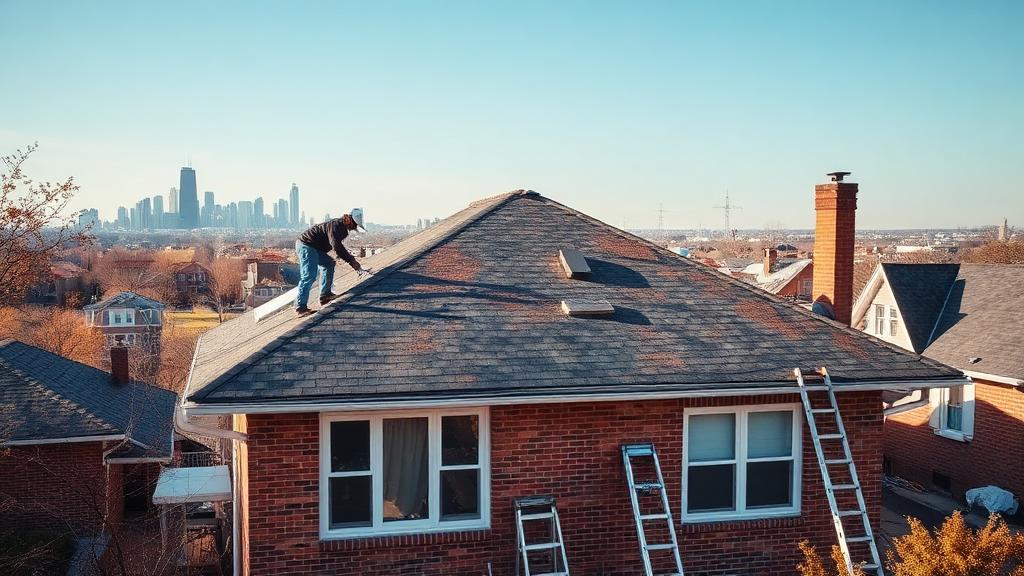
Chicago's extreme weather swings from bitter winters to hot summers create intense demands on roofing systems. Ice dams, lake-effect snow, and powerful winds require careful material selection and installation practices.
Chicago Climate Extremes
Harsh Winters: Sub-zero temperatures, heavy snow, and ice test roofing durability.
Lake Effect: Proximity to Lake Michigan intensifies snow and cold on the city's east side.
Hot Summers: Temperatures exceeding 90°F with high humidity stress materials.
Severe Storms: Thunderstorms, hail, and occasional tornadoes bring damaging weather.
Ice Dam Prevention
Ice dams are Chicago's signature roofing challenge.
Ice and Water Shield: Extended coverage (3-6 feet from eaves) prevents ice dam leaks.
Proper Ventilation: Balanced ventilation keeps roof cold and prevents ice formation.
Adequate Insulation: Properly insulated attics prevent heat escape that causes ice dams.
Roof Design Considerations: Adequate slope and proper drainage reduce ice dam risk.
Recommended Chicago Materials
Architectural Shingles: Standard choice with ice dam prevention underlayment.
Metal Roofing: Sheds snow effectively; standing seam prevents ice dam formation.
Impact-Resistant Shingles: Protects against hail in severe weather corridor.
Flat Roof Systems: Commercial-grade membranes for Chicago's many flat-roofed buildings.
Chicago Replacement Costs 2026
Current pricing:
- Architectural Shingles: $10,000-$18,000
- Impact-Resistant Shingles: $12,000-$21,000
- Metal Roofing: $16,000-$30,000
- Flat Roof Systems: $8,000-$18,000
Illinois Contractor Requirements
Local Licensing: Many Illinois municipalities require contractor licensing.
Chicago License: Chicago requires roofing contractor licenses. Verify at chicago.gov.
Insurance: Liability and workers compensation required.
Finding Chicago Roofing Contractors
License Verification: Verify Chicago contractor license status.
Winter Experience: Ensure contractors understand cold-weather installation requirements.
Ice Dam Expertise: Contractors should explain ice dam prevention strategies.
References: Request Chicago-area customer references.
Chicago Permit Requirements
City Permits: Chicago Department of Buildings requires permits for roof replacement.
Inspections: Building inspections verify code compliance.
Historic Districts: Additional review in designated areas.
Timing Considerations
Optimal Seasons: Late spring and early fall offer best conditions.
Summer Installation: Hot weather affects adhesive performance; early morning starts help.
Winter Challenges: Cold-weather installation possible with appropriate products and techniques.
Flat Roof Considerations
Many Chicago buildings feature flat roofs.
TPO and EPDM: Popular choices for commercial and residential flat roofs.
Drainage Critical: Proper drainage prevents ponding and ice damage.
Tapered Insulation: Creates positive drainage on flat surfaces.
Wind Resistance
High-Wind Products: Chicago wind codes require appropriate wind ratings.
Enhanced Nailing: High-wind areas may require increased fastener patterns.
Hip and Ridge Treatment: Proper high-wind starter and cap installation essential.
Ventilation in Chicago
Balanced System: Intake and exhaust ventilation must be balanced.
Ice Dam Prevention: Proper ventilation is key to preventing ice dams.
Energy Efficiency: Well-ventilated attics improve heating and cooling performance.
Conclusion
Chicago roof replacement requires addressing the region's extreme temperature swings and ice dam potential. Quality installation with proper underlayment, ventilation, and insulation ensures long-term performance. Work with Chicago-licensed contractors experienced in Midwest conditions.
Find Chicago roofing contractors for winter-tough replacement options.