Roof Replacement Cost Factors: Complete Budgeting Guide for 2026
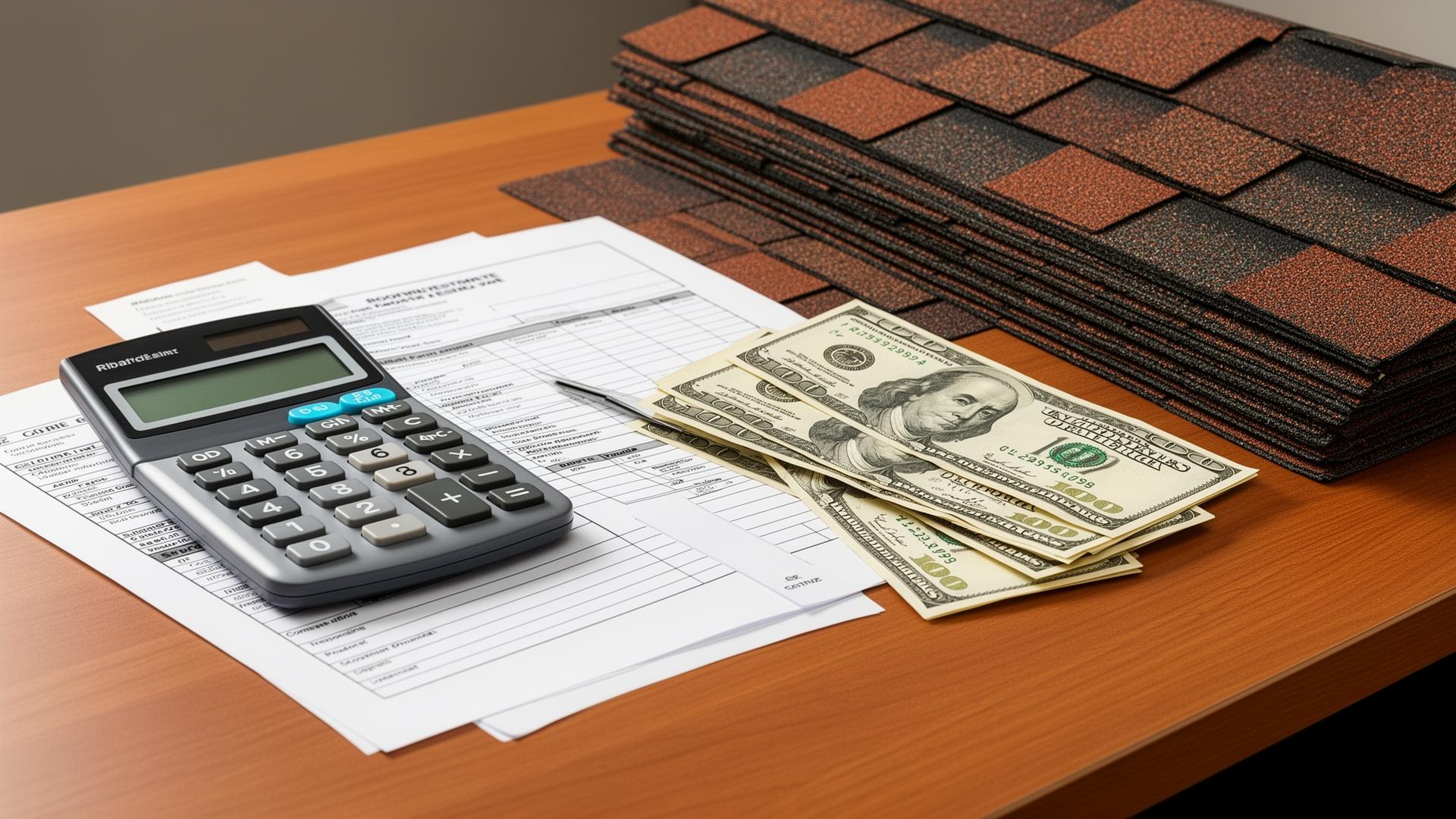
Roof replacement represents a major investment, with costs varying significantly based on numerous factors. Understanding what drives pricing helps you budget accurately and evaluate contractor quotes effectively.
National Average Costs
Before diving into factors, understanding typical ranges provides context.
Asphalt Shingle Roofs: Most homeowners pay $8,000-$20,000 for complete asphalt shingle replacement. The wide range reflects home size, material quality, and regional pricing variations.
Metal Roofing: Metal roof installations typically run $15,000-$35,000, with premium materials and complex designs reaching higher.
Tile Roofing: Tile replacement costs $20,000-$50,000+ depending on tile type and installation complexity.
Flat Roofing: Commercial and residential flat roof replacements range from $5,000-$25,000 based on size and system type.
Roof Size and Complexity
The physical characteristics of your roof significantly impact cost.
Square Footage: Roofing is typically priced per "square" (100 square feet). Larger roofs require more materials and labor.
Roof Pitch: Steeper roofs require additional safety equipment, slower installation, and more skill. Roofs over 6:12 pitch typically incur steep-roof premiums.
Complexity Factors: Multiple levels, dormers, valleys, hips, and irregular shapes increase installation difficulty and time. A 2,000 square foot simple gable roof costs less than a 2,000 square foot roof with multiple dormers and valleys.
Stories: Multi-story homes require more equipment and create access challenges, increasing labor costs.
Material Selection
Material choice is often the largest cost variable.
Basic 3-Tab Shingles: The most economical option at $70-$100 per square installed. Shorter warranties and flat appearance limit appeal.
Architectural Shingles: Standard choice at $100-$200 per square installed. Better appearance, longer warranties, and improved durability.
Premium Shingles: Designer and impact-resistant shingles run $200-$400 per square installed. Enhanced aesthetics and performance justify premium pricing.
Metal Roofing: Standing seam systems cost $300-$800 per square installed. Metal shingles and tiles fall in similar ranges.
Tile Roofing: Concrete tile costs $400-$700 per square, clay tile $600-$1,000+ per square installed.
Regional Price Variations
Geography significantly impacts roofing costs.
Labor Rates: Metropolitan areas and high cost-of-living regions have higher labor rates than rural areas.
Material Costs: Shipping costs and local availability affect material pricing. Specialty materials may cost more in areas where they are uncommon.
Climate Factors: Regions with extreme weather may require additional materials (ice dam protection, wind-resistant fastening) adding cost.
Demand and Competition: Markets with high construction activity or limited contractor availability may have higher pricing.
Tear-Off and Disposal
Removing existing materials adds to project cost.
Single Layer Removal: Removing one layer of existing shingles typically adds $100-$150 per square to project cost.
Multiple Layers: If multiple roof layers exist, removal costs increase. Many areas limit roof layers, requiring tear-off even if only one layer exists.
Disposal Costs: Landfill tipping fees vary regionally. Heavy materials like tile increase disposal costs.
Recycling Options: Some areas offer shingle recycling, potentially reducing disposal costs.
Deck Repairs
Deck condition isn't known until tear-off reveals the substrate.
Budget for Contingencies: Include 10-15% contingency in budgets for deck repairs. Aged roofs often have hidden damage.
Common Issues: Rot from leaks, delaminated plywood, and damaged sheathing require replacement before new roofing installation.
Cost Impact: Deck repairs typically add $50-$100 per sheet of plywood replaced, plus labor.
Additional Components
Complete replacement includes more than just surface materials.
Underlayment: Synthetic underlayment costs more than traditional felt but provides better protection. $100-$300 additional for synthetic.
Ice and Water Shield: Required in cold climates, this self-adhering membrane adds $200-$500 to most projects.
Ventilation: Upgrading ventilation during replacement adds $300-$600 but improves roof performance and longevity.
Flashing: All flashings should be replaced or evaluated during replacement. New flashings add $200-$500 typically.
Gutters: Some homeowners coordinate gutter replacement with roofing. This adds $1,000-$3,000 for typical homes.
Permit and Inspection Costs
Regulatory requirements add modest costs.
Permit Fees: Most jurisdictions charge $100-$500 for roofing permits.
Inspection Requirements: Some areas require multiple inspections, potentially affecting project timeline.
Financing Options
Various financing options help manage large expenses.
Home Equity: Home equity loans or lines of credit often offer favorable rates for home improvements.
Contractor Financing: Many contractors partner with financing companies offering promotional terms.
Insurance Coverage: Storm damage may be partially or fully covered by homeowners insurance, less deductibles.
Credit Cards: High-interest option for smaller projects or bridging gaps. Some offer promotional 0% periods.
Getting Accurate Quotes
Ensure quotes are comparable and complete.
Detailed Specifications: Quotes should specify exact materials including manufacturer, product line, and color.
Complete Scope: Verify quotes include all necessary components, not just shingle installation.
Compare Apples to Apples: Ensure you're comparing similar materials, scope, and warranty coverage.
Question Low Outliers: Significantly lower quotes may indicate missing scope, inferior materials, or unqualified contractors.
Conclusion
Roof replacement costs reflect numerous factors from basic roof size to premium material selections. Understanding these factors helps you budget accurately and evaluate contractor proposals effectively. Get multiple detailed quotes and verify contractor credentials regardless of price.
Find roofing contractors for accurate replacement estimates.