Roof Replacement in Phoenix: Beating the Arizona Heat
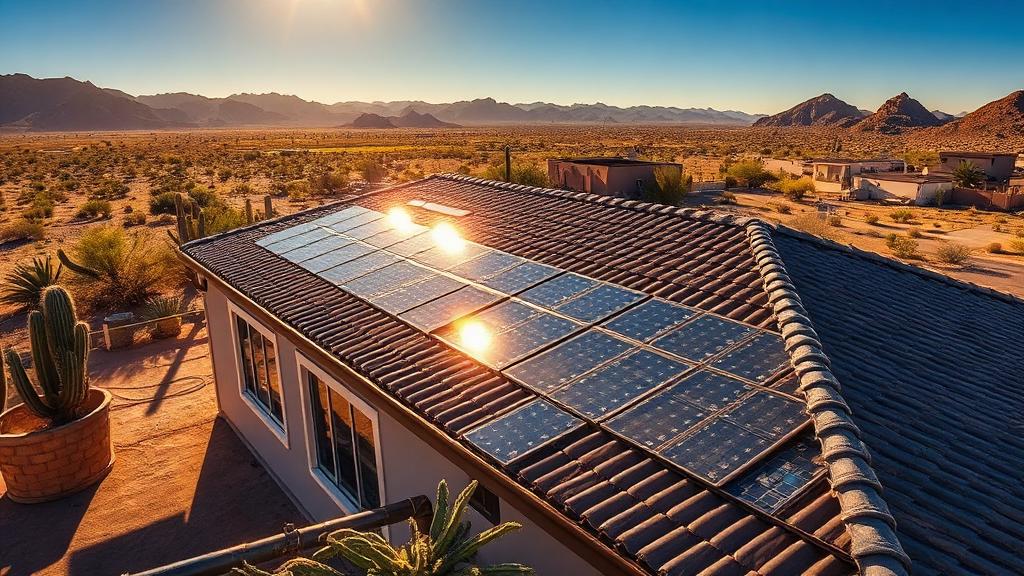
Phoenix's extreme heat creates intense demands on roofing systems. With summer temperatures regularly exceeding 115°F and over 300 sunny days annually, material selection and proper installation are critical for roof longevity and energy efficiency.
Phoenix Extreme Heat Challenges
Surface Temperatures: Roof surfaces can exceed 170°F in summer, accelerating material degradation.
Thermal Cycling: Daily temperature swings of 30-40 degrees stress roofing materials.
UV Intensity: Intense solar radiation damages materials faster than most climates.
Monsoon Season: Summer storms bring sudden heavy rain, wind, and occasional hail.
Best Materials for Phoenix Heat
Tile Roofing: The Phoenix standard. Concrete and clay tiles handle extreme heat with thermal mass benefits.
Metal Roofing: Reflective coatings reduce heat absorption. Properly ventilated metal roofs perform excellently.
Cool Roof Shingles: Specially designed reflective shingles reduce cooling loads.
Flat Roof Systems: White or tan TPO and PVC membranes reflect heat effectively.
Cool Roofing Benefits
Energy Savings: Cool roofs reduce cooling costs 10-25% in Phoenix's climate.
HVAC Longevity: Reduced cooling loads extend air conditioning equipment life.
Comfort: Lower attic temperatures improve indoor comfort.
Material Longevity: Cooler roof surfaces experience less thermal stress.
Phoenix Replacement Costs 2026
Current market rates:
- Architectural Shingles: $8,000-$14,000
- Tile Roofing: $12,000-$25,000
- Metal Roofing: $12,000-$24,000
- Flat Roof (Cool): $6,000-$15,000
Phoenix's competitive market and efficient labor force offer reasonable pricing.
Arizona Contractor Requirements
ROC License: Arizona requires Registrar of Contractors licenses. Verify at roc.az.gov.
Specialty Classification: Roofing contractors hold specific license classifications.
Bond Requirements: Licensed contractors maintain contractor bonds.
Insurance: Verify current liability and workers compensation.
Finding Phoenix Roofing Contractors
ROC Verification: Always verify license status and complaint history.
Heat Experience: Ensure contractors understand Phoenix-specific installation requirements.
Multiple Quotes: Obtain 3-5 detailed estimates for comparison.
Reference Checks: Contact recent Phoenix-area customers.
Permit Requirements
City of Phoenix: Permits required for all roof replacement.
Inspections: Building department inspections verify code compliance.
HOA Considerations: Many Phoenix communities have architectural requirements.
Installation Timing
Winter/Spring Optimal: October through April offers best conditions.
Summer Challenges: Extreme heat affects worker safety and material handling.
Early Start Times: Summer installations begin at dawn to maximize cooler hours.
Adhesive Considerations: Some products require temperature limits during installation.
Tile Roof Considerations
Underlayment Importance: High-temperature underlayments essential beneath tiles.
Ventilation Critical: Proper ventilation prevents heat damage to underlayments.
Weight Considerations: Tile weight requires structural verification on some homes.
Flat Roof Specifics
Coating Options: Elastomeric coatings protect existing flat roofs affordably.
Foam Roofing: Spray polyurethane foam provides insulation plus waterproofing.
Drainage Essential: Proper drainage prevents ponding that accelerates deterioration.
Monsoon Preparation
Timing Matters: Complete projects before July monsoon season when possible.
Drainage Verification: Ensure scuppers and drains function properly.
Emergency Planning: Know contractors for emergency repairs if storms damage in-progress work.
Conclusion
Phoenix roof replacement must prioritize heat resistance and energy efficiency. Tile and metal roofing with proper ventilation provide the best long-term performance. Work with ROC-licensed contractors experienced in Arizona's extreme conditions.
Find Phoenix roofing contractors for heat-resistant replacement options.