Roof Replacement in Seattle: Moisture-Resistant Solutions for the Pacific Northwest
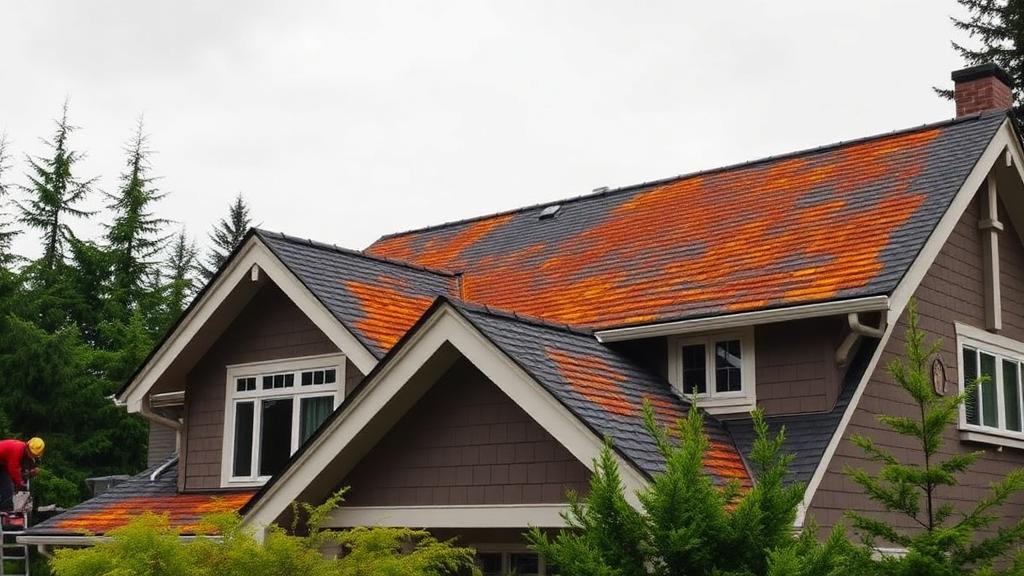
Seattle's famously wet climate makes roof replacement a critical investment. With over 150 rainy days annually and persistent cloud cover, moisture management is paramount for Pacific Northwest roofing success.
Seattle Climate Challenges
Persistent Moisture: While Seattle's annual rainfall is moderate, constant drizzle and cloud cover keep surfaces damp.
Moss and Algae: Shaded, moist conditions promote aggressive moss and algae growth.
Temperature Moderation: Mild temperatures but minimal sun extend drying times.
Wind Events: Pacific storms bring strong winds requiring proper installation.
Best Materials for Seattle
Architectural Shingles: Algae-resistant options with quality underlayment perform well.
Metal Roofing: Excellent for shedding water; standing seam prevents moss accumulation.
Cedar Shake: Traditional Pacific Northwest choice when properly maintained.
Synthetic Slate: Durable option that resists moss better than natural materials.
Composition Roofing: Quality products with enhanced moisture resistance.
Seattle Replacement Costs 2026
Current market pricing:
- Architectural Shingles: $10,000-$18,000
- Metal Roofing: $15,000-$30,000
- Cedar Shake: $16,000-$28,000
- Synthetic Materials: $14,000-$26,000
Moisture Management Essentials
Quality Underlayment: Synthetic underlayment outperforms felt in Seattle's climate.
Ice and Water Shield: Essential at eaves, valleys, and penetrations.
Proper Ventilation: Reduces moisture accumulation in attic spaces.
Flashing Details: Careful flashing installation prevents water intrusion.
Washington Contractor Requirements
State License: Washington requires contractor registration. Verify at lni.wa.gov.
Specialty License: Roofing contractors hold specific license classifications.
Bond and Insurance: Contractors must maintain bonds and insurance.
Finding Seattle Roofing Contractors
License Verification: Always verify Washington contractor license status.
Rain Experience: Ensure contractors understand Pacific Northwest installation requirements.
Reference Checks: Request Seattle-area customer references.
Manufacturer Certifications: Factory training indicates quality commitment.
Moss Prevention Strategies
Material Selection: Metal and synthetic materials resist moss better than shingles.
Zinc Strips: Zinc strips below ridges release moss-inhibiting compounds.
Tree Trimming: Reduce shading to increase sun exposure and drying.
Regular Maintenance: Periodic cleaning prevents moss establishment.
Seattle Permit Requirements
City Permits: Seattle Department of Construction and Inspections requires permits.
Inspections: Building inspections verify code compliance.
Historic Districts: Additional review in designated historic areas.
Installation Timing
Summer Windows: June through September offers driest conditions.
Shoulder Seasons: Spring and fall installation possible with weather monitoring.
Winter Challenges: Frequent rain makes winter installation difficult.
Ventilation Importance
Moisture Control: Proper ventilation prevents condensation damage.
Code Requirements: Washington codes mandate adequate ventilation.
Energy Efficiency: Well-ventilated attics improve home energy performance.
Cedar Shake Considerations
Traditional Choice: Cedar suits Pacific Northwest aesthetics and climate when maintained.
Maintenance Requirements: Regular cleaning and treatment extends life.
Fire Considerations: Treated cedar meets fire code requirements.
Conclusion
Seattle roof replacement must prioritize moisture resistance and moss prevention. Quality underlayment, proper ventilation, and appropriate material selection ensure long-term performance. Work with Washington-licensed contractors experienced in Pacific Northwest conditions.
Find Seattle roofing contractors for moisture-resistant replacement options.