Roof Replacement in Tampa Bay: Coastal Florida Roofing Solutions
Tampa Bay's position on Florida's Gulf Coast creates specific roofing challenges. While not in the High-Velocity Hurricane Zone like Miami, Tampa faces significant storm exposure requiring careful material and contractor selection.
Tampa Bay Climate Considerations
Hurricane Exposure: Tampa Bay has historically been spared direct hits, but remains vulnerable to major hurricanes.
Wind Requirements: Florida Building Code requires wind ratings appropriate for your specific location.
Salt Air: Coastal areas experience accelerated metal corrosion. Material selection must account for salt exposure.
Heavy Rainfall: Tampa receives significant rain requiring excellent drainage and waterproofing.
Recommended Materials for Tampa
High-Wind Shingles: Shingles rated for 130+ mph winds suit most Tampa Bay locations.
Metal Roofing: Galvalume and aluminum resist coastal corrosion while handling high winds.
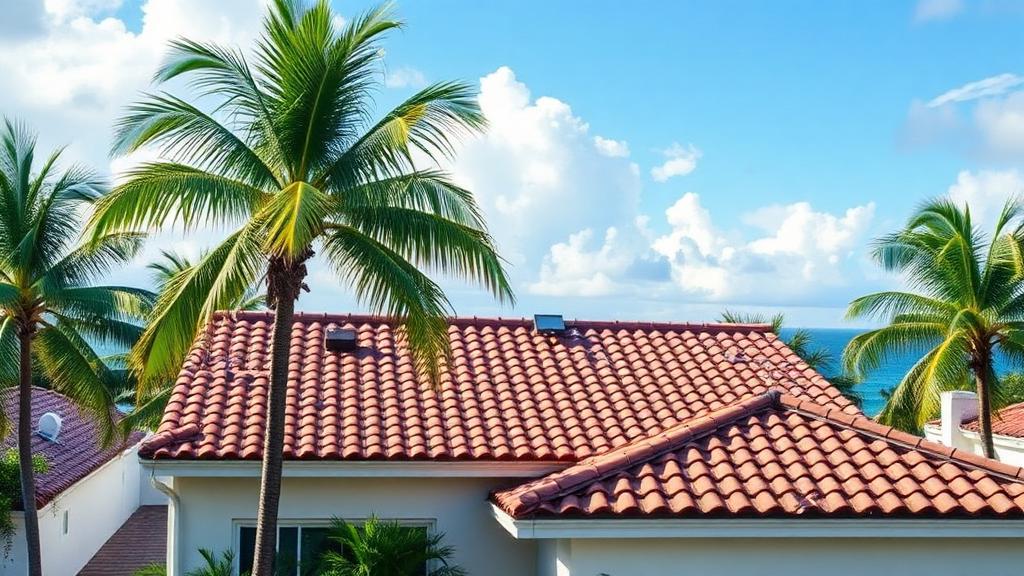
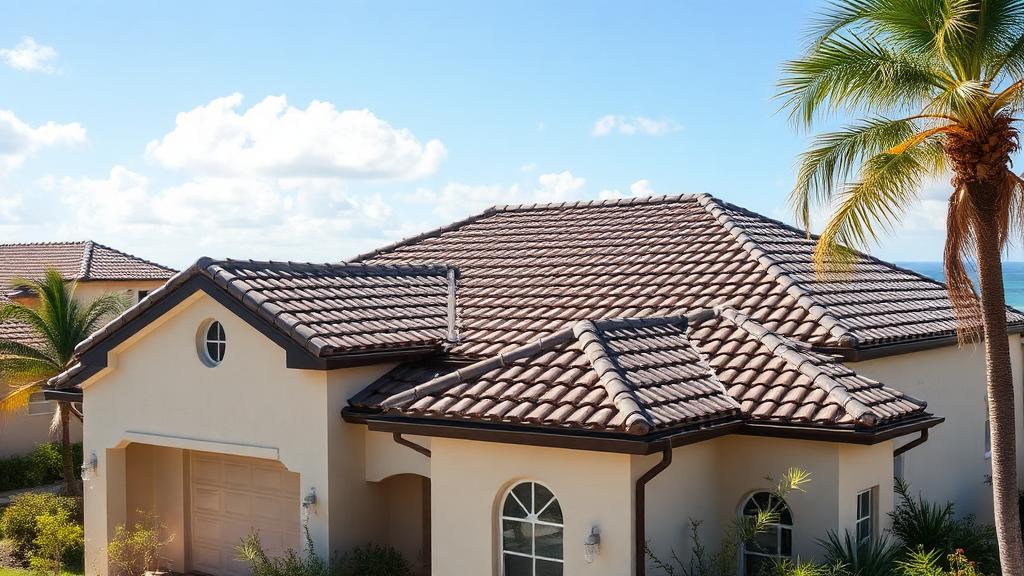
Tile Roofing: Popular in Tampa for aesthetics and hurricane resistance when properly secured.
Flat Roof Systems: Commercial-grade systems for flat or low-slope applications.
Tampa Bay Replacement Costs 2026
Current pricing ranges:
- Architectural Shingles: $9,000-$17,000
- Impact-Resistant Shingles: $12,000-$20,000
- Metal Roofing: $15,000-$30,000
- Tile Roofing: $20,000-$40,000
Wind Mitigation Benefits
Florida law requires insurance discounts for wind-resistant features.
Wind Mitigation Inspection: Certified inspectors document protective features.
Discount Categories: Roof shape, covering, deck attachment, and opening protection all affect discounts.
Potential Savings: Discounts can reduce wind coverage premiums by 30-45%.
Florida Contractor Requirements
State License: All roofing contractors must hold Florida licenses. Verify at myfloridalicense.com.
Insurance Requirements: Contractors need liability insurance and workers compensation.
Local Business Tax: Verify contractors are registered in your municipality.
Manufacturer Certifications: GAF, Owens Corning, and CertainTeed certifications indicate quality training.
Permit Process in Tampa Bay
Municipal Requirements: Each Tampa Bay city has permit requirements. Your contractor handles applications.
Building Department Inspections: Multiple inspections ensure code compliance.
Final Approval: Obtain permit sign-off documentation for insurance and resale purposes.
Insurance Navigation
Roof Age Policies: Many insurers restrict coverage for roofs over 15-20 years.
Replacement Requirements: Some insurers require replacement rather than covering older roofs.
Claims Process: If replacing after storm damage, document everything and understand your policy's requirements.
Choosing Your Tampa Contractor
Local Presence: Choose contractors with Tampa Bay offices and verifiable local history.
Storm Chaser Awareness: After hurricanes, out-of-state contractors flood the market. Exercise caution.
Reference Verification: Contact recent customers and view completed projects.
Written Estimates: Detailed estimates should specify materials, scope, and warranty terms.
Project Timing
Optimal Seasons: October through May offers best weather conditions.
Hurricane Season: June-November brings storm risks affecting scheduling.
Dry Season Advantage: Winter dry season provides reliable working conditions.
Conclusion
Tampa Bay roof replacement should prioritize wind resistance and proper installation to maximize insurance benefits and storm protection. Work with established Florida-licensed contractors who understand Gulf Coast conditions.
Find Tampa Bay roofing contractors for wind-resistant replacement options.