Roof Replacement Timeline: What to Expect During Your Project
Understanding what to expect during a roof replacement helps you prepare your home and family for this significant project. While the actual installation typically takes just one to three days for most homes, the complete process from initial contact through final inspection spans several weeks. This guide walks you through each phase so you know exactly what is coming.
Pre-Project Planning: 1-4 Weeks
The planning phase involves several important steps before any work begins.
Initial Consultation: Most contractors offer free inspections and estimates. During this visit, they assess your existing roof, measure the roof area, identify any visible problems, and discuss material options. This typically takes one to two hours.
Getting Multiple Estimates: You should obtain at least three estimates from different contractors. Allowing time for scheduling and comparison takes one to two weeks. Do not rush this process as the right contractor selection is crucial for project success.
Estimate Review and Decision: Review estimates carefully, comparing not just prices but also materials specified, scope of work, timelines, payment terms, and warranty coverage. Contact references and verify credentials. Take a few days to a week for this important decision.
Contract Signing: Once you select a contractor, carefully review the contract before signing. Ensure all discussed terms are included in writing. Ask questions about anything unclear.
Scheduling: After signing, your project enters the contractors schedule. During busy seasons, this wait can be two to six weeks or longer. Off-season scheduling is often faster.
Material Ordering: Some materials, particularly specialty products or custom orders, require lead time. Standard asphalt shingles are typically available immediately, but metal roofing or specialty materials may require one to four weeks for delivery.
Preparation Day: 1-2 Days Before
As your project approaches, final preparations ensure smooth installation.
Homeowner Preparation: Before the crew arrives, move vehicles away from the work area, remove outdoor furniture and decorations near the house, cover items in the attic if concerned about dust, take down wall decorations that might vibrate loose, and trim any vegetation close to the house if the contractor has not done so.
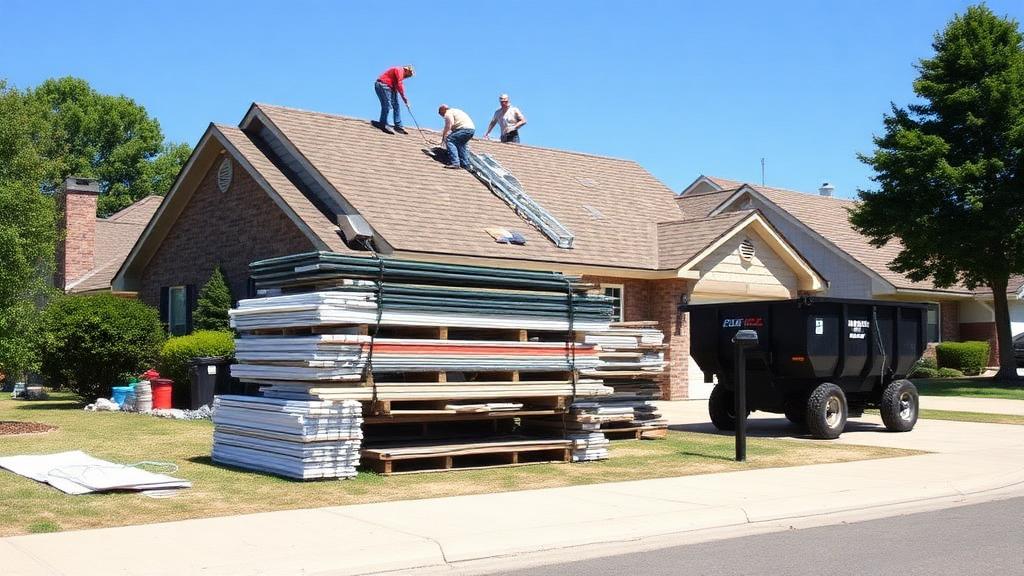
Contractor Preparation: The day before or morning of installation, contractors typically deliver materials, position dumpsters for debris, and set up safety equipment. Some contractors complete tear-off preparation the afternoon before.
Utility Considerations: If you have rooftop equipment like satellite dishes or antennas, discuss their handling with your contractor. They may need temporary disconnection.
Day 1: Tear-Off and Preparation
The first day of actual roofing work is typically the loudest and most disruptive.
Crew Arrival: Crews typically arrive between 7 AM and 8 AM. On the first day, time is spent setting up, reviewing the job, and preparing safety systems.
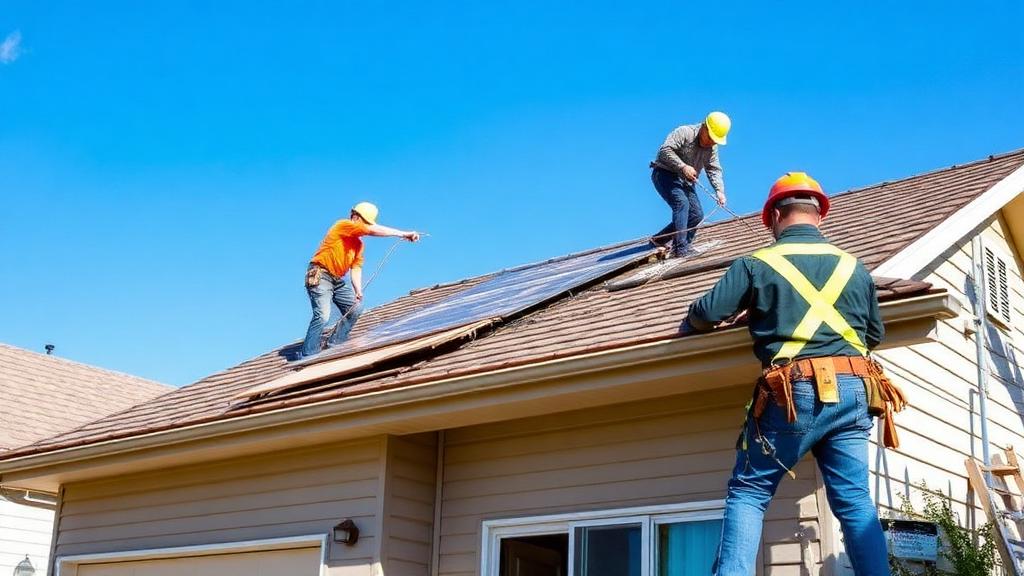
Tear-Off Process: The existing roofing is removed using shingle forks and pry bars. This is loud, dusty work. Debris falls to the ground where tarps protect landscaping. For average homes, tear-off takes four to eight hours depending on existing layers and roof complexity.
Deck Inspection and Repair: With shingles removed, the underlying deck is exposed. Contractors inspect for rot, damage, or inadequate fastening. Any necessary deck repairs are completed before proceeding. This may add several hours for homes with deck damage.
Underlayment Installation: Ice and water shield is applied to eaves and valleys. Synthetic or felt underlayment covers remaining areas. This layer provides secondary water protection.
End of Day 1: Depending on roof size and conditions, crews may complete underlayment installation and begin some shingle work. If not, the roof is temporarily waterproofed with underlayment and tarps if needed.
Day 2: Shingle Installation
The second day focuses on applying the primary roofing material.
Shingle Application: Starting from the eaves and working upward, shingles are installed in overlapping courses. For typical asphalt shingle installations, experienced crews can complete 15 to 25 squares (1,500 to 2,500 square feet) per day in good conditions.
Flashing Installation: Metal flashing is installed around penetrations, in valleys, and along walls. This critical work ensures water cannot enter at these vulnerable points.
Ridge and Hip Work: Ridge cap shingles are installed last, providing a finished appearance and sealing the ridge line.
Most Homes: For average-sized homes (20 to 30 squares), installation is typically complete by end of day two. Smaller homes may finish in a single day. Larger or more complex homes may require additional days.
Day 3 and Beyond: Finishing
Larger or more complex projects require additional time.
Complex Roofs: Multiple levels, numerous valleys, many penetrations, or steep pitches slow production. Complex roofs may take three to five days for complete installation.
Additional Systems: If installing skylights, solar prep, or other accessories, additional time is required.
Metal Roofing: Metal roof installation is more time-intensive than asphalt shingles, often requiring three to five days for average homes.
Cleanup and Inspection
The project is not complete until cleanup and final inspection are done.
Debris Removal: Crews remove all debris, running magnetic sweepers over the yard to collect stray nails. Dumpsters are hauled away. Good contractors leave your property cleaner than they found it.
Final Inspection: Your contractor should walk through completed work with you, explaining what was done and addressing any questions. This is the time to note any concerns.
Municipal Inspection: Many jurisdictions require building department inspections for roof replacements. Your contractor typically arranges this. The inspector verifies work meets code requirements.
Documentation: You should receive warranty documentation for materials and workmanship, lien releases if applicable, and any permit sign-offs.
Factors Affecting Timeline
Several factors can extend your project beyond typical timeframes.
Weather Delays: Rain, extreme temperatures, and high winds halt roofing work. During rainy seasons, projects may stretch over multiple weeks of actual work days.
Material Delays: Supply chain issues, back-ordered products, or incorrect deliveries can delay projects. Discuss material availability with your contractor before scheduling.
Hidden Damage: Extensive deck damage, structural issues, or other problems discovered during tear-off require additional repair time. Quality contractors address these issues properly rather than rushing.
Crew Availability: Contractor crew schedules, illness, or reassignment can affect continuity. Ask contractors about crew commitment to your project.
Permitting: Some jurisdictions have slow permit processing that can delay project start.
Living During Your Roof Replacement
Roof replacement is disruptive, but manageable with preparation.
Noise Levels: Tear-off and nailing are extremely loud. If you work from home, arrange alternative workspace. Consider having pets stay elsewhere for the day.
Vibration: Power nailing creates vibrations throughout the house. Secure fragile items, wall hangings, and anything that could fall.
Dust: Some dust will enter your attic and possibly living spaces. Cover stored items in the attic and consider closing off attic access.
Access: Crews work around your house perimeter. Normal entry and exit should remain available, but discuss with your contractor if you have specific access needs.
End of Day Status: At the end of each day, your roof should be in a water-resistant condition. Never accept crews leaving your roof exposed overnight without proper protection.
Conclusion
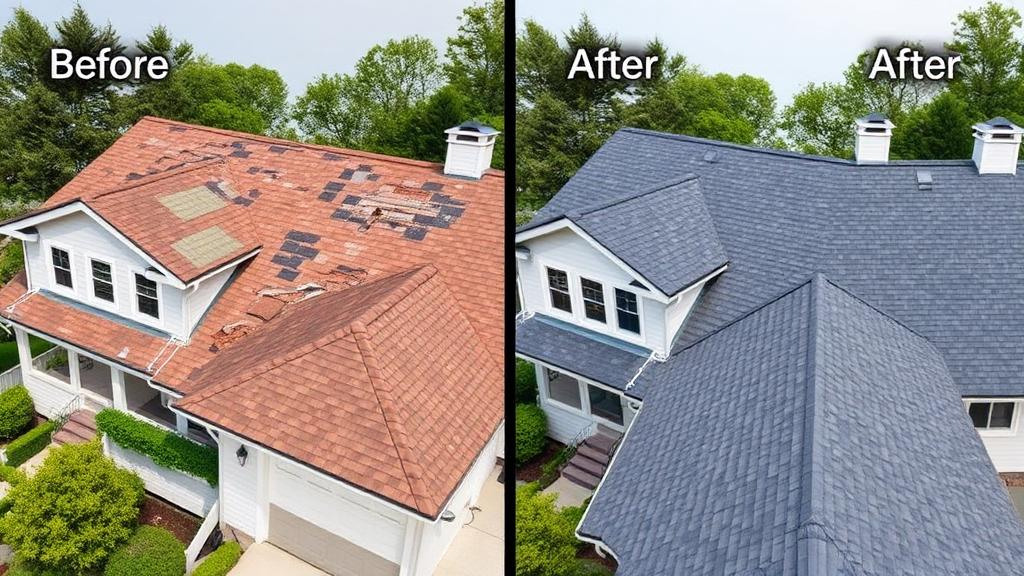
Most residential roof replacements are completed in one to three days of actual installation work, preceded by one to four weeks of planning and scheduling. Understanding this timeline helps you prepare appropriately and set realistic expectations. Communication with your contractor throughout the process ensures you know what is happening and when. While temporarily disruptive, quality roof replacement protects your home for decades to come.
Connect with qualified roofing professionals in your area to begin your roof replacement project.