San Antonio Roofing Contractors: Complete 2026 Hiring Guide
San Antonio combines South Texas heat with significant hail exposure, creating roofing challenges that require careful material selection and experienced contractors. As one of Texas's fastest-growing major cities, the roofing market includes numerous options ranging from established local companies to newer entrants. This guide helps San Antonio homeowners navigate the market effectively.
San Antonio Climate Considerations
South Texas climate patterns significantly impact roofing performance.
Intense Summer Heat: San Antonio summers feature extended periods of 95-105°F temperatures. Roofs absorb substantial heat, making reflective materials and proper ventilation important for energy efficiency and material longevity.
Hail Frequency: The San Antonio area experiences regular hail events, particularly during spring months. While generally less severe than the Dallas-Fort Worth corridor, significant hail damage occurs regularly.
Severe Thunderstorms: Spring and early summer bring severe weather including high winds and heavy rain. Roofing systems must handle both wind uplift and water management.
UV Exposure: Year-round strong sunshine accelerates material aging. UV-resistant materials provide better longevity in San Antonio conditions.
Humidity: Higher humidity than West Texas affects material selection and installation timing.
Texas Licensing Landscape
Texas does not require state-level roofing contractor licensing, making due diligence essential.
No State License: Unlike many states, Texas has no mandatory licensing for roofing contractors. This places responsibility on homeowners to verify contractor qualifications.
Local Requirements: San Antonio and Bexar County require permits for roofing work. Contractors should handle permit applications.
Insurance Verification: Without licensing requirements, verifying insurance coverage becomes particularly important. Confirm general liability and workers compensation.
BBB and Reviews: Check Better Business Bureau ratings and online reviews. These provide insight into contractor reliability and work quality.
Recommended Roofing Materials
Material selection should address both heat and storm considerations.
Impact-Resistant Shingles: Class 3 or Class 4 impact-resistant shingles provide hail protection and often qualify for insurance discounts. Major manufacturers offer IR options in various styles.
Metal Roofing: Standing seam metal handles both heat and hail effectively. Light-colored metal reflects significant heat while providing decades of service life.
Stone-Coated Steel: Stone-coated steel tiles offer traditional tile appearance with metal's durability and impact resistance.
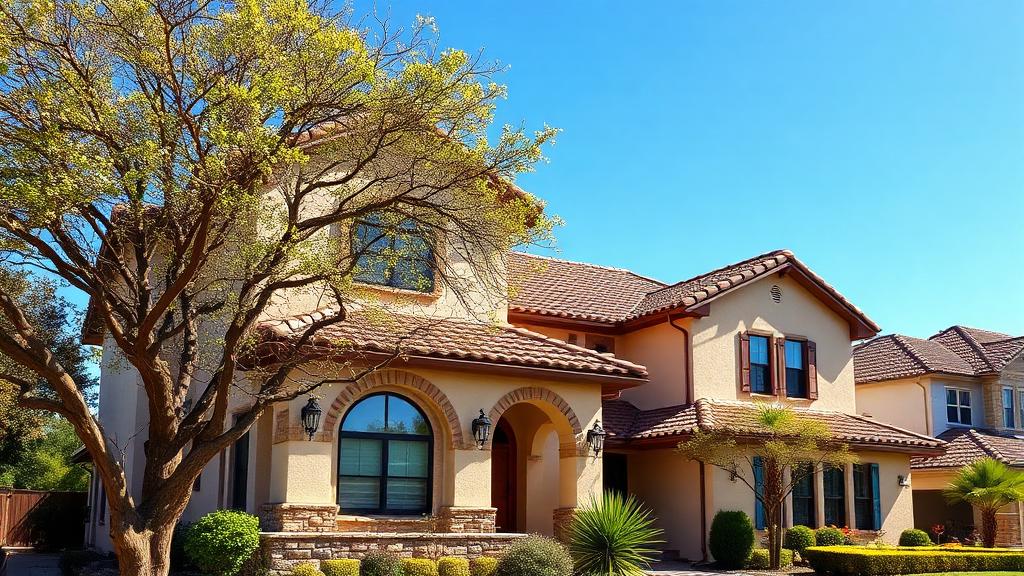
Tile Roofing: Concrete and clay tiles suit San Antonio's Southwestern aesthetic while providing durability. Quality installation is essential for storm resistance.
Cool Roofing: Energy-efficient cool-rated products reduce cooling costs in San Antonio's extended summer season.
San Antonio Roofing Costs
South Texas pricing reflects regional market conditions.
Standard Asphalt Shingles: Complete replacement costs $8,000-$15,000 for typical homes.
Impact-Resistant Shingles: IR shingles add $1,500-$3,500 to project costs but provide insurance savings and damage resistance.
Metal Roofing: Quality metal installations run $12,000-$25,000 depending on material and complexity.
Repairs: Typical repairs range $325-$1,100 for common residential issues.
Insurance Claims: Many projects follow hail events with insurance covering replacement. Work with contractors experienced in claim processes.
Finding Qualified Contractors
Without state licensing, research becomes especially important.
Insurance Verification: Request certificates of insurance showing general liability (minimum $500,000) and workers compensation coverage.
Local Establishment: Prioritize contractors with established San Antonio presence over storm-chasing operations that arrive after hail events.
References: Request references from recent San Antonio projects. Contact references and drive by completed work when possible.
Written Contracts: Ensure comprehensive contracts covering materials, scope, timeline, payment terms, and warranties.
Manufacturer Certifications: Certifications from major manufacturers indicate training and often provide enhanced warranty options.
Historic District Considerations
San Antonio's historic areas have special requirements.
King William District: This historic district has specific guidelines for maintaining neighborhood character. Material and color choices may be restricted.
Monte Vista: Historic Monte Vista has preservation requirements affecting roofing decisions.
Other Districts: Various other historic designations throughout San Antonio may affect material choices. Verify requirements before final selection.
Timing Your Project
San Antonio weather affects project scheduling.
Optimal Seasons: Fall and spring provide moderate temperatures ideal for roofing work. Late September through November and March through May offer good conditions.
Summer Work: Summer projects proceed with early morning starts to manage heat. Afternoon thunderstorms can cause delays during May-June and August-September.
Post-Storm Demand: After significant hail events, contractor availability becomes limited. Established customers often receive priority scheduling.
Conclusion
San Antonio homeowners benefit from understanding the local roofing landscape, from climate challenges to contractor selection without state licensing. Choosing materials suited to both heat and storm exposure, combined with thorough contractor research, ensures quality results that protect your home.
Find verified San Antonio roofing contractors serving the Alamo City and surrounding areas.