Roofing Materials Compared: Asphalt, Metal, Tile, and Slate
Choosing the right roofing material is one of the most important decisions in a roof replacement project. Each material offers different combinations of cost, longevity, appearance, and performance characteristics. Understanding these differences helps you select the best option for your home, climate, and budget.
Asphalt Shingles
Asphalt shingles dominate the residential roofing market for good reasons, though they also have limitations.
Types of Asphalt Shingles: Three-tab shingles are the most economical option, offering a flat appearance with consistent tabs. Architectural shingles (also called dimensional or laminated) have a layered appearance that mimics wood or slate. Premium designer shingles offer the highest quality and most distinctive appearance.
Cost Range: Three-tab shingles cost $3.50 to $5.50 per square foot installed. Architectural shingles run $4.50 to $7.00 per square foot. Premium options reach $8.00 to $10.00 or more per square foot.
Lifespan: Three-tab shingles typically last 15 to 20 years. Architectural shingles last 20 to 30 years. Premium products may last 30 to 40 years in favorable conditions.
Advantages: Low initial cost makes asphalt accessible for most budgets. Wide availability means easy repairs and matching. Variety of colors and styles suit most architectural preferences. Installation is relatively fast and straightforward.
Disadvantages: Shorter lifespan than premium materials means more frequent replacement over homeownership. Vulnerability to wind, hail, and extreme temperatures causes weather-related failures. Environmental impact includes petroleum use and eventual landfill disposal.
Best For: Asphalt shingles suit homeowners seeking balance between cost and performance, particularly in moderate climates without extreme weather challenges.
Metal Roofing
Metal roofing has grown dramatically in residential popularity as homeowners recognize its long-term value.
Types of Metal Roofing: Standing seam systems feature vertical panels with raised seams that connect panels and hide fasteners. Metal shingles are designed to mimic the appearance of traditional shingles, tile, or slate. Corrugated panels are economical options often used on agricultural and industrial buildings.
Cost Range: Standing seam metal costs $10.00 to $18.00 per square foot installed. Metal shingles range from $8.00 to $14.00 per square foot. Corrugated panels cost $5.00 to $10.00 per square foot.
Lifespan: Quality metal roofing lasts 40 to 70 years. Premium systems with proper maintenance can exceed 75 years.
Advantages: Exceptional longevity provides the lowest lifecycle cost for many applications. Energy efficiency from reflective coatings reduces cooling costs. Wind and fire resistance provide superior protection. Recyclability at end of life reduces environmental impact.
Disadvantages: Higher initial cost is a barrier for some budgets. Noise during rain is a concern for some homeowners, though proper underlayment minimizes this. Expansion and contraction with temperature changes can cause fastener issues if improperly installed. Denting from hail affects appearance though not usually function.
Best For: Metal roofing excels for homeowners planning long-term ownership, those in hot climates seeking energy efficiency, and those in fire-prone or high-wind areas requiring enhanced protection.
Tile Roofing
Tile roofs offer distinctive appearance and impressive durability, primarily in warm climates.
Types of Tile: Clay tiles are traditional terra cotta products with classic Mediterranean appearance. Concrete tiles offer similar appearance at lower cost with greater weight. Synthetic tiles made from polymer composites replicate tile appearance with reduced weight.
Cost Range: Concrete tiles cost $10.00 to $18.00 per square foot installed. Clay tiles range from $15.00 to $30.00 per square foot. Synthetic tiles cost $8.00 to $15.00 per square foot.
Lifespan: Quality tile roofs last 50 to 100 years. The tiles themselves often outlast the underlayment beneath them.
Advantages: Exceptional longevity justifies higher initial investment. Distinctive appearance enhances certain architectural styles. Energy efficiency from thermal mass and ventilation reduces cooling costs. Fire and wind resistance provide excellent protection.
Disadvantages: Weight requires structural verification and potentially reinforcement. Breakage from foot traffic makes maintenance and repairs challenging. Higher cost limits accessibility for some budgets. Limited suitability in cold climates where freeze-thaw damages some tile types.
Best For: Tile roofing is ideal for Mediterranean, Spanish, Mission, and Southwestern architectural styles, particularly in warm climates where its thermal properties and longevity provide maximum value.
Slate Roofing
Natural slate represents the pinnacle of roofing materials in both appearance and durability.
Types of Slate: Hard slate from certain quarries lasts 150 years or more. Soft slate has a shorter lifespan of 50 to 75 years. Synthetic slate made from rubber, plastic, or composite materials offers slate appearance at lower cost and weight.
Cost Range: Natural slate costs $15.00 to $30.00 per square foot installed, with premium grades exceeding $40.00. Synthetic slate ranges from $8.00 to $15.00 per square foot.
Lifespan: Quality hard slate can last 150 to 200 years. Soft slate lasts 50 to 75 years. Synthetic slate typically lasts 40 to 60 years.
Advantages: Unmatched longevity makes slate a multi-generational investment. Natural beauty and prestige enhance property value and curb appeal. Fire and weather resistance provide superior protection. Environmental sustainability as a natural material with exceptional lifespan.
Disadvantages: Very high cost limits accessibility to premium properties. Extreme weight requires robust structural support. Specialized installation and repair requires experienced craftsmen who may be scarce in some areas. Fragility requires careful foot traffic management.
Best For: Slate suits historic properties, high-value homes, and owners seeking multi-generational roofing solutions where the investment will be appreciated over time.
Comparison Summary
Each material serves different priorities and situations.
Lowest Initial Cost: Three-tab asphalt shingles Best Long-Term Value: Metal roofing or natural slate Best for Extreme Weather: Metal roofing Best for Warm Climates: Tile or metal roofing Best for Historic Properties: Slate or tile Easiest Repairs: Asphalt shingles Most Sustainable: Metal (recyclable) or slate (natural and long-lasting)
Climate Considerations
Your climate should influence material selection significantly.
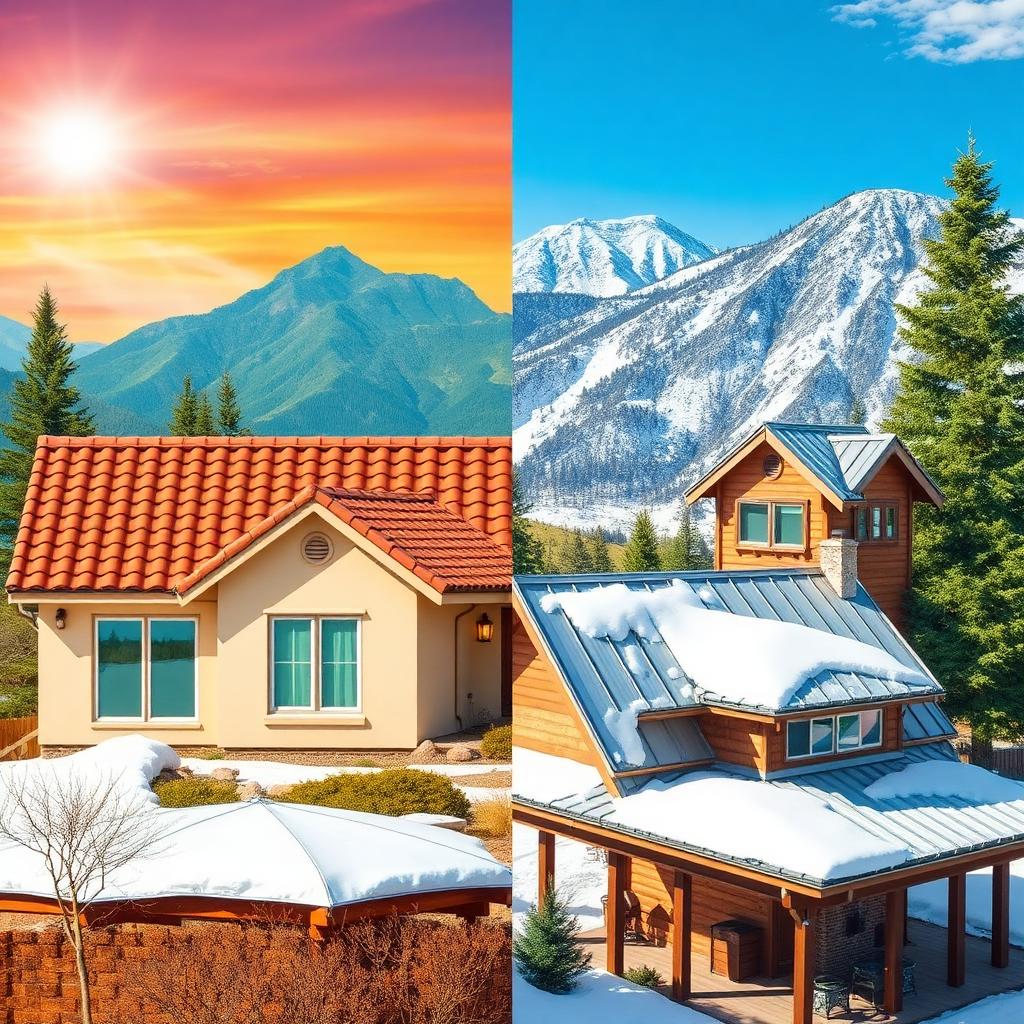
Hot, Sunny Climates: Reflective metal, tile, and light-colored materials reduce cooling loads. Asphalt shingles degrade faster under intense UV exposure.
Cold, Snowy Climates: Metal roofs shed snow effectively. Tile can be damaged by freeze-thaw cycles. Quality asphalt shingles perform well with proper installation.
High Wind Areas: Metal roofing provides superior wind resistance. Properly installed tile also performs well. Asphalt shingles require high-wind installation methods.
Humid Climates: Metal resists moss and algae. Tile and asphalt may require treatment. Proper ventilation matters for all materials.
Making Your Decision
Consider these factors when selecting your roofing material.
Budget Scope: Consider both immediate budget and how long you plan to own the home. Short-term owners may prioritize lower initial cost. Long-term owners benefit from investing in longevity.
Architectural Style: Some materials suit certain home styles better than others. Tile on a colonial or metal on a Victorian may look awkward despite material quality.
Climate Demands: Let your local weather conditions guide material selection rather than fighting them with inappropriate choices.
Contractor Availability: Ensure quality installers for your chosen material are available locally. The best material installed poorly performs worse than a lesser material installed well.
Find qualified roofing professionals in your area who specialize in your chosen material for the best results.
Conclusion
Each roofing material offers a different value proposition balancing initial cost, longevity, appearance, and performance. Asphalt shingles provide accessible pricing and adequate performance for many applications. Metal roofing delivers exceptional long-term value and durability. Tile creates distinctive beauty in appropriate climates and architectural contexts. Slate offers unmatched longevity for those who can invest in it. Match your material selection to your specific priorities, climate, architecture, and ownership timeline for the best outcome.