Skylight Installation & Replacement in Sacramento: Costs, Types & Energy Efficiency (2026)
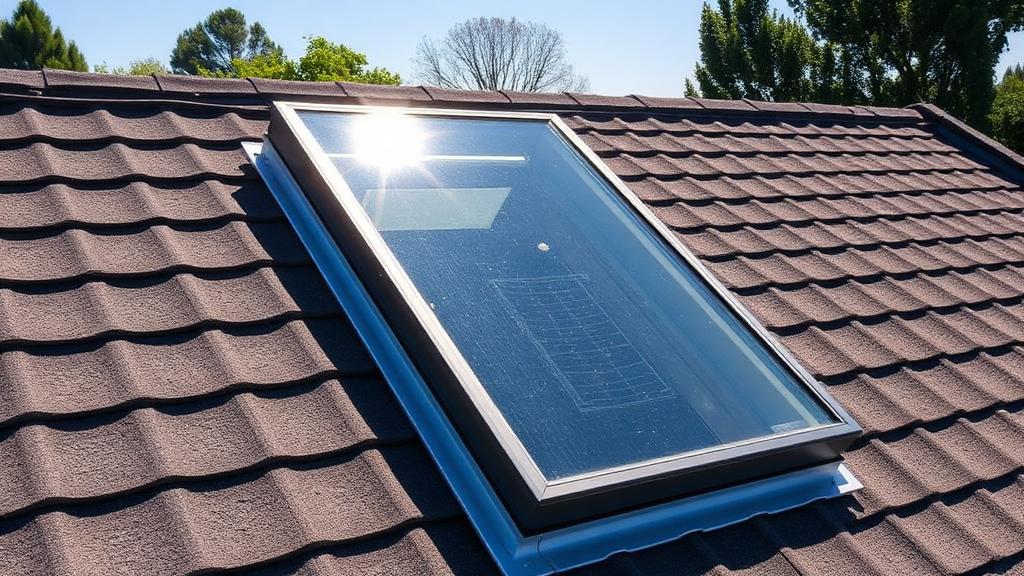
Skylight Installation in Sacramento: Bringing Natural Light Into Your Home
Sacramento homeowners enjoy over 260 sunny days per year, making the California capital one of the best locations in the country for skylights. Whether you're looking to brighten a dark hallway, add natural ventilation to a bathroom, or create a dramatic architectural feature in your living room, skylights offer a unique combination of beauty, energy efficiency, and home value.
This 2026 guide covers everything Sacramento homeowners need to know about skylight installation, from choosing the right type to understanding costs and finding qualified installers.
Types of Skylights for Sacramento Homes
Fixed Skylights
Fixed skylights don't open—they're designed purely for light transmission. They're the most affordable option and ideal for spaces where ventilation isn't needed.
Best For: Living rooms, hallways, stairwells, and closets Cost: $500–$1,500 (unit only); $1,500–$3,000 installed Energy Rating: ENERGY STAR options available with Low-E glass Pros: No moving parts (fewer maintenance issues), best value, excellent light transmission Cons: No ventilation capability
Venting Skylights
Venting (or operable) skylights open to allow fresh air circulation. Available in manual-crank, electric, or solar-powered models.
Best For: Kitchens, bathrooms, bedrooms, and any room where ventilation is desired Cost: $1,000–$3,000 (unit only); $2,500–$5,000 installed Energy Rating: ENERGY STAR options with rain sensors for automatic closing Pros: Natural ventilation reduces AC dependence, programmable opening, rain sensors available Cons: More expensive, mechanical components require maintenance
Tubular Skylights (Sun Tunnels)
Compact skylights that use a reflective tube to channel light from a small rooftop dome to a diffuser in the ceiling below. Ideal for spaces where traditional skylights won't fit.
Best For: Hallways, bathrooms, closets, and interior rooms without direct roof access Cost: $300–$800 (unit only); $800–$2,000 installed Energy Rating: Less impact on heating/cooling than traditional skylights Pros: Inexpensive, minimal roof penetration, works in tight spaces, easy installation Cons: No ventilation, less dramatic visual impact, limited light compared to full skylights
Skylight Costs in Sacramento (2026)
| Skylight Type | Unit Cost | Installation Cost | Total Installed |
|---|---|---|---|
| Fixed (standard) | $500–$1,000 | $1,000–$2,000 | $1,500–$3,000 |
| Fixed (premium/large) | $1,000–$2,000 | $1,500–$2,500 | $2,500–$4,500 |
| Venting Manual | $800–$1,500 | $1,500–$2,500 | $2,300–$4,000 |
| Venting Electric/Solar | $1,500–$3,000 | $2,000–$3,000 | $3,500–$6,000 |
| Tubular (10") | $300–$500 | $500–$1,000 | $800–$1,500 |
| Tubular (14") | $400–$800 | $600–$1,200 | $1,000–$2,000 |
Additional cost factors: - Light shaft construction (if attic space between roof and ceiling): Add $1,000–$3,000 - Curb-mounted vs. deck-mounted: Curb-mounted adds $200–$500 - Blinds/shades: Add $200–$800 per skylight - Electrical work (for motorized units): Add $300–$600
Energy Efficiency in Sacramento's Climate
Sacramento's hot summers (average highs of 95–100°F from June–September) make energy-efficient skylight selection crucial:
Solar Heat Gain Coefficient (SHGC): For Sacramento, choose skylights with SHGC of 0.25 or lower to minimize unwanted solar heat gain in summer. Low SHGC reduces cooling costs.
U-Factor: A U-factor of 0.45 or lower provides adequate insulation for Sacramento's mild winters and hot summers.
ENERGY STAR Criteria for Sacramento (Climate Zone 3): - U-Factor: ≤ 0.55 - SHGC: ≤ 0.25 - Look for the ENERGY STAR label to ensure compliance
Glazing Options: - Double-pane Low-E: Standard for energy efficiency. Blocks UV and infrared radiation while transmitting visible light. - Triple-pane: Maximum efficiency but significantly more expensive. Recommended for very large skylights or passive house construction. - Tinted or Bronze Glass: Reduces glare and solar heat gain but also reduces visible light transmission. - Laminated Glass: Required by California building code for most skylight applications. Provides safety (holds together if broken) and UV protection.
California Building Code Requirements
Sacramento skylight installations must comply with California Building Code (CBC) and Title 24 energy requirements:
Structural: Roof framing must support the skylight opening. Headers may be required if cutting through rafters.
Safety Glazing: California requires tempered or laminated glass in skylights. Laminated glass is preferred for its superior safety properties.
Fall Protection: Skylights on flat or low-slope roofs may require fall protection guards or screens per Cal/OSHA requirements.
Title 24 Energy: Skylights must meet California's Title 24 energy efficiency standards, including maximum SHGC and U-factor values for the applicable climate zone.
Permits: A building permit is required for skylight installation in Sacramento. Your contractor should handle the permit application and scheduling of inspections.
Best Skylight Brands for Sacramento
VELUX (Industry Leader)
- Widest product range
- Excellent warranty (10 years on product, 20 years on glass)
- Solar-powered Fresh Air skylights with built-in rain sensors
- Sacramento-appropriate Low-E glazing options
- Largest dealer/installer network
Fakro
- Strong value proposition
- Excellent thermal performance
- Manual, electric, and solar-powered options
- Competitive pricing vs. VELUX
- Growing installer network
Sun-Tek
- California-based manufacturer
- Excellent understanding of California energy codes
- Custom sizes available
- Good value for fixed skylights
- Popular with Sacramento builders
Skylight Placement for Maximum Benefit
Orientation: North-facing skylights provide consistent, diffused light without excessive heat gain—ideal for Sacramento's hot climate. South-facing skylights provide maximum winter light but require shading solutions for summer.
Roof Pitch: Skylights perform best when the combined angle of your roof pitch plus the skylight's installation angle provides appropriate light and water drainage.
Interior Considerations: Light shafts can be straight (most efficient), splayed (spreads light across a wider area), or angled (redirects light to specific areas).
Multiple Small vs. One Large: Several smaller skylights often distribute light more evenly than a single large unit, while creating less structural impact on your roof framing.
Skylight Maintenance in Sacramento
Sacramento's dry climate means less moisture-related skylight issues, but maintenance is still important:
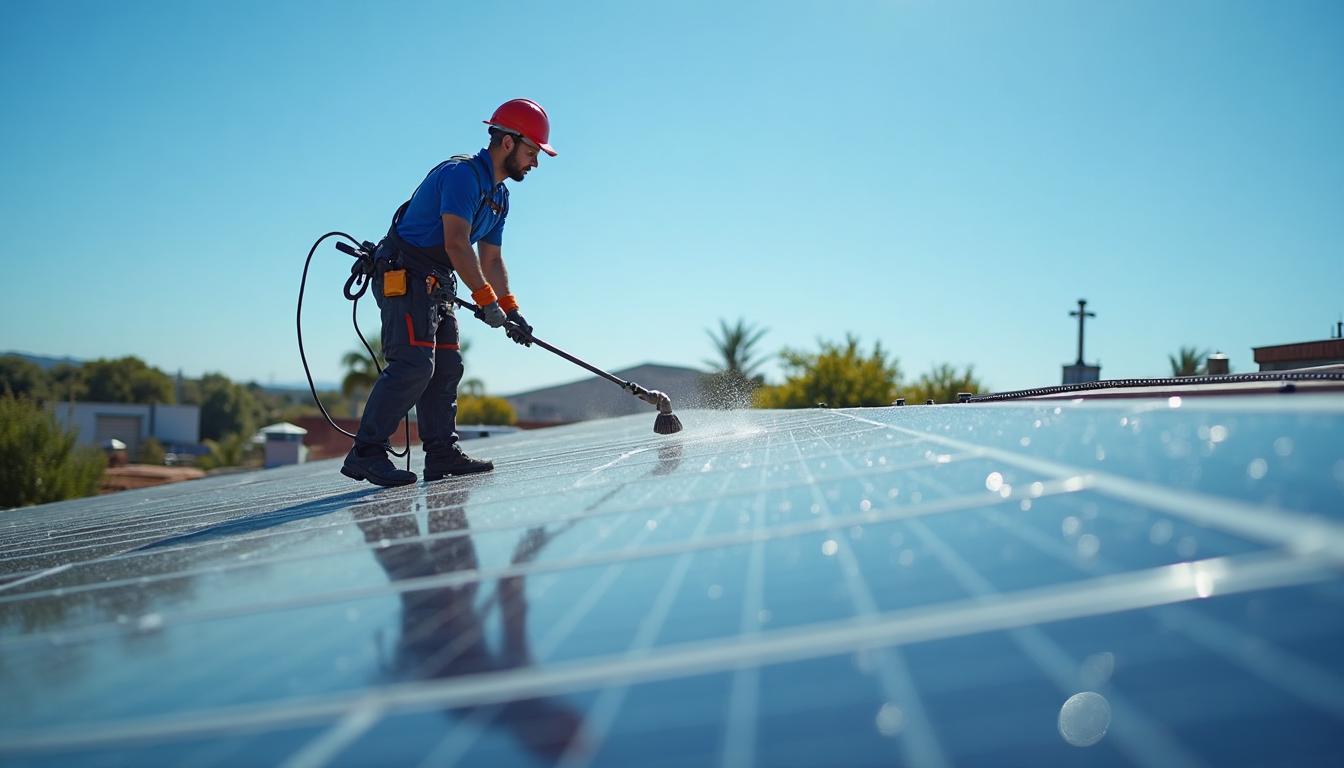
Quarterly: - Clean exterior glass with a soft brush or squeegee to remove dust and pollen - Check for debris accumulation around the skylight curb or flashing
Annually: - Inspect flashing and sealant for cracking or gaps - Clean and lubricate operating mechanisms on venting skylights - Check weep holes for blockage - Inspect interior finish around the light shaft for any water stain evidence
As Needed: - Replace failed seals (visible condensation between glass panes) - Re-flash if any evidence of water intrusion - Replace blinds or shades when worn
Finding a Skylight Installer in Sacramento
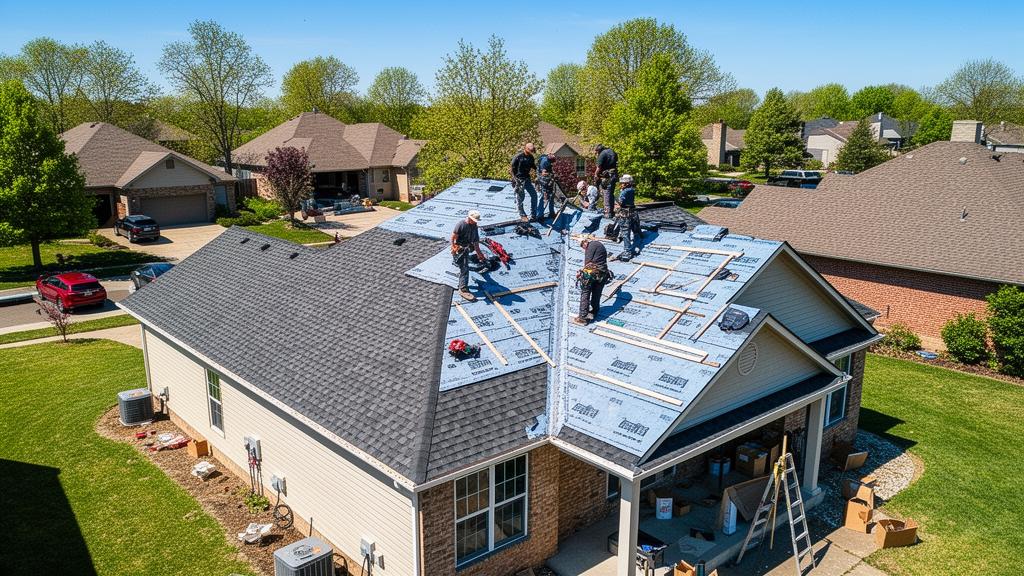
Skylight installation requires both roofing and carpentry expertise. Look for:
- CSLB License: California State License Board contractor license (C-39 Roofing or B General Building)
- Skylight Experience: At least 25 skylight installations completed
- Manufacturer Certification: VELUX 5-Star Installer or equivalent
- Warranty: Minimum 5-year workmanship warranty on installation
- Insurance: General liability and workers' compensation coverage
Find experienced skylight installers in Sacramento through our contractor directory.
Federal Tax Credits for Skylights
In 2026, ENERGY STAR certified skylights qualify for the federal Energy Efficient Home Improvement Credit:
- Credit Amount: 30% of product and installation costs
- Maximum: $600 per year for skylights (as part of the overall $1,200 annual home improvement credit limit)
- Requirements: Must be ENERGY STAR certified and installed in your primary residence
This credit can reduce the effective cost of a $3,000 skylight installation by $900—making the investment even more attractive.
Frequently Asked Questions
Do skylights leak? Modern skylights, when properly installed with quality flashing, should never leak. Most skylight leaks result from improper installation, not product failure. Choose an experienced installer to avoid this issue.
Will skylights make my house too hot in Sacramento summers? Not if you choose low SHGC rated skylights with proper shading. Low-E glazing and optional blinds keep solar heat gain manageable even in Sacramento's 100°F+ summers.
How long does skylight installation take? Most single skylight installations take 4–8 hours. Multiple skylights or installations requiring light shaft construction take 1–3 days.
Can I install a skylight in a bathroom without an exhaust fan? A venting skylight can serve as a code-compliant ventilation source for Sacramento bathrooms, potentially eliminating the need for a mechanical exhaust fan.
Conclusion
Skylights are an excellent investment for Sacramento homeowners, bringing abundant natural light into your home while adding architectural interest and energy efficiency. With the right product selection, proper installation, and available tax credits, skylights deliver lasting value in Sacramento's sunny climate.
Find skylight installation experts in California and brighten your Sacramento home today.