Slate Roofing in Philadelphia: Preserving Historic Homes with Modern Techniques
Philadelphia's Slate Roofing Heritage
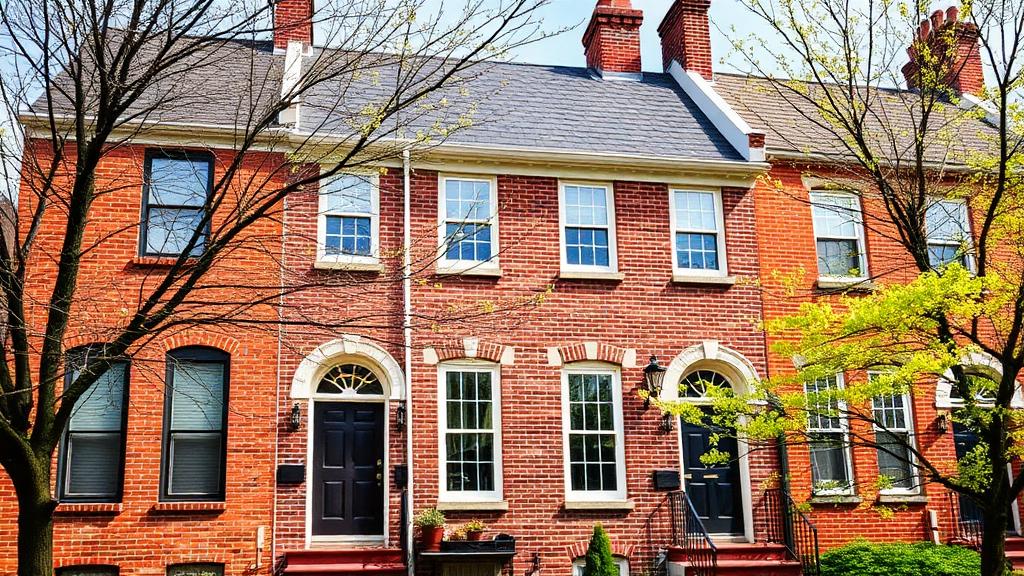
Philadelphia boasts one of the richest architectural legacies in America, and slate roofing is a cornerstone of that heritage. From the colonial row houses of Society Hill and Old City to the grand Victorians of Chestnut Hill and Germantown, natural slate has graced Philadelphia rooftops for over 300 years.
Today, maintaining and restoring these slate roofs requires specialized knowledge that combines traditional craftsmanship with modern building science. This guide covers everything Philadelphia homeowners need to know about slate roofing in 2026.
Understanding Your Philadelphia Slate Roof
Common Slate Types Found in Philadelphia:
- Pennsylvania Black Slate (Bangor): The most common type in Philadelphia, quarried from the Lehigh Valley. Lifespan of 75–100 years. Distinguished by its deep black-to-dark-gray color.
- Vermont Slate: Found on many higher-end Philadelphia homes. Available in greens, purples, and grays. Lifespan of 100–200 years depending on variety.
- Buckingham Slate: Quarried from nearby Bucks County. Dark blue-black color with excellent longevity (100+ years). Historically significant to the Philadelphia region.
- Peach Bottom Slate: From southern Pennsylvania/northern Maryland. Deep black color. Some of the longest-lasting slate available (150–200 years).
Age Indicators:: - Pre-1900 slate: Often hand-split with irregular thickness - 1900–1950 slate: Machine-trimmed, more uniform - Post-1950 slate: Standard sizes and consistent quality
Restoration vs. Replacement: Making the Right Decision
When Restoration Is Appropriate:: - Less than 20% of slates are damaged, missing, or deteriorating - Flashing is the primary failure point (replaceable without disturbing slate) - Slate passes the "knock test" (sounds solid, not hollow when tapped) - Nails are still holding firmly - Underlayment is in serviceable condition - The roof has remaining useful life (based on slate type and age)
When Full Replacement Is Necessary:: - More than 30% of slates are failing - Widespread nail sickness (rusted nails causing slates to slide) - Significant delamination or flaking across the roof - Deck boards are rotted or structurally compromised - Previous improper repairs have caused cascading damage - Cost of ongoing repairs exceeds replacement economics
Slate Roofing Costs in Philadelphia
Restoration/Repair Costs:: - Individual slate replacement: $50–$150 per slate (installed) - Flashing replacement: $800–$3,000 per area - Valley relining: $1,500–$4,000 per valley - Ridge cap repair: $30–$60 per linear foot - Comprehensive restoration: $8,000–$25,000
Full Replacement Costs:: - Standard Pennsylvania slate: $20,000–$40,000 - Vermont or premium slate: $35,000–$60,000+ - Synthetic slate alternative: $15,000–$30,000 - Copper flashing (recommended): $3,000–$8,000 additional
For a Typical Philadelphia Row Home (800–1,200 sq ft roof):: - Basic restoration: $5,000–$15,000 - Full replacement with PA slate: $15,000–$30,000 - Full replacement with premium slate: $25,000–$50,000
Get accurate estimates from verified Philadelphia roofing contractors.
Historic District Requirements in Philadelphia
Philadelphia has multiple historic districts with specific roofing requirements:
National Register Historic Districts:: - Society Hill, Old City, Fairmount, Germantown, and others - The Philadelphia Historical Commission (PHC) reviews exterior alterations - Slate-to-slate replacement generally required in historic districts - Material, color, and profile must match existing or documented original
Individual Historic Designations:: - Many Philadelphia homes are individually designated landmarks - Stricter review process for any roofing work - May require historical documentation before approval - PHC review can take 2–6 weeks
Practical Implications:: - Plan ahead — submit PHC applications well before your project start date - Work with contractors experienced in historic preservation permitting - Budget 10–20% additional for historic compliance requirements - Salvaged slate from your own roof can often be reused, reducing costs
Finding Qualified Slate Roofers in Philadelphia
Slate roofing is a specialized trade. Most general roofing contractors lack the expertise for proper slate work. Look for:
Essential Qualifications:: 1. Minimum 10 years of slate-specific experience in the Philadelphia area 2. Slate roofing certifications or apprenticeship completion 3. References from historic home projects in Philadelphia's designated districts 4. Knowledge of local building codes and PHC requirements 5. Proper insurance covering work on historic structures
Questions to Ask:: - What types of slate have you worked with? - Can you show me completed projects in Philadelphia's historic districts? - Do you have experience with the Philadelphia Historical Commission permitting process? - Do you salvage and reuse existing slate when possible? - What type of flashing do you recommend (copper is the gold standard)?
Browse top-rated roofing companies in Philadelphia to find experienced slate roofing specialists.
Common Philadelphia Slate Roof Problems
Nail Sickness:: Original cut nails or early wire nails rust over time, losing their grip. Slates begin sliding out of position. Solution: Systematic re-nailing with copper or stainless steel nails.
Flashing Failure:: Original tin or galvanized flashing deteriorates before the slate. Common failure points include chimneys, valleys, and wall intersections. Solution: Replace with 20-oz copper flashing.
Improper Previous Repairs:: Tar, caulk, or face-nailing by unqualified contractors causes more damage than the original problem. Solution: Careful removal and proper slate repair techniques.
Ice Dam Damage:: Philadelphia's freeze-thaw cycles can cause ice dams that lift slates and damage underlayment. Solution: Improve attic insulation and ventilation; install ice and water shield at eaves.
Maintenance Tips for Philadelphia Slate Roofs
Annual Inspection (Best in Late Spring):: - Binocular inspection from ground level - Check for slipped, cracked, or missing slates - Inspect flashing at chimneys and walls - Look for debris accumulation in valleys - Check gutters and downspouts for granule-free water flow (indicating slate health)
After Major Weather Events:: - Check for wind-displaced slates - Look for ice dam damage after winter thaws - Document any changes for insurance purposes
Every 5–10 Years:: - Professional on-roof inspection - Flashing condition assessment - Attic inspection for moisture issues - Tree trimming to prevent branch damage
Conclusion
Philadelphia's slate roofs are more than just building materials — they're living connections to the city's architectural history. Whether you're restoring a colonial row house in Society Hill or maintaining a Victorian mansion in Chestnut Hill, investing in proper slate roofing work preserves both your home's value and Philadelphia's irreplaceable character. Start by finding qualified slate roofers in Philadelphia.