Solar Roof Installation in Denver: Complete 2026 Cost & ROI Guide
Solar Roof Installation in Denver: What You Need to Know in 2026
Denver homeowners are increasingly turning to solar roofing as Colorado's commitment to renewable energy grows stronger every year. With over 300 days of sunshine annually, the Mile High City is one of the best locations in the United States for solar energy generation. But before you invest in a solar roof, you need to understand the costs, options, and return on investment specific to Denver's unique climate and market.
This comprehensive 2026 guide covers everything Denver homeowners need to know about solar roof installation—from choosing between solar shingles and traditional panels to navigating Colorado's generous tax incentives and rebate programs.
Why Denver Is Ideal for Solar Roofing
Denver's geographic position at 5,280 feet elevation means thinner atmosphere and more direct sunlight reaching your roof. Combined with Colorado's progressive renewable energy policies, Denver homeowners enjoy several advantages when going solar.
Solar Irradiance: Denver receives an average of 5.5 peak sun hours per day, significantly higher than the national average of 4.5 hours. This means your solar roof generates more electricity per panel than installations in most other U.S. cities.
State Incentives: Colorado offers a state tax credit of up to 10% on solar installations, stacking on top of the federal Investment Tax Credit (ITC) of 30%. Additionally, Denver's net metering program allows you to sell excess electricity back to Xcel Energy at retail rates.
Property Value: Studies from the Lawrence Berkeley National Laboratory show that homes with solar installations in Denver sell for an average of $15,000–$20,000 more than comparable homes without solar, making it both an environmental and financial investment.
Solar Shingles vs. Traditional Solar Panels in Denver
When considering solar for your Denver home, you have two primary options: integrated solar shingles (like Tesla Solar Roof or GAF Energy Timberline Solar) and traditional rack-mounted solar panels.
Solar Shingles
Solar shingles replace your existing roofing material entirely, creating a seamless, aesthetically pleasing appearance. They function as both your weatherproofing layer and your energy generation system.
Pros:: - Integrated design that looks like a conventional roof - Ideal for new construction or complete roof replacements - Better wind resistance (important for Denver's occasional high winds) - Higher property value impact due to curb appeal
Cons:: - Higher upfront cost ($40,000–$75,000 for a typical Denver home) - Fewer manufacturer options - Slightly lower efficiency per square foot compared to traditional panels
Traditional Solar Panels
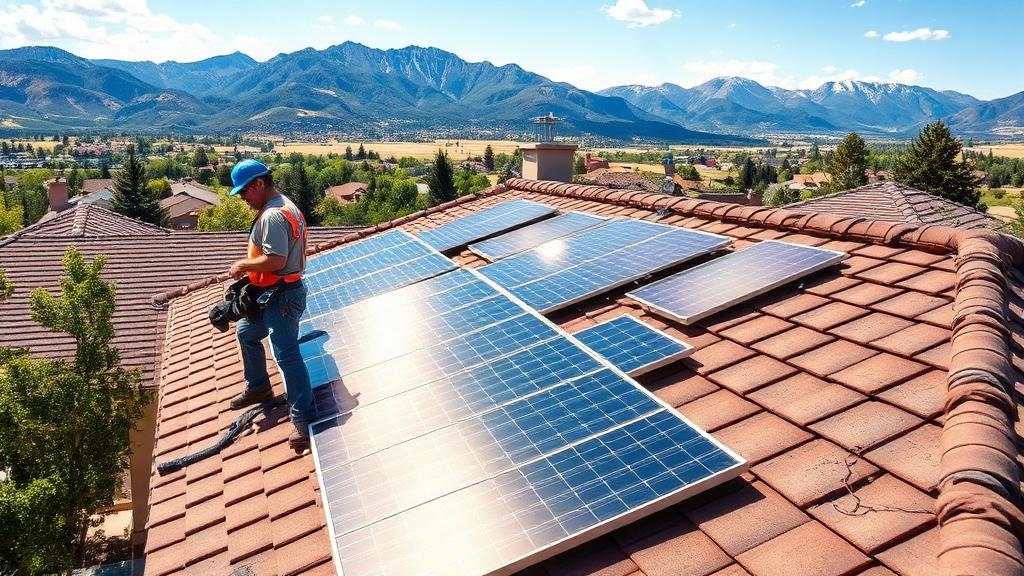
Rack-mounted panels sit on top of your existing roof and are the most common solar installation type in Denver.
Pros:: - Lower cost per watt ($15,000–$35,000 for most Denver homes) - Higher efficiency per square foot - Easier to replace or upgrade individual panels - More installer options and competitive pricing
Cons:: - Less aesthetically integrated - Requires structurally sound existing roof - Potential for roof penetration issues if not properly installed
2026 Solar Roof Costs in Denver
Understanding the full cost picture is essential for making an informed decision. Here's what Denver homeowners can expect to pay in 2026:
| System Type | Cost Range | Cost Per Watt | Typical System Size |
|---|---|---|---|
| Traditional Panels | $15,000–$35,000 | $2.50–$3.50 | 6–10 kW |
| Solar Shingles | $40,000–$75,000 | $5.00–$7.50 | 8–12 kW |
| Hybrid System | $25,000–$50,000 | $3.50–$5.00 | 7–11 kW |
These costs are before incentives. After applying the 30% federal ITC and Colorado's 10% state credit, your net cost drops significantly:
- Traditional Panels: $9,000–$21,000 after incentives
- Solar Shingles: $24,000–$45,000 after incentives
- Hybrid System: $15,000–$30,000 after incentives
Colorado Solar Incentives and Rebates in 2026
Denver homeowners benefit from one of the most favorable solar incentive landscapes in the country:
Federal Investment Tax Credit (ITC): The 30% federal tax credit remains available through 2032, allowing you to deduct 30% of your total solar installation cost from your federal taxes.
Colorado State Tax Credit: Colorado offers an additional state tax credit worth up to 10% of installation costs, with a maximum benefit that varies by system size.
Xcel Energy Rebates: Denver's primary utility provider, Xcel Energy, offers Solar*Rewards program rebates ranging from $0.02–$0.04 per kWh for the first 20 years of production.
Net Metering: Colorado's net metering law requires utilities to credit solar customers at the full retail electricity rate for excess power sent to the grid.
Property Tax Exemption: Colorado exempts the added value of solar installations from property tax assessments, meaning your property taxes won't increase despite the higher home value.
ROI and Payback Period for Denver Solar Roofs
The return on investment for solar in Denver is among the best in the nation. Here's how the numbers typically break down:
Average Electricity Savings: A 8 kW system in Denver generates approximately 11,500 kWh per year, saving homeowners $1,200–$1,600 annually at current electricity rates.
Payback Period: - Traditional panels: 6–9 years - Solar shingles: 12–18 years (but includes the cost of a new roof)
25-Year Savings: Over the typical 25-year warranty period, Denver homeowners save $30,000–$50,000 on electricity costs with traditional panels, and $25,000–$40,000 with solar shingles (accounting for the higher initial investment).
Choosing a Solar Roofing Contractor in Denver
Selecting the right contractor is critical for a successful solar installation. Here's what to look for:
Licensing and Certification: Ensure your contractor holds a Colorado electrical contractor license and is NABCEP (North American Board of Certified Energy Practitioners) certified.
Local Experience: Denver's altitude and weather patterns (including hail) require specific installation knowledge. Choose a contractor with at least 5 years of Denver-specific experience.
Warranty Coverage: Look for workmanship warranties of at least 10 years, in addition to manufacturer equipment warranties of 25 years.
Insurance and Bonding: Verify your contractor carries general liability insurance of at least $1 million and workers' compensation coverage.
For help finding qualified solar roofing contractors in Denver, use our directory to compare ratings, reviews, and specializations.
Denver-Specific Installation Considerations
Hail Resistance: Denver experiences frequent hailstorms, so your solar installation must be rated for impact resistance. Look for panels with IEC 61215 certification and a hail rating of at least 1-inch diameter at 50 mph.
Snow Load: Denver roofs must handle snow loads of 30–40 pounds per square foot. Your solar mounting system needs to accommodate this additional weight without compromising structural integrity.
Wind Rating: Denver experiences occasional high winds, especially along the Front Range. Solar installations should be rated for winds of at least 130 mph.
Roof Orientation: South-facing roofs in Denver produce the highest solar output, but southwest and southeast orientations still generate 85–95% of maximum production.
Frequently Asked Questions
How long does solar roof installation take in Denver? Traditional panel installation typically takes 1–3 days. Solar shingle installation (which includes a complete roof replacement) takes 1–2 weeks depending on roof size and complexity.
Do solar panels work in Denver's winter? Yes. While production decreases in winter months due to shorter days, Denver's clear skies mean solar panels still generate significant electricity year-round. Snow typically slides off panels quickly due to their angle and dark surface.
Can I install solar on a flat roof in Denver? Yes. Many Denver homes and commercial buildings have flat roofs. Ballasted mounting systems or tilted racking can be used to optimize solar production on flat surfaces.
What happens during a Denver hailstorm? Modern solar panels are tested to withstand 1-inch hail at 50 mph. Most manufacturers' warranties cover hail damage. However, adding your solar system to your homeowner's insurance policy is recommended.
Getting Started with Solar in Denver
Ready to explore solar roofing for your Denver home? Start by getting multiple quotes from licensed roofing contractors in Colorado. Compare system sizes, equipment brands, warranty terms, and total installed costs after incentives.
With Denver's abundant sunshine, generous state incentives, and rising electricity costs, 2026 is an excellent time to invest in solar roofing. Whether you choose traditional panels or integrated solar shingles, you'll be reducing your carbon footprint while building long-term home equity.