Hail Damage Roof Repair in Denver: Insurance Claims & Restoration Guide 2026
Hail Damage Roof Repair in Denver: Complete 2026 Guide
Denver and the Front Range corridor experience more damaging hailstorms than almost any other metropolitan area in the United States. Colorado's unique geography—where warm, moist air from the Gulf collides with cold air masses sweeping down from the Rockies—creates conditions that produce severe hailstorms with alarming frequency. For Denver homeowners, understanding how to identify, document, and repair hail damage is essential knowledge.
Denver's Hail Risk Profile
The Denver metro area sits squarely in what insurance professionals call "Hail Alley." The Front Range consistently ranks among the top regions in the country for hail damage insurance claims.
Denver Hail Statistics:: - Average of 7-10 significant hailstorms per year - Hail season peaks from May through August - Hailstones routinely exceed 1 inch in diameter - Colorado ranks #1 nationally for catastrophic hail events - Average residential hail claim in Colorado: $12,000-18,000 - 2023 hailstorms caused over $5 billion in insured losses statewide
Identifying Hail Damage on Your Roof
Not all hail damage is obvious from the ground. Professional inspection is essential, but understanding what to look for helps you know when to call for help.
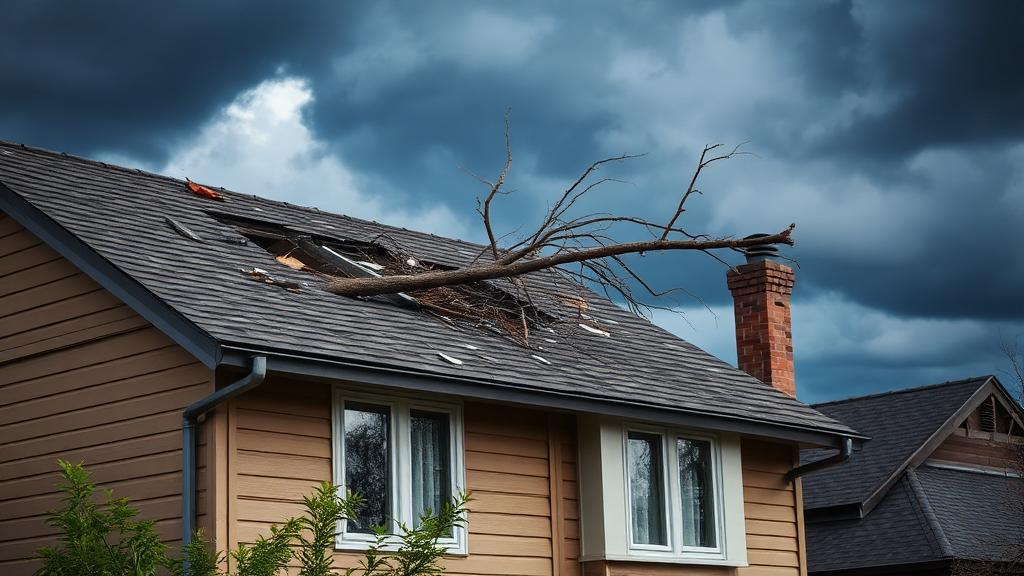
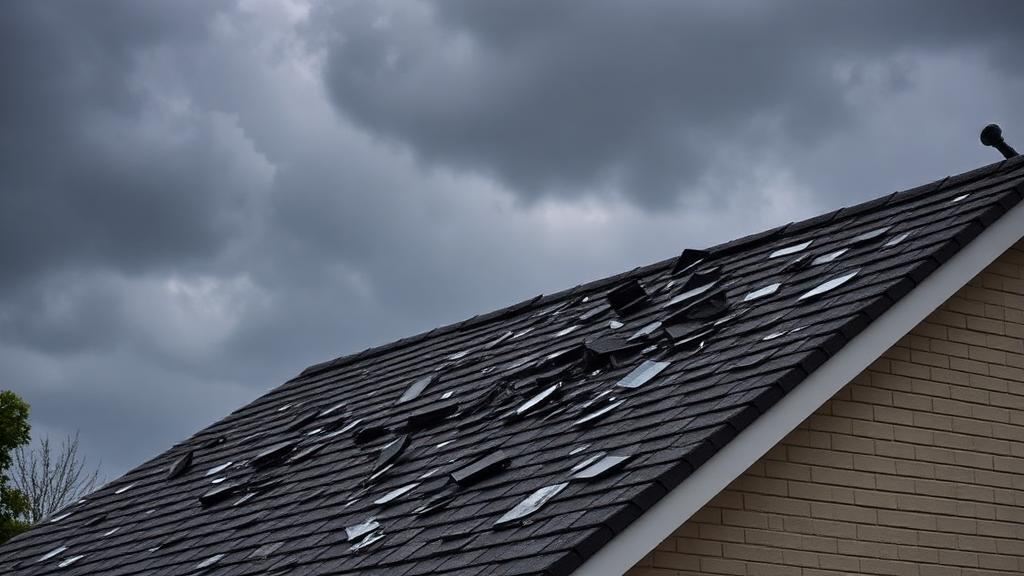
Signs of Hail Damage on Asphalt Shingles:: - Random pattern of dark spots (bruises) on shingle surface - Loss of granules exposing black asphalt substrate - Soft spots that feel like bruised fruit when pressed - Cracks or splits in the shingle mat - Dented or damaged metal flashing, vents, and gutters - Damage to other exterior surfaces (siding, window screens, AC units)
Signs on Other Materials:: - Metal roofing: Visible dents and dimples in panels - Tile roofing: Cracked, chipped, or shattered tiles - Wood shakes: Splits, cracks, and impact marks along grain - Flat roofing: Punctures, tears, and granule loss on cap sheets
Filing a Hail Damage Insurance Claim
Navigating the insurance claim process can be daunting, but following a systematic approach maximizes your chances of a fair settlement.
Step-by-Step Claim Process:: 1. Document damage immediately with photographs and video 2. File your claim as soon as possible (Colorado has a 1-year limitation) 3. Get a professional roof inspection from a reputable contractor 4. Be present when the insurance adjuster inspects your roof 5. Review the adjuster's report carefully and compare to contractor estimate 6. Negotiate if the claim seems inadequate 7. Consider a public adjuster if you disagree with the settlement 8. Never sign a contract contingent on insurance payment amount
Impact-Resistant Roofing Materials
After experiencing hail damage, many Denver homeowners wisely upgrade to impact-resistant materials that qualify for insurance premium discounts.
Class 4 Impact-Resistant Options:: - GAF StormGuard, Timberline AS II - CertainTeed NorthGate - Owens Corning Duration FLEX - Atlas StormMaster Slate - Metal roofing (inherently impact-resistant) - Synthetic slate and shake products
Insurance Discounts for Class 4 Shingles:: - Colorado law requires insurers to offer discounts for Class 4 materials - Typical discounts range from 15-35% on the wind/hail portion of premium - Discount typically pays for the premium over standard shingles within 3-5 years
Choosing a Denver Hail Damage Contractor
The aftermath of a major hailstorm brings a flood of out-of-state storm chasers into Denver. Protecting yourself from unscrupulous contractors is as important as repairing your roof.
Red Flags to Watch For:: - Door-to-door solicitation immediately after storms - Offering to waive your insurance deductible (illegal in Colorado) - Pressuring you to sign a contract immediately - No local business address or permanent presence - Unable to provide Colorado contractor registration - Requesting full payment upfront before work begins
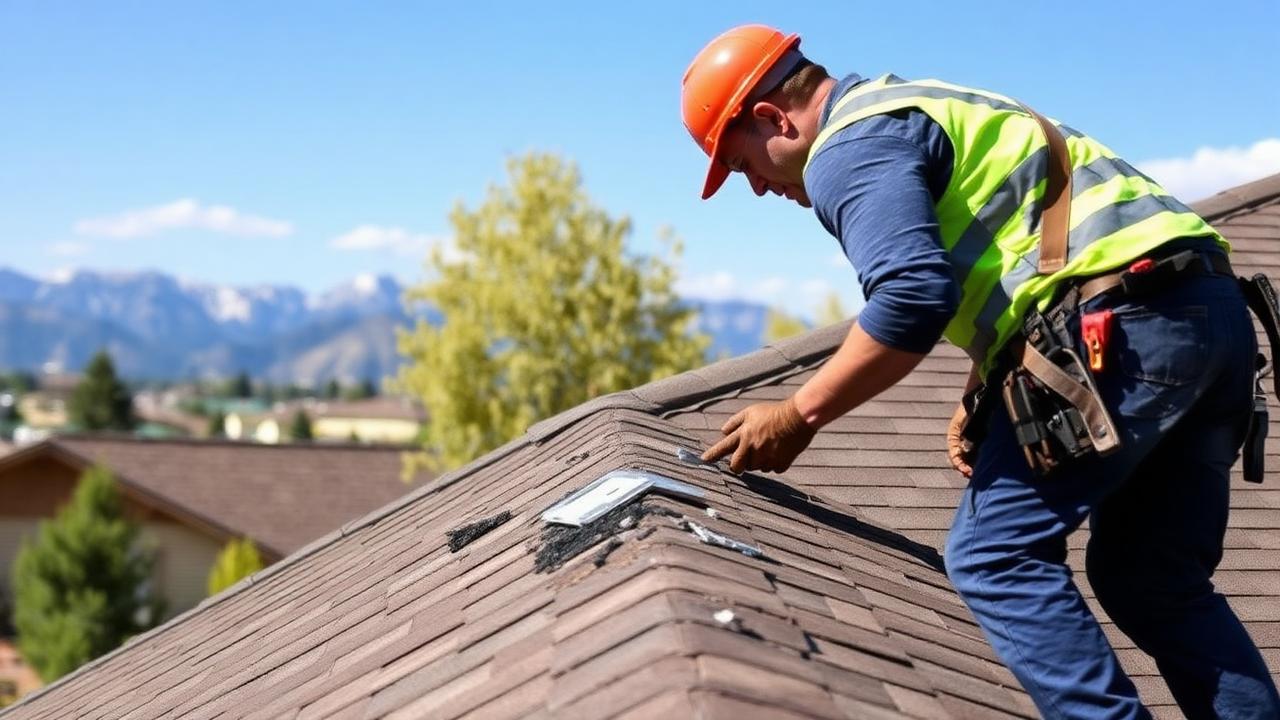
What to Look For in a Contractor:: - Established local presence in Denver/Front Range area - Colorado contractor registration in good standing - Minimum 5 years of experience in Denver market - Manufacturer certifications (GAF Master Elite, CertainTeed SELECT, etc.) - Positive reviews from verified local customers - Willingness to work directly with your insurance company - Written warranty on both materials and labor
Conclusion
Hail damage is an inevitable reality of homeownership in Denver, but it doesn't have to be a nightmare. By understanding how to identify damage, navigate the insurance process, and select quality materials and contractors, you can turn a hail event into an opportunity to upgrade your roof with superior, impact-resistant materials. Start by connecting with a trusted Denver roofing contractor for a professional post-storm inspection.