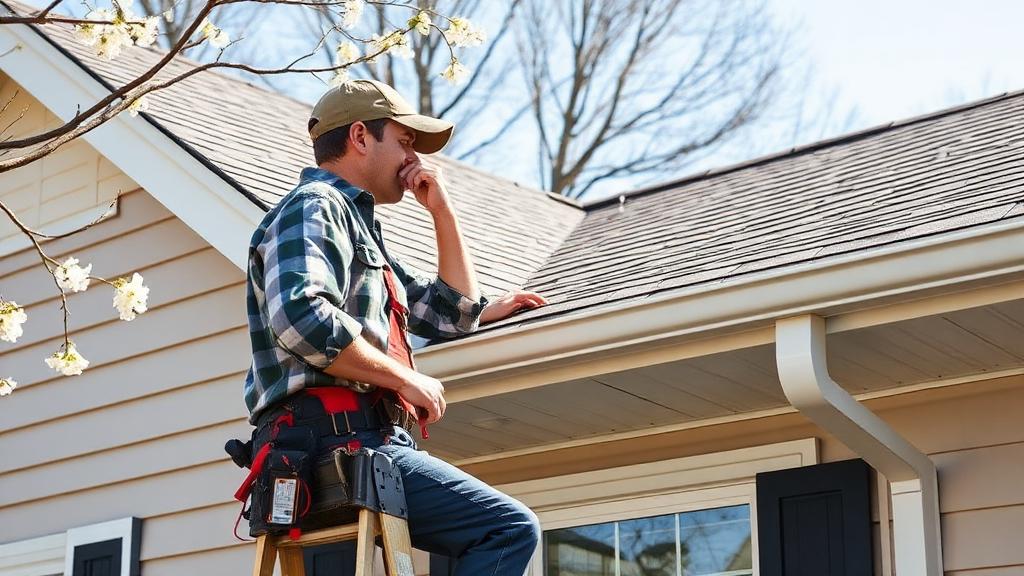
Spring Roof Inspection Checklist 2026: The Ultimate Homeowner Guide
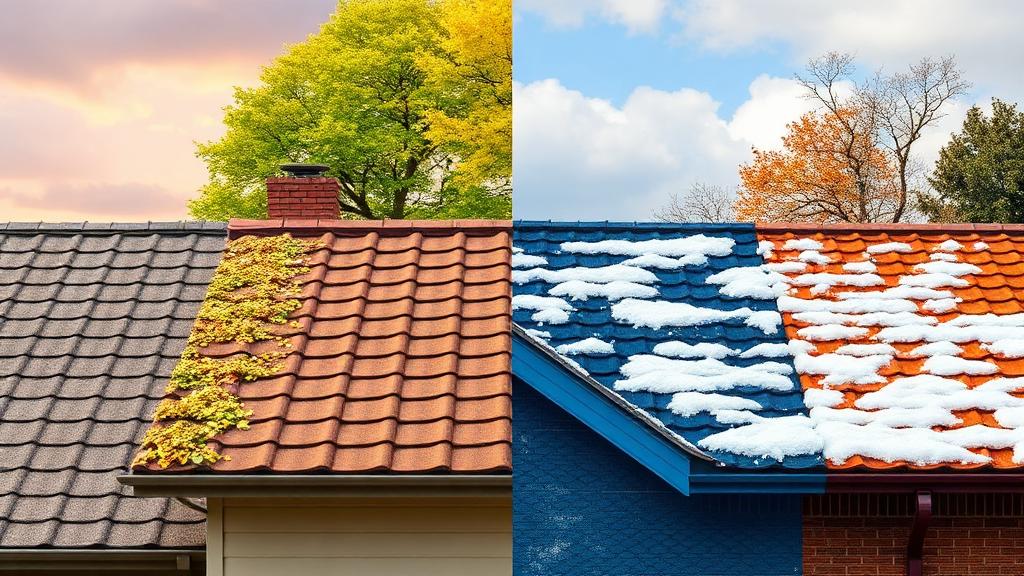
Why Spring Roof Inspections Are Critical
As winter's grip loosens across the country, spring presents the ideal window to assess your roof's condition. Winter storms, ice accumulation, freeze-thaw cycles, and heavy snow loads can cause damage that isn't immediately visible but will worsen rapidly if left unaddressed.
According to the National Roofing Contractors Association (NRCA), homeowners should inspect their roofs at least twice per year—once in spring and once in fall. A thorough spring inspection can catch small issues before they become major (and expensive) problems.
Before You Start: Safety First
Before climbing on your roof or even a ladder, establish safety protocols:
- Never inspect alone. Always have someone nearby who knows you're on the roof.
- Check weather conditions. Avoid wet, windy, or icy conditions. Morning dew can make shingles dangerously slick.
- Use proper equipment. A sturdy extension ladder with stabilizer arms, non-slip footwear, and a safety harness for steep-pitch roofs.
- Know your limits. If your roof pitch exceeds 6:12 or you're uncomfortable with heights, hire a professional. A typical professional inspection costs $150–$400—far less than an emergency room visit.
For most homeowners, a ground-level inspection with binoculars can reveal many issues without ever leaving the ground.
Exterior Inspection Checklist
1. Shingles and Surface Material
Walk the perimeter of your home and scan the roof surface for:
- Missing shingles: High winds during winter storms are the #1 cause. Even one missing shingle exposes the underlayment to UV and moisture.
- Cracked or curling shingles: Indicates age-related deterioration or thermal cycling damage.
- Granule loss: Check gutters and downspout exits for excessive granule accumulation. Heavy granule loss means your shingles are nearing end-of-life.
- Lifted or popped nails: Freeze-thaw cycles can work nails out of the decking. Lifted nails create entry points for water.
- Blistering or bubbling: Trapped moisture beneath the shingle surface, often caused by poor ventilation.
- Moss or algae growth: While not immediately structural, organic growth retains moisture and accelerates shingle deterioration.
Action threshold:: If more than 10% of shingles show damage, consider a full replacement evaluation. Isolated damage (1–5 shingles) can typically be repaired for $150–$500.
2. Flashing and Sealants
Flashing protects the most vulnerable areas of your roof—transitions, penetrations, and valleys. Inspect:
- Chimney flashing: Look for separation between step flashing and the chimney masonry. Caulk degradation is common after winter.
- Vent pipe boots: Rubber boots crack and split over time, especially after extreme cold. This is one of the most common leak sources.
- Valley flashing: Ensure metal valley flashing hasn't shifted, buckled, or developed rust spots.
- Wall-to-roof transitions: Check where the roof meets a vertical wall (dormers, second stories). Kick-out flashing should direct water into gutters, not down the wall.
- Skylight seals: Inspect the perimeter sealant and weep drainage channels around skylights.
Pro tip:: Use a caulk gun with high-quality roofing sealant (not silicone) to touch up minor flashing gaps. For major flashing failures, call a professional—improper flashing repair is a leading cause of persistent leaks.
3. Gutters and Downspouts
Your gutter system is integral to roof health. Spring inspection should include:
- Clean all debris. Remove leaves, twigs, and shingle granules that accumulated over winter.
- Check for ice damage. Ice dams and heavy icicles can pull gutters away from the fascia, bend hangers, and crack seams.
- Verify slope and drainage. Water should flow freely to downspouts with no pooling. Proper slope is ¼ inch per 10 feet of gutter run.
- Inspect downspout extensions. Ensure water discharges at least 4–6 feet from the foundation.
- Look for rust or corrosion. Steel gutters are prone to rust at seams and inside corners.
Clogged or damaged gutters cause fascia rot, soffit damage, foundation erosion, and basement flooding—all far more expensive to repair than gutter maintenance.
4. Soffit and Fascia
The soffit (underside of the roof overhang) and fascia (vertical board at the roof edge) are often overlooked:
- Peeling paint or staining: Indicates moisture intrusion from above—often from ice dam damage.
- Soft or spongy wood: Press firmly on fascia boards. Soft spots indicate rot that needs immediate attention.
- Animal entry points: Squirrels, raccoons, and birds frequently exploit winter-damaged soffits for nesting.
- Blocked ventilation: Soffit vents should be clear of insulation blowback and debris.
5. Ventilation Systems
Proper attic ventilation is crucial for roof longevity and energy efficiency:
- Ridge vents: Ensure they're not blocked by debris or ice dam residue.
- Soffit intake vents: Confirm air can flow freely from soffits to ridge.
- Powered ventilators: Test operation and thermostat settings for the warm season.
- Turbine vents: Spin them by hand to verify free rotation.
Inadequate ventilation leads to heat buildup that prematurely ages shingles and creates conditions for ice dams the following winter.
Interior Inspection Checklist
6. Attic Inspection
Your attic tells the story your roof exterior can't:
- Water stains on rafters or decking: Trace stains upward to find the leak source (water often travels along rafters before dripping).
- Daylight through the decking: Even small pinpoints of light indicate holes that allow water entry.
- Mold or mildew: Black or green spots on wood surfaces indicate chronic moisture problems, often ventilation-related.
- Insulation condition: Wet, compressed, or displaced insulation reduces R-value and can indicate roof leaks.
- Animal evidence: Droppings, nests, or chewed materials signal unwanted attic guests.
7. Interior Ceilings and Walls
Inside your living spaces, look for:
- Water stains on ceilings: Yellow or brown rings, especially on upper-floor ceilings.
- Peeling paint or bubbling wallpaper: Near the ceiling line, this often traces to roof leaks.
- Musty odors: A persistent musty smell in upstairs rooms can indicate hidden moisture from slow roof leaks.
When to Call a Professional
Schedule a professional inspection if you notice any of the following:
- Multiple missing or damaged shingles (more than 5–10)
- Visible sagging in the roofline
- Active leaks or fresh water stains
- Flashing failure at chimneys or valleys
- Your roof is over 15 years old (asphalt) or 25 years old (metal)
- You experienced significant storms during winter
A professional inspector will assess the remaining lifespan of your roof, identify hidden damage, provide repair vs. replacement recommendations, and give you a documented report for insurance purposes.
Spring Maintenance Tasks After Inspection
Once your inspection is complete, tackle these maintenance items:
- Trim overhanging branches. Keep tree limbs at least 6 feet from the roof surface to prevent abrasion and debris accumulation.
- Apply moss treatment. If you have moss or algae, apply zinc-based treatment strips or spray solutions.
- Replace worn caulk and sealant. Use polyurethane-based roofing caulk (not silicone) for long-term adhesion.
- Clear debris from roof valleys. Valleys collect leaves and pine needles that trap moisture.
- Schedule gutter guard installation. If you're tired of annual cleanings, consider micro-mesh gutter guards ($8–$15 per linear foot installed).
Cost of Common Spring Repairs
| Repair | Average Cost |
|---|---|
| Replace 1–10 shingles | $150–$500 |
| Flashing repair | $200–$600 |
| Vent pipe boot replacement | $75–$250 |
| Gutter repair/reattachment | $150–$450 |
| Fascia board replacement | $300–$800 |
| Professional inspection | $150–$400 |
| Full gutter cleaning | $100–$300 |
Create Your Annual Roof Maintenance Schedule
The best way to maximize your roof's lifespan is consistent, scheduled maintenance:
- March/April: Comprehensive spring inspection (this checklist)
- May: Address all identified repairs before summer storms
- September/October: Fall inspection focused on pre-winter preparation
- November: Final gutter cleaning before freeze
- As needed: Post-storm damage checks after significant weather events
A well-maintained roof can exceed its rated lifespan by 5–10 years, saving you thousands in premature replacement costs.
Find a Trusted Roof Inspector Near You
Need a professional spring inspection? Search our directory of verified roofing professionals to find licensed, insured inspectors in your area. Read reviews, compare services, and book with confidence.