Standing Seam Metal Roof: Complete Guide to Costs, Pros, and Cons in 2026
Standing Seam Metal Roofing: The Premium Choice for 2026
Standing seam metal roofing has become one of the fastest-growing segments in the residential roofing market, with installations increasing 15% year-over-year since 2022. Known for its sleek appearance, exceptional durability, and energy efficiency, standing seam has moved far beyond commercial and agricultural buildings into mainstream residential use.
This comprehensive 2026 guide covers everything you need to know about standing seam metal roofing—from costs and installation to long-term performance and whether the premium investment is worth it for your home.
What Is Standing Seam Metal Roofing?
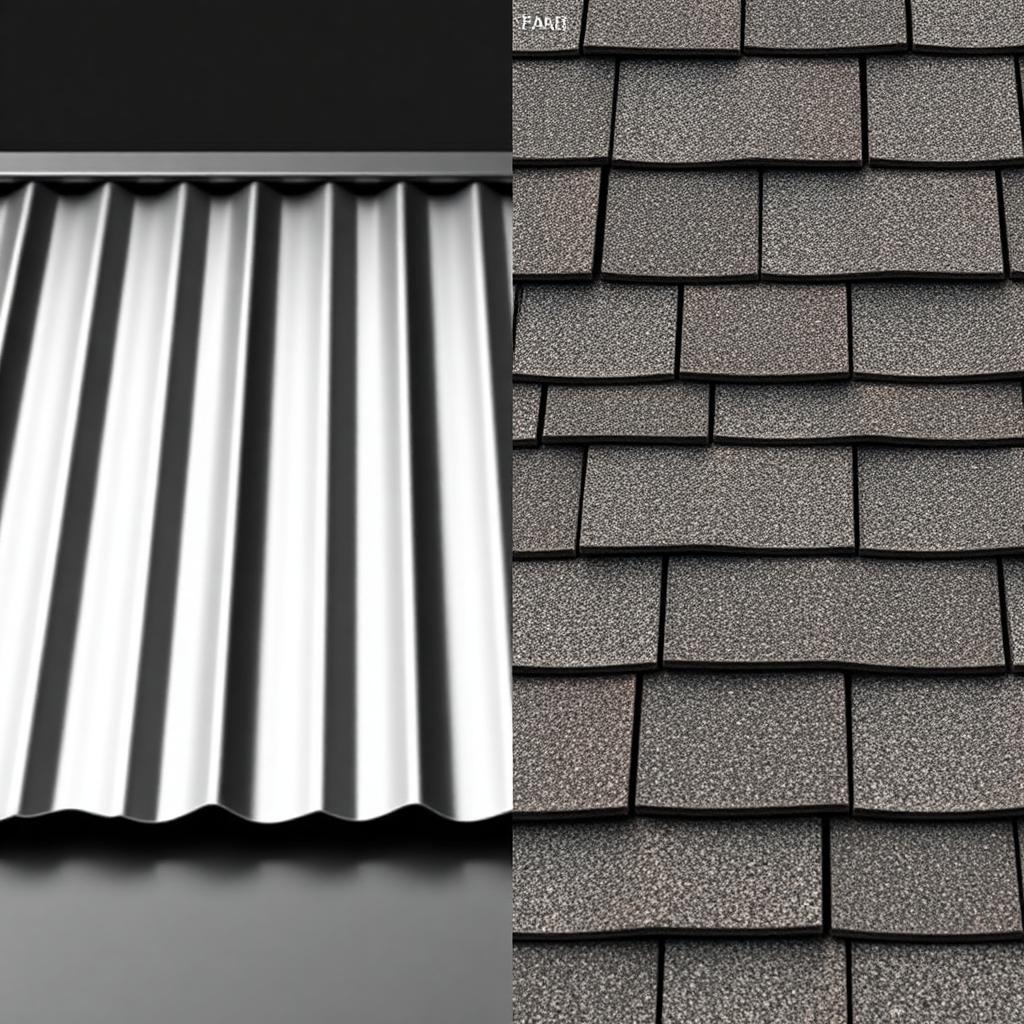
Standing seam is a premium metal roofing system characterized by raised interlocking seams that connect adjacent panels. Unlike exposed-fastener metal roofing (where screws penetrate the panel surface), standing seam conceals all fasteners beneath the seam, creating a clean appearance and eliminating potential leak points.
Key Characteristics
- Panel width: Typically 12–18 inches
- Seam height: ¾ inch to 2 inches above the panel surface
- Panel length: Custom-fabricated to exact roof measurements (often 20–40+ feet)
- Attachment: Concealed clips that allow thermal expansion/contraction
- Materials: Steel (most common), aluminum, copper, zinc
Standing Seam vs. Exposed Fastener Metal
| Feature | Standing Seam | Exposed Fastener |
|---|---|---|
| Fastener visibility | Hidden | Visible screws on surface |
| Leak potential | Very low (no surface penetrations) | Moderate (fastener holes can leak) |
| Thermal movement | Clips allow expansion | Screws restrict movement |
| Aesthetics | Premium, clean lines | Utilitarian, industrial |
| Cost | $8–$16/sq ft | $4–$8/sq ft |
| Lifespan | 40–70 years | 25–40 years |
| Maintenance | Near zero | Periodic fastener tightening |
Standing Seam Costs in 2026
Material Costs
- 24-gauge steel panels: $3.50–$6.00 per square foot
- 22-gauge steel panels: $5.00–$8.00 per square foot
- Aluminum panels: $5.00–$9.00 per square foot
- Copper panels: $15.00–$25.00 per square foot
- Zinc panels: $12.00–$20.00 per square foot
Installed Costs (Materials + Labor)
- Steel standing seam: $8.00–$14.00 per square foot
- Aluminum standing seam: $10.00–$16.00 per square foot
- Copper standing seam: $20.00–$35.00 per square foot
- Zinc standing seam: $18.00–$30.00 per square foot
Total Project Costs
For a typical 2,000-square-foot roof:
| Material | Total Installed Cost |
|---|---|
| Steel (24-gauge) | $16,000–$28,000 |
| Steel (22-gauge) | $20,000–$32,000 |
| Aluminum | $20,000–$32,000 |
| Copper | $40,000–$70,000 |
What Drives Cost Variations?
1. Gauge (thickness):: Heavier gauge = more material cost + more labor for bending and installation 2. Coating system: Kynar 500/PVDF coatings (30+ year color warranty) cost more than standard SMP coatings (15–20 year warranty) 3. Roof complexity: Hips, valleys, dormers, and multiple penetrations increase labor significantly 4. Geographic location: Labor rates vary 30–50% between markets 5. Panel profile: Snap-lock vs. mechanical seam (mechanical seam costs more but is more secure in high-wind areas)
Pros of Standing Seam Metal Roofing
1. Exceptional Longevity
Standing seam is one of the longest-lasting residential roofing options available:
- Steel: 40–60 years with quality coating
- Aluminum: 50–75+ years (no corrosion)
- Copper: 80–100+ years (develops distinctive patina)
- Zinc: 60–100 years (self-healing surface)
Compare this to architectural asphalt shingles at 20–30 years, and the long-term value becomes clear.
2. Near-Zero Maintenance
After installation, standing seam requires almost no maintenance:
- No shingle replacement
- No re-caulking
- No granule loss or UV degradation
- Occasional visual inspection (annually recommended)
- Debris removal from valleys (if applicable)
Over a 50-year period, maintenance savings versus asphalt can total $10,000–$20,000.
3. Superior Weather Performance
Standing seam excels in severe weather:
- Wind resistance: UL 580 Class 90 standard (160+ mph for many products)
- Hail resistance: UL 2218 Class 4 (most systems)
- Fire resistance: Class A (non-combustible)
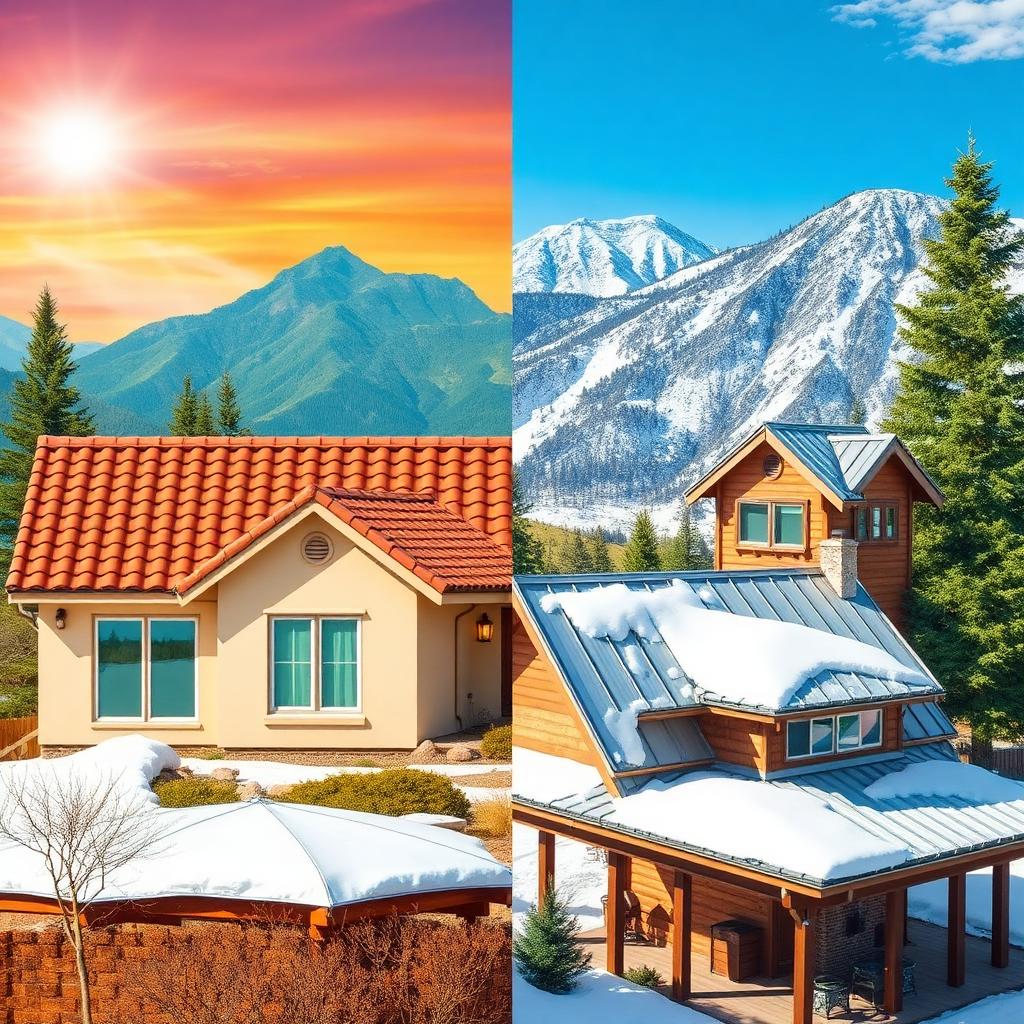
- Snow shedding: Smooth surface allows snow to slide off, reducing structural load
- Rain performance: Raised seams channel water efficiently; no exposed fastener holes
4. Energy Efficiency
Metal roofing's reflective properties deliver measurable energy savings:
- Cool metal roof coatings reflect 50–70% of solar radiation
- Reduced cooling costs: 10–25% savings in warm climates
- Many products qualify for Energy Star certification
- Potential tax credits for qualifying energy-efficient roofing
5. Sustainability
Standing seam is the most environmentally friendly roofing option:
- 25–95% recycled content (steel and aluminum)
- 100% recyclable at end of life (vs. asphalt shingles in landfills)
- Reduces urban heat island effect with reflective coatings
- Compatible with solar panel mounting (special clamps attach without roof penetrations)
6. Insurance Discounts
Many insurers offer premium discounts for metal roofing:
- Impact-resistant rating: 5–35% discount depending on location and insurer
- Fire resistance: Additional discounts in wildfire-prone areas
- Wind resistance: Discounts in coastal and hurricane-prone regions
- Annual savings: $200–$1,200 depending on coverage and location
7. Curb Appeal and Home Value
Standing seam adds significant aesthetic and financial value:
- Modern architectural appeal: Clean lines complement contemporary, farmhouse, craftsman, and modern designs
- Color retention: Kynar/PVDF coatings maintain color for 30+ years with minimal fading
- ROI: 85–95% cost recovery at resale (among the highest of any exterior improvement)
- Buyer appeal: Increasingly sought after by homebuyers who recognize long-term value
Cons of Standing Seam Metal Roofing
1. High Upfront Cost
The most significant barrier. Standing seam costs 2–3x more than asphalt shingles upfront. While the long-term economics favor metal, the initial investment is substantial.
2. Oil Canning
Oil canning is a visible waviness in flat areas of metal panels. It's an aesthetic issue, not structural:
- Causes: Thermal expansion, panel handling, substrate imperfections
- Mitigation: Striations (pencil ribs) in the panel face reduce visibility. Heavier gauge steel is more resistant.
- Reality: Some degree of oil canning is inherent to flat metal surfaces and is not a manufacturing defect.
3. Noise
Metal roofs are louder during rain and hail than asphalt or tile:
- Mitigation: Proper solid deck (plywood/OSB), underlayment, and attic insulation reduce noise to negligible levels
- In practice: Modern installations with proper substrate are only marginally louder than asphalt
4. Denting
While standing seam resists most hail, large hailstones (2+ inches) can cause cosmetic dents:
- Dents don't affect performance or water resistance
- Thicker gauge steel (22-gauge vs. 26-gauge) resists denting better
- Stone-coated steel options hide minor denting beneath the stone surface
5. Repair Complexity
If a panel is damaged, repair is more complex than replacing an asphalt shingle:
- Individual panels may need to be un-seamed and replaced
- Color matching can be challenging for aged panels
- Specialized contractors are required (not every roofer works with standing seam)
6. Limited Contractor Pool
Not all roofing contractors have standing seam experience:
- Improper installation negates all benefits
- Ensure your contractor has specific metal roofing certifications and portfolio
- Use our contractor directory to find verified metal roofing specialists
Choosing the Right Standing Seam Profile
Snap-Lock
- Panels snap together during installation
- No special seaming tools required
- Good for moderate-slope roofs (3:12 and above)
- More cost-effective installation
- Suitable for most residential applications
Mechanical Seam (Single or Double Lock)
- Panels are mechanically crimped together with a seaming tool
- Superior wind uplift resistance
- Required for low-slope applications (1:12 to 3:12)
- Recommended for high-wind zones (coastal areas, hurricane regions)
- Higher installation cost
Batten Seam
- Panels are capped with a separate batten or cap piece
- Distinctive architectural profile
- More complex installation
- Popular in historic and high-end residential applications
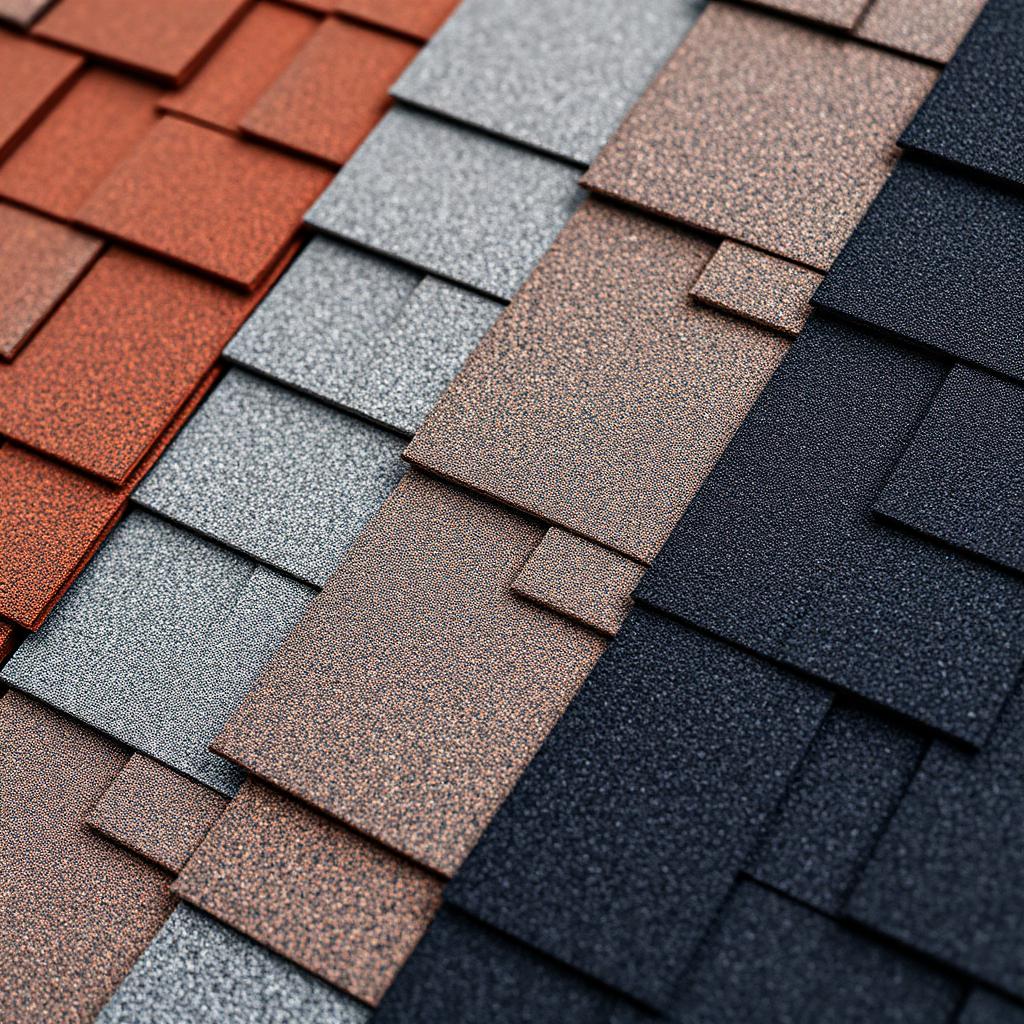
Color and Finish Options
Coating Systems
Kynar 500 / Hylar 5000 (PVDF):: - Premium fluoropolymer coating - 30–40 year color warranty - Exceptional chalk and fade resistance - Industry standard for residential standing seam
SMP (Silicone Modified Polyester):: - Budget-friendly coating - 15–25 year warranty - Good performance for moderate exposures - More limited color palette
Popular Colors for 2026
- Matte Black: The most popular residential color—dramatic, modern, pairs with any architectural style
- Charcoal Gray: Versatile, sophisticated, excellent for contemporary and craftsman homes
- Dark Bronze: Warm, earthy tone popular in mountain and wooded settings
- Slate Blue: Distinctive without being bold, growing in popularity
- Forest Green: Classic choice for rural and traditional homes
- Galvalume (Natural): The raw metallic finish for industrial and modern aesthetic
Is Standing Seam Worth the Investment?
The Math
For a homeowner planning to stay 15+ years, standing seam almost always wins:
50-Year Cost Comparison (2,000 sq ft roof): - Asphalt shingles: $12,000 initial + $15,000 replacement (year 25) + $8,000 maintenance = $35,000 - Standing seam steel: $22,000 initial + $1,000 maintenance = $23,000
Net savings with standing seam: $12,000 plus energy savings of $5,000–$15,000 plus insurance savings of $5,000–$15,000.
The Verdict
Standing seam metal is worth the investment if: - You plan to stay in your home 10+ years - You value low maintenance and long-term savings - Your home's architecture suits the standing seam aesthetic - You want maximum weather protection and energy efficiency
Find Standing Seam Metal Roofing Contractors
Ready to explore standing seam for your home? Search for certified metal roofing installers in your area to get expert consultations, compare quotes, and find contractors with verified metal roofing experience and certifications.