Metal Roofing in Tennessee: Benefits, Costs, and Installation Guide
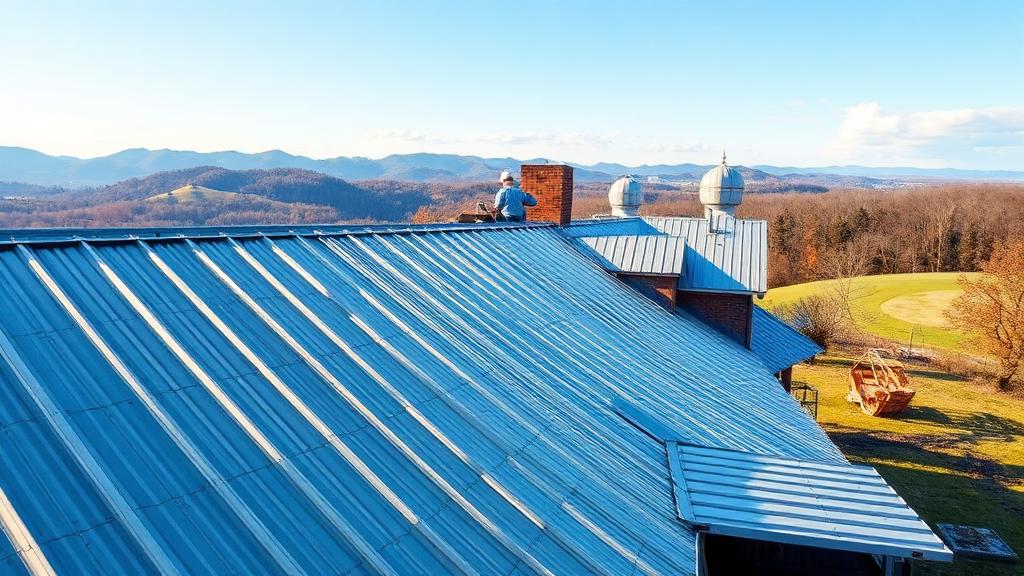
Metal roofing has grown increasingly popular across Tennessee, offering superior durability, energy efficiency, and long-term value for homeowners. Understanding the benefits, costs, and installation considerations helps you decide if metal is right for your home.
Why Metal Works in Tennessee
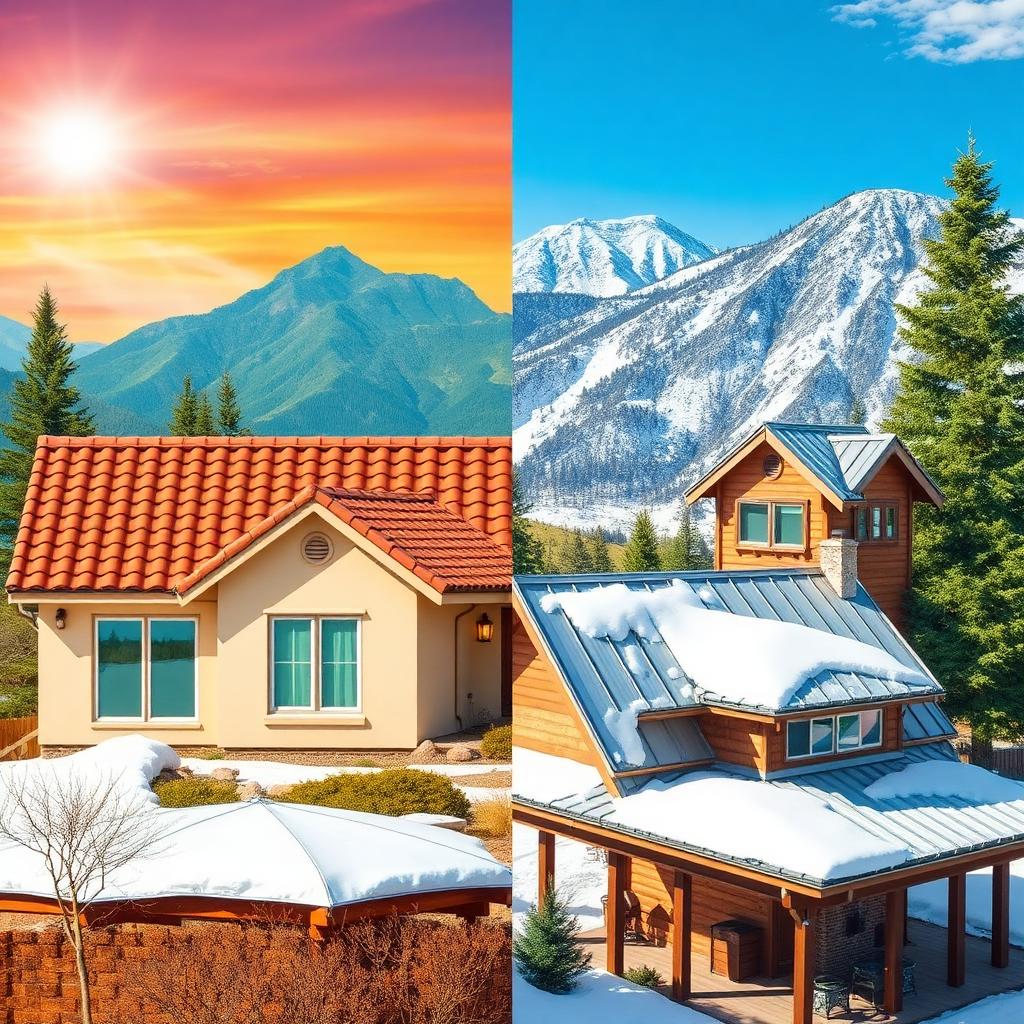
Metal roofing addresses several Tennessee climate challenges:
Storm Resistance: Properly installed metal roofs withstand winds up to 140+ mph, far exceeding Tennessee code requirements. Metal sheds hail more effectively than asphalt, reducing impact damage.
Heat Reflection: Light-colored metal roofs reflect solar radiation, reducing attic temperatures by 20-30 degrees. This translates to lower cooling costs during hot Tennessee summers.
Moisture Handling: Metal naturally resists moisture problems that plague asphalt in humid climates. No organic material means no mold or rot concerns.
Longevity: Quality metal roofs last 50+ years compared to 15-25 for asphalt. This longevity provides excellent long-term value despite higher initial costs.
Metal Roofing Types
Standing Seam: Premium option with concealed fasteners. Panels connect with raised seams providing superior weather protection. Best for contemporary and traditional homes alike.
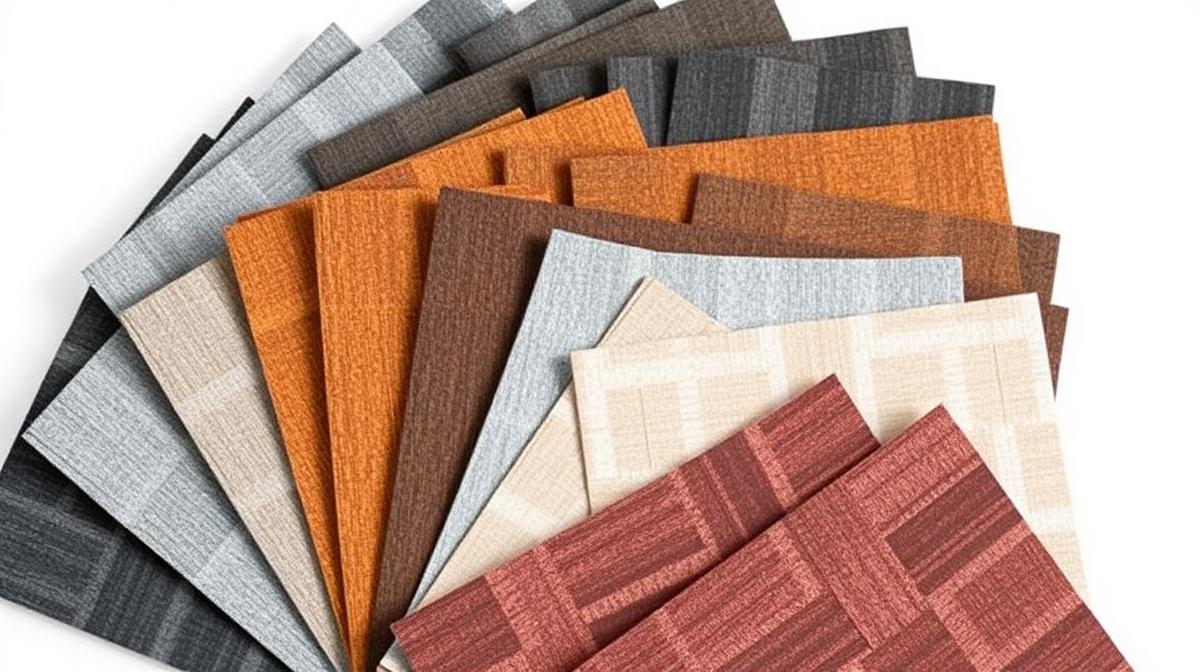
Stone-Coated Steel: Combines steel durability with granular coating mimicking shingles, shakes, or tile. Popular for homeowners wanting metal benefits with traditional appearance.
Metal Shingles: Individual panels resembling traditional shingles. Easier installation than standing seam with good wind resistance.
Corrugated Metal: Most economical option. Common on agricultural buildings and some residential applications. Exposed fasteners require more maintenance.
Cost Considerations
Metal roofing costs vary significantly by type:
- Corrugated metal: $4-8 per square foot installed
- Metal shingles: $7-12 per square foot installed
- Stone-coated steel: $9-15 per square foot installed
- Standing seam: $10-18 per square foot installed
While initial costs exceed asphalt by 2-3 times, the 50+ year lifespan often makes metal more economical long-term. Many homeowners also see immediate energy savings of 10-25% on cooling costs.
Installation Considerations
Deck Requirements: Most metal can install over solid deck like asphalt. Some types allow installation over existing shingles, saving tear-off costs.
Noise Concerns: Modern metal roofs with proper underlayment and insulation are no louder than other materials during rain.
Thermal Movement: Metal expands and contracts with temperature changes. Professional installation accounts for this movement.
Finding Qualified Installers
Metal roofing requires specialized skills. Look for contractors with:
- Metal-specific training and certification
- Established metal roofing experience
- References from metal roof installations
- Manufacturer certifications for chosen products
Conclusion
Metal roofing offers Tennessee homeowners superior durability, energy efficiency, and long-term value. Work with experienced metal roofing contractors for best results.
Ready to explore metal roofing? Find Tennessee metal roofing specialists in your area.