
Hail-Resistant Solar Panels for Texas: Protecting Your Investment from Severe Weather
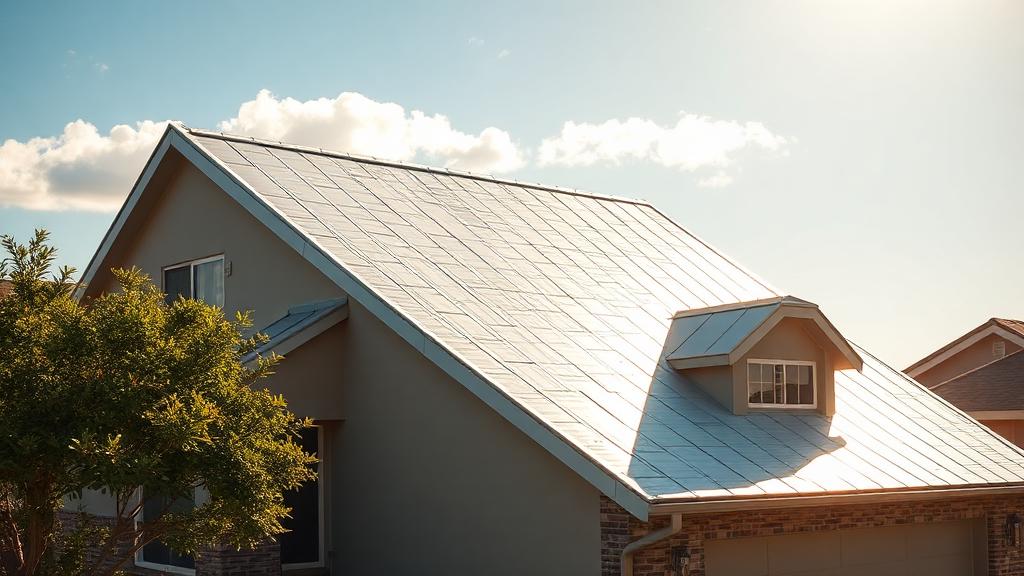
Texas homeowners investing in solar roofing face significant hail exposure that can damage or destroy solar installations in minutes. The Lone Star State experiences more large hail events than almost any other state, making hail resistance a critical consideration for solar investments. This comprehensive guide helps Texas homeowners understand hail risks, select appropriate equipment, and protect their solar investments from severe weather damage.
Understanding Texas Hail Risk
Texas hail exposure varies by region and creates meaningful risks for solar installations.
Geographic Risk Distribution: North Texas, Central Texas, and the Panhandle experience the highest hail frequency and severity. Dallas-Fort Worth, Waco, and Amarillo areas regularly see golf ball to softball-sized hail capable of destroying standard solar panels. South Texas and the Gulf Coast experience less frequent and generally smaller hail, though damaging events still occur.
Seasonal Patterns: Texas hail season peaks from March through June, with secondary activity in fall months. Severe storms producing large hail typically occur during afternoon and evening hours when atmospheric instability peaks. Understanding seasonal patterns helps with preparation and inspection timing.
Hail Size and Damage Potential: Quarter-sized hail (1 inch diameter) can crack solar panel glass and dent frames. Golf ball-sized hail (1.75 inches) frequently causes significant panel damage. Tennis ball to softball-sized hail (2.5-4+ inches) destroys most standard solar panels completely.
Economic Impact: Hail damage to solar systems can exceed $10,000-$30,000 for complete system replacement, not including potential roof damage. Insurance typically covers hail damage but deductibles, depreciation policies, and claim processing create real costs for homeowners.
Hail Resistance Ratings Explained
Understanding rating systems helps evaluate panel durability claims.
UL 1703 Hail Testing: The UL 1703 standard includes hail impact testing at three levels. Level 1 tests resistance to 25mm (1 inch) ice balls at terminal velocity. Level 2 tests 35mm (1.38 inch) impacts. Level 3 tests 45mm (1.77 inch) impacts, equivalent to golf ball-sized hail.
IEC 61215 Testing: This international standard tests panels with 25mm (1 inch) ice balls at 23 m/s (51 mph) velocity, roughly equivalent to terminal velocity for that size hail. Most quality panels meet this baseline standard.
Extended Testing: Some manufacturers conduct testing beyond standard requirements, using larger ice balls or higher velocities. Premium hail-resistant panels may be tested with 50mm (2 inch) or larger projectiles to demonstrate enhanced durability.
Real-World Limitations: Standard testing uses spherical ice balls at controlled velocities, while real hail may be irregularly shaped and arrive at varying angles and speeds during storms. Laboratory ratings provide relative comparisons but do not guarantee survival of all real-world impacts.
Panel Selection for Texas Conditions
Choosing appropriate panels significantly affects hail survival rates.
Glass Thickness Considerations: Standard solar panels use 3.2mm tempered glass. Some manufacturers offer 4.0mm or thicker glass options providing enhanced impact resistance. Thicker glass adds weight and cost but significantly improves hail survival.
Glass Composition Options: Beyond thickness, glass composition affects durability. Textured glass used for light capture may be more susceptible to fracturing than smooth glass. Some manufacturers offer specially formulated glass with enhanced impact resistance.
Frame and Edge Protection: Robust aluminum frames protect panel edges where impacts often cause damage. Thicker frame profiles with rounded edges distribute impact forces better than thin profiles with sharp edges. Frame quality affects overall panel rigidity and impact resistance.
Cell Technology Considerations: Different cell technologies respond differently to mechanical stress. Larger cells may crack more easily than smaller cells. Half-cut and shingled cell designs may handle localized impacts better by isolating damage to smaller areas.
Manufacturer Hail Warranties: Some manufacturers specifically warranty against hail damage while others exclude it or impose conditions. Review warranty terms carefully, understanding that hail exclusions may leave you dependent on homeowners insurance for damage coverage.
Top Hail-Resistant Panel Options
Several manufacturers offer panels designed or tested for enhanced hail resistance.
SunPower Maxeon Panels: SunPowers solid copper foundation technology and robust construction have demonstrated good hail performance in real-world events. Their premium positioning includes comprehensive warranties, though terms should be verified for hail specifics.
LG NeON Series: LGs high-quality construction and thick tempered glass provide good impact resistance. While LG exited the solar market, existing installations benefit from their quality construction.
REC Alpha Series: REC panels feature heterojunction technology with robust construction. Their N-type cell technology and quality manufacturing provide enhanced durability.
Canadian Solar HiDM/BiKu: Canadian Solar offers various panel lines with different construction quality levels. Their higher-tier products provide better impact resistance than economy lines.
Texas-Specific Recommendations: For high-risk areas like Dallas-Fort Worth, investing 10-20% more in premium panels with documented hail resistance often provides better long-term value than economy panels requiring more frequent replacement.
Installation Techniques for Hail Protection
Installation approaches can enhance hail resistance.
Tilt Angle Considerations: Steeper tilt angles may reduce direct perpendicular impacts from hail falling vertically, though this benefit is marginal for most hail events and must be balanced against production optimization and wind loading.
Edge Protection: Ensuring panels are mounted with proper edge protection prevents impacts from concentrating forces at vulnerable edges. Proper racking installation maintains designed edge clearances.
Mounting System Quality: Quality mounting systems maintain panel rigidity during impacts, preventing flexing that can crack glass. Cheap or improperly installed mounting allows panels to flex excessively under impact.
Conduit and Component Protection: Exposed conduit, junction boxes, and other components are also vulnerable to hail damage. Proper protection and routing minimize exposed component damage.
Supplemental Protection Options
Additional protection measures may be appropriate for highest-risk situations.
Protective Covers: Some companies offer deployable covers that protect panels during storms. These systems typically require manual deployment before storms or automated weather-triggered systems. Practicality and cost-effectiveness vary.
Netting Systems: Mesh or netting systems can intercept hail before it strikes panels. These permanent installations add ongoing maintenance requirements and may slightly reduce solar production but provide continuous protection.
Insurance Optimization: Rather than physical protection, some homeowners optimize insurance coverage to ensure full replacement cost protection with reasonable deductibles. This approach accepts damage risk while ensuring financial recovery.
Insurance Considerations for Texas Solar
Proper insurance protection is essential for Texas solar investments.
Homeowners Policy Coverage: Solar installations are typically covered under homeowners insurance as attached structures or improvements. Verify your policy specifically covers solar equipment and understand coverage limits, deductibles, and replacement cost versus actual cash value provisions.
Hail and Wind Deductibles: Many Texas policies impose separate hail and wind deductibles, often as percentages of dwelling coverage rather than flat amounts. A 2% hail deductible on a $400,000 policy equals $8,000, potentially exceeding solar repair costs for minor damage.
Replacement Cost vs. ACV: Policies providing actual cash value (depreciated value) rather than replacement cost leave homeowners covering the depreciation gap when replacing damaged equipment. Ensure your policy provides replacement cost coverage for solar equipment.
Claim History Considerations: Filing hail claims may affect future premiums or policy availability in Texas competitive insurance market. Consider the long-term implications of claims when deciding whether to file for minor damage.
Specialty Solar Coverage: Some insurers offer specialty solar coverage or riders providing enhanced protection for solar equipment. These may offer lower deductibles or broader coverage terms than standard homeowners policies.
Pre-Storm Preparation
Proactive preparation minimizes damage and simplifies recovery.
Documentation Maintenance: Maintain current photographs of your solar installation from multiple angles. This documentation supports insurance claims and contractor assessments after damage occurs. Update photos annually and after any system modifications.
Emergency Contact List: Maintain contact information for your solar installer, insurance company, and emergency services. Having contacts readily available speeds post-storm response.
Weather Monitoring: Subscribe to severe weather alerts for your area. Advance warning allows system shutdown and any deployable protection measures if applicable. Apps from the National Weather Service and commercial providers offer customizable alerts.
System Familiarity: Understand how to safely shut down your solar system if needed. While routine shutdown is not necessary before storms, knowing emergency procedures provides options if situations warrant.
Post-Storm Assessment
Proper assessment after hail events protects your investment.
Safety First: After severe storms, ensure conditions are safe before inspecting your property. Downed power lines, structural damage, and continued severe weather create hazards. Wait for safe conditions before approaching your solar installation.
Visual Inspection: Once safe, visually inspect panels for obvious damage including cracked or shattered glass, displaced panels, damaged frames, or debris accumulation. Document all observations with photographs before touching anything.
Subtle Damage Detection: Hail can cause microcracks in cells that are not visible to casual inspection but reduce performance. Professional inspection with appropriate equipment can identify hidden damage not visible to homeowners.
Professional Assessment: Schedule professional inspection after any significant hail event, even if no damage is visible. Trained inspectors using appropriate techniques identify damage that homeowners may miss.
Production Monitoring: Compare post-storm production data to historical patterns. Significant production drops may indicate damage even if panels appear intact. Monitoring systems facilitate this comparison.
Insurance Claim Process
Navigating claims efficiently maximizes recovery.
Prompt Notification: Report potential damage to your insurer promptly, even before completing damage assessment. Timely notification preserves your claim rights and begins the process.
Documentation Submission: Provide insurers with pre-storm photographs, post-storm photographs, professional inspection reports, and installation documentation. Comprehensive documentation supports claim approval and appropriate valuation.
Estimate Comparison: Obtain repair or replacement estimates from qualified solar contractors. Compare these estimates to insurer assessments and negotiate if significant discrepancies exist.
Repair Quality Assurance: Ensure repairs or replacements use appropriate equipment and installation quality. Cutting corners on replacement creates future problems. Verify replacement panels meet or exceed original specifications.
Conclusion
Texas hail exposure creates real risks for solar investments, but proper panel selection, installation quality, and insurance protection mitigate these risks effectively. Investing in hail-resistant panels and maintaining appropriate insurance coverage protects your solar investment through Texas severe weather seasons. The combination of quality equipment and financial protection provides confidence that your solar system will deliver value regardless of weather events.
Build storm-ready. Browse Texas solar installers for experienced professionals who understand Texas hail protection requirements.