
Texas Solar Roofing Guide: Lone Star State Installation Strategies for Maximum Energy Independence
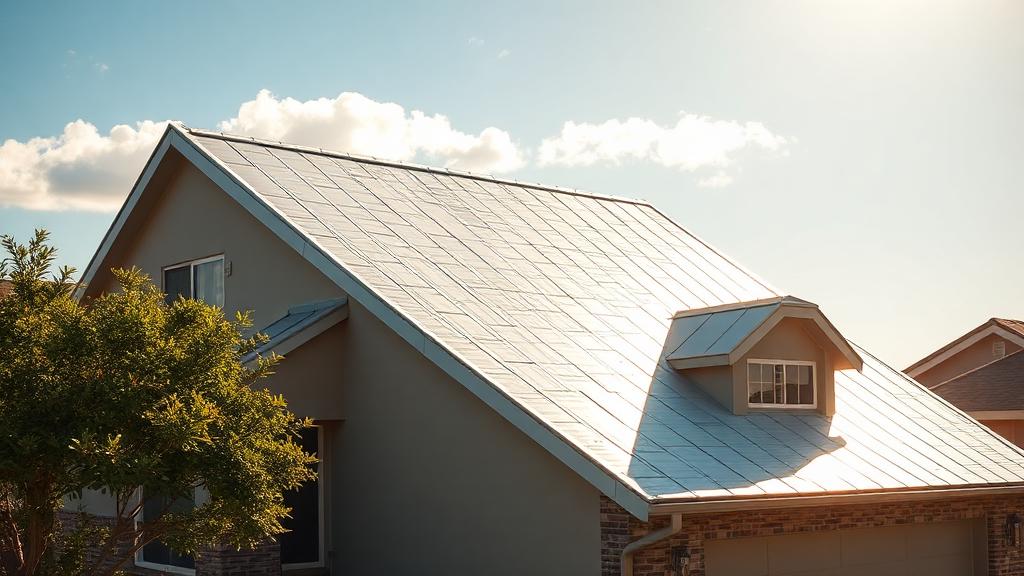
Texas homeowners considering solar roofing enter one of Americas most dynamic and unique energy markets. The Lone Star States abundant sunshine, independent grid system, and competitive electricity markets create distinctive opportunities and considerations for solar investment. This comprehensive guide walks Texas homeowners through every aspect of solar roofing installation, from understanding the ERCOT grid to maximizing financial returns in the Texas energy landscape.
Why Texas Leads for Solar Energy
Texas has emerged as a national solar leader, and the fundamentals driving this growth benefit residential solar homeowners.
Exceptional Solar Resource: Texas receives 4.5 to 6.5 peak sun hours daily depending on location, with West Texas and the Panhandle exceeding 6.0 hours and the Gulf Coast averaging closer to 5.0 hours. Even the cloudier eastern regions receive substantially more sunshine than many northern states. This abundant resource translates directly into higher energy production per installed dollar.
Massive Electricity Consumption: Texas leads the nation in electricity consumption, driven by extensive air conditioning needs, large homes, and high summer temperatures that create electricity bills exceeding $300-500 monthly for many households. Solar installations can offset these substantial costs, creating meaningful savings that justify investment.
Competitive Electricity Markets: Most Texans can choose their electricity provider through the deregulated retail market, creating price competition but also price volatility. Solar provides price stability by generating your own power regardless of retail electricity price fluctuations.
Property Value Benefits: Studies show Texas solar installations increase home values by 3-4% on average, with premium positioning in competitive housing markets. Buyers increasingly seek energy-efficient homes with lower operating costs.
Understanding the ERCOT Grid
Texas operates its own independent electrical grid, creating unique solar considerations.
ERCOT Independence: The Electric Reliability Council of Texas (ERCOT) manages the Texas grid independently from the national interconnected grids. This independence provides regulatory flexibility but also means Texas cannot easily import power during shortages, as demonstrated during Winter Storm Uri in February 2021.
Grid Reliability Concerns: Recent grid stress events have increased Texas homeowner interest in energy independence. Solar with battery storage provides backup capability during grid outages, addressing reliability concerns that other states with interconnected grids face less acutely.
Demand Response Opportunities: ERCOTs market structure creates opportunities for solar and storage systems to participate in demand response programs that provide compensation for reducing grid load during peak demand periods. These programs enhance solar economics beyond simple energy savings.
Solar Impact on Grid: Growing residential solar adoption affects grid management, particularly during sunny spring days when solar production peaks while demand remains relatively low. Understanding grid dynamics helps homeowners optimize system sizing and usage patterns.
Texas Electricity Market Navigation
Texas deregulated electricity markets require strategic navigation for solar homeowners.
Retail Provider Considerations: Solar homeowners must choose retail providers offering favorable terms for solar customers. Some providers offer net metering or bill credit programs while others do not accommodate solar exports well. Research provider options carefully before and after solar installation.
Net Metering Availability: Texas does not mandate statewide net metering, leaving policies to individual utilities and retail providers. Some areas, particularly those served by municipal utilities or cooperatives, offer traditional net metering. Competitive retail areas typically offer buyback programs with varying terms.
Buyback Program Variations: In deregulated areas, retail providers may purchase excess solar production at wholesale rates (typically $0.02-0.06 per kWh) rather than retail rates. Some providers offer more favorable solar buyback rates as competitive differentiation. Compare buyback terms when selecting providers.
Time-of-Use Opportunities: Some Texas providers offer time-of-use rates that value electricity differently by time of day. Solar systems can optimize against these rate structures, generating power during high-rate periods and potentially storing energy for evening peak rates with battery systems.
Solar Panel Performance in Texas Heat
Texas extreme temperatures affect solar panel performance and system design considerations.
Temperature Effects on Output: All solar panels lose efficiency as temperatures rise, typically 0.3-0.5% output reduction per degree Celsius above 25 degrees C (77 degrees F). Texas roof surfaces regularly exceed 70 degrees C (158 degrees F) during summer, significantly impacting panel output during the hottest hours.
Temperature Coefficient Importance: Panel specifications include temperature coefficients indicating efficiency loss per degree of temperature increase. Premium panels with lower temperature coefficients (around -0.30%/degree C) outperform economy panels (-0.45%/degree C or higher) in Texas heat, producing 5-10% more energy over their lifespan.
Mounting and Ventilation: Proper mounting with adequate airflow between panels and roof surfaces helps moderate operating temperatures. Flush-mount systems that trap heat perform worse in Texas than systems allowing convective cooling beneath panels. Balance heat management against aesthetic and wind resistance considerations.
Seasonal Production Patterns: Texas solar production peaks in spring and fall when sunshine is abundant but temperatures remain moderate. Summer production may fall 10-15% below optimal due to heat effects, though total energy generation remains high due to long daylight hours. Winter production drops due to shorter days but benefits from cooler temperatures.
Hail Protection Strategies
Texas experiences significant hail events that can damage solar installations.
Hail Frequency and Severity: North Texas, Central Texas, and the Panhandle experience frequent severe hail, with events producing golf ball to softball-sized stones that can destroy standard solar panels. Coastal and far South Texas face less hail risk but still experience occasional damaging events.
Impact Resistance Ratings: Solar panels carry hail impact ratings based on standardized testing. Class 3 ratings (impact from 1.75 inch ball at 52 mph) and Class 4 ratings (impact from 2 inch ball at 52 mph) indicate resistance to progressively larger hail. Texas installations should prioritize Class 3 or higher ratings.
Premium Panel Selection: Some manufacturers engineer panels specifically for hail resistance using thicker glass, reinforced frames, and enhanced encapsulation. These premium panels cost 10-20% more but provide significantly better hail survival rates in Texas conditions.
Insurance Considerations: Solar system damage from hail typically falls under homeowners insurance, but policies vary regarding coverage terms, deductibles, and replacement cost provisions. Understand your coverage before installation and consider whether coverage adjustments are appropriate.
Financial Incentives for Texas Solar
Multiple incentives improve Texas solar economics despite limited state programs.
Federal Investment Tax Credit: The 30% federal ITC applies fully to Texas installations, providing $6,000-$10,000 in tax credits for typical residential systems. This credit remains the most significant incentive available to Texas homeowners and applies through 2032 at the current rate.
Property Tax Exemption: Texas exempts 100% of solar installation value from property taxes, meaning your solar system increases home value without increasing property tax bills. This exemption applies automatically in most jurisdictions without requiring application.
Utility Rebate Programs: Some Texas utilities and cooperatives offer solar rebates, though programs vary and change periodically. Austin Energy has offered attractive rebates historically. Check with your specific utility for current program availability.
Rural Electric Cooperative Programs: Many Texas rural electric cooperatives offer solar programs for their members, sometimes including installation partnerships or favorable interconnection terms. Contact your cooperative directly to understand available options.
System Sizing for Texas Consumption
Texas high energy consumption creates specific sizing considerations.
Consumption Analysis: Review 12 months of electricity bills to understand your seasonal usage patterns. Texas homes typically show peak consumption in July-August due to air conditioning, with secondary peaks possible in winter heating months for some areas.
Oversizing Considerations: Given less favorable buyback rates in many Texas markets, sizing systems to avoid significant excess production often makes financial sense. However, if you anticipate adding electric vehicles or other loads, building in extra capacity during initial installation costs less than adding later.
Roof Space Realities: Large Texas homes often have substantial roof areas, but not all roof sections face optimal directions or remain unshaded. Site assessments identify usable roof space and optimal panel placement to maximize production from available area.
Battery Storage Integration: Given ERCOT reliability concerns and variable buyback rates, battery storage increasingly appeals to Texas homeowners. Batteries provide backup power during outages while allowing strategic energy shifting to maximize solar value. Factor storage potential into system design even if not installing batteries immediately.
Installation Process in Texas
Texas solar installation follows established processes with some state-specific considerations.
Permitting Variations: Texas permitting requirements vary significantly by jurisdiction. Major metros like Houston, Dallas, Austin, and San Antonio have streamlined solar permitting, while smaller jurisdictions may have less established processes. Experienced installers navigate local requirements efficiently.
HOA Considerations: Texas law protects solar installation rights against unreasonable HOA restrictions, but associations can impose reasonable requirements regarding placement and appearance. Review your HOAs guidelines before finalizing system design and work with installers experienced in HOA negotiations.
Utility Interconnection: Connecting your solar system to the grid requires utility approval and inspection. Requirements and timelines vary by utility, with some taking 2-4 weeks and others taking longer. Your installer manages this process but timelines affect when your system becomes fully operational.
Installation Timeline: Physical installation typically requires 1-3 days for residential systems. Combined with permitting, inspection, and interconnection, expect 4-8 weeks from contract signing to operational system in most Texas markets.
Choosing Texas Solar Installers
Installer selection significantly impacts system performance and long-term satisfaction.
Texas Licensing Requirements: Texas requires solar contractors to hold appropriate electrical contractor licenses. The Electrical Safety and Licensing Act governs installer qualifications. Verify license status through the Texas Department of Licensing and Regulation before contracting.
Experience and Scale Considerations: Texas markets include national installers, regional companies, and local contractors. Each model offers different advantages regarding pricing, service, and stability. Evaluate installer track records and references regardless of company size.
Warranty and Service Coverage: Compare warranty terms carefully, including equipment warranties, workmanship warranties, and roof penetration warranties. Ensure warranty providers have sustainable business models and Texas service presence to honor long-term commitments.
Multiple Quote Best Practice: Obtain at least three quotes from qualified installers to understand pricing ranges and equipment options. Significant price variations typically reflect differences in equipment quality, installation practices, or company sustainability rather than simple markup differences.
Long-Term Maintenance in Texas
Texas conditions require specific maintenance attention for optimal performance.
Dust and Pollen Accumulation: Texas experiences significant dust, pollen, and agricultural particulate that accumulates on panels and reduces production. Most Texas systems benefit from annual cleaning, with some locations requiring more frequent attention.
Storm Damage Monitoring: After severe weather including hail, high winds, or heavy rain, visually inspect your system for damage. Check for cracked panels, displaced mounting hardware, or debris accumulation. Arrange professional inspection if damage appears possible.
Vegetation Management: Texas plants grow vigorously in many regions, potentially creating shading problems. Monitor nearby trees and vegetation for encroachment that reduces solar production.
Performance Monitoring: Modern inverters and monitoring systems track production data, enabling detection of performance problems. Review monitoring data monthly and investigate significant production drops promptly.
Conclusion
Texas offers exceptional conditions for solar roofing success, combining abundant sunshine with growing grid reliability concerns that make energy independence increasingly valuable. By understanding the unique Texas electricity market, selecting appropriate equipment for Texas conditions, and working with qualified installers, Texas homeowners can achieve excellent returns on their solar investments.
Ready to explore solar options? Browse Texas solar installers for professional Lone Star State solar roofing services.