Eco-Friendly Roofing in Washington: Sustainable Options for Green Homes
Washington homeowners are increasingly interested in sustainable roofing options that reduce environmental impact while providing excellent protection. The states progressive building codes and environmental consciousness make it a leader in green roofing adoption.
Why Sustainable Roofing Matters
Roofing significantly impacts home sustainability:
Lifespan and Waste: Asphalt shingles contribute millions of tons to landfills annually. Longer-lasting materials reduce waste generation.
Energy Efficiency: Roofing affects heating and cooling loads. Reflective materials and proper insulation reduce energy consumption.
Manufacturing Impact: Some roofing materials require more energy and resources to produce. Recycled content and local manufacturing reduce carbon footprint.
Sustainable Material Options
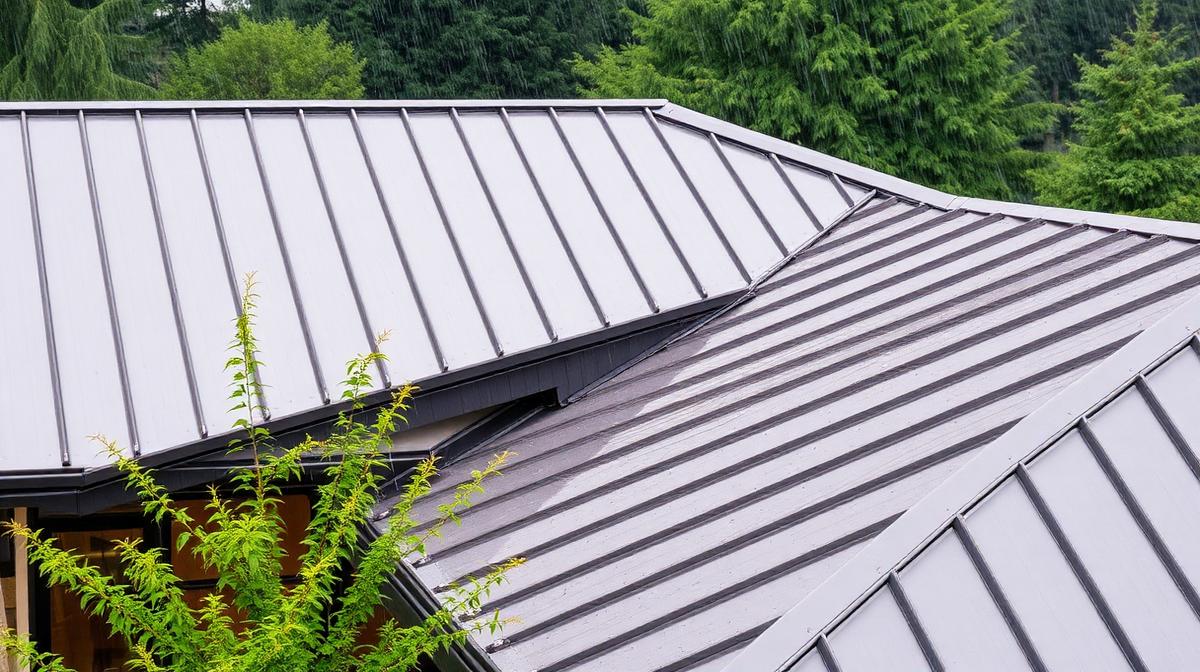
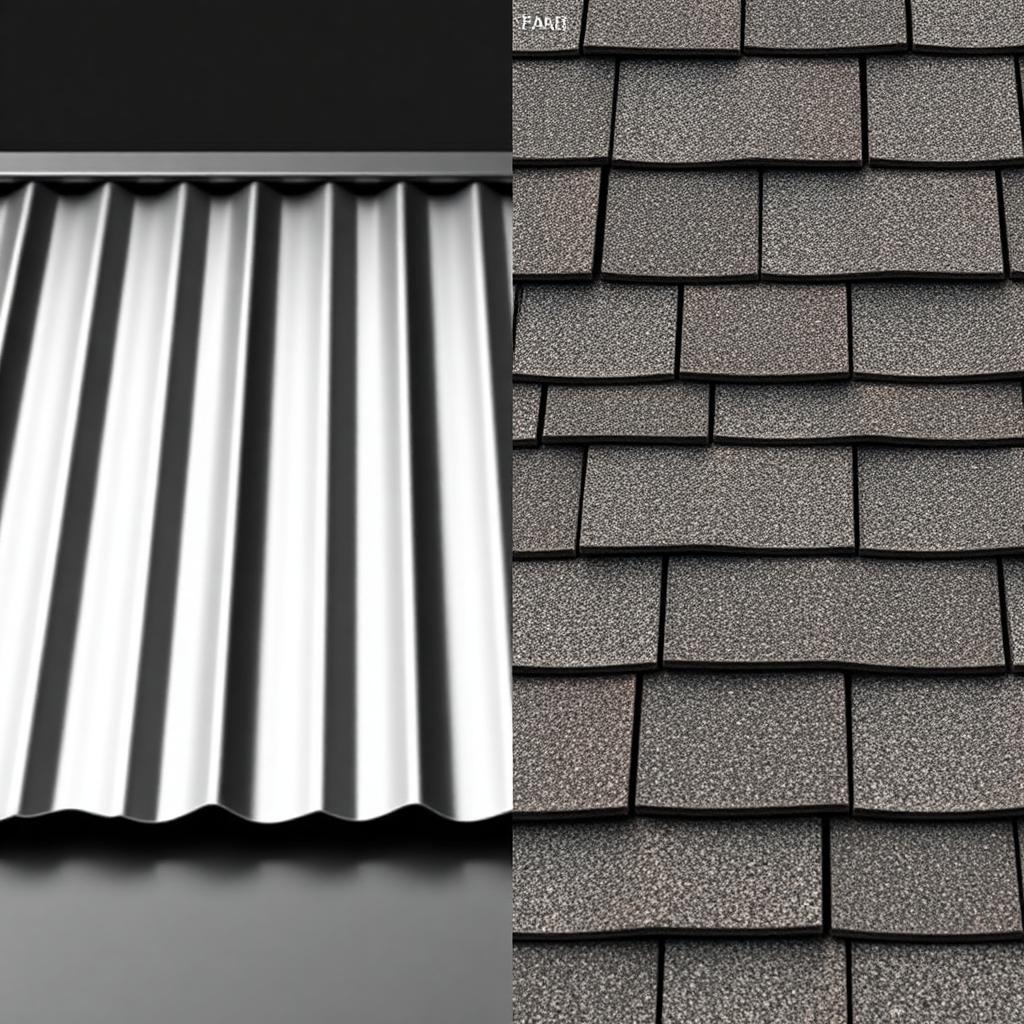
Metal Roofing: Highly sustainable choice. Contains 25-95% recycled content, lasts 50+ years, and is 100% recyclable at end of life. Energy Star rated options reduce cooling loads.
Recycled Shingles: Composite shingles made from recycled plastics and rubber provide traditional appearance with environmental benefits. Many use post-consumer waste.
Cedar Shakes: Renewable resource when sourced from sustainably managed forests. Biodegradable at end of life. FSC certification ensures responsible sourcing.
Slate and Tile: Natural materials with 100+ year lifespans. Higher manufacturing impact offset by exceptional longevity. Often salvageable for reuse.
Solar Integration
Washington supports solar despite cloudy reputation:
Net Metering: Washington net metering policies make solar financially attractive. Excess production credits future usage.
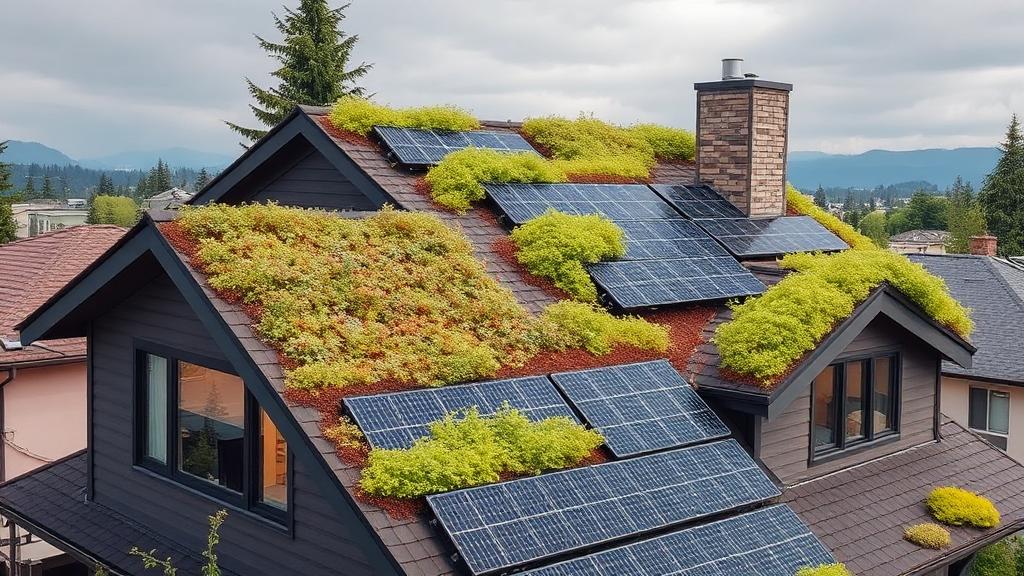
Solar Shingles: Building-integrated photovoltaics (BIPV) combine roofing and power generation. Tesla Solar Roof and competitors offer aesthetic integration.
Traditional Panels: Standard panels on suitable roofs provide excellent returns. South-facing slopes perform best.
Production Reality: While cloudier than other states, Washington solar systems still produce 75-85% of equivalent Southwest installations.
Green Roofs
Living roofs are growing in popularity:
Extensive Green Roofs: Lightweight systems with shallow soil and drought-tolerant plants. Minimal maintenance requirements. Suitable for many residential applications.
Benefits: Stormwater management, urban heat island reduction, increased insulation, wildlife habitat, and air quality improvement.
Considerations: Requires structural capacity assessment, specialized waterproofing, and ongoing maintenance. Higher initial costs than conventional roofing.
Cool Roof Options
Reflective roofing reduces cooling loads:
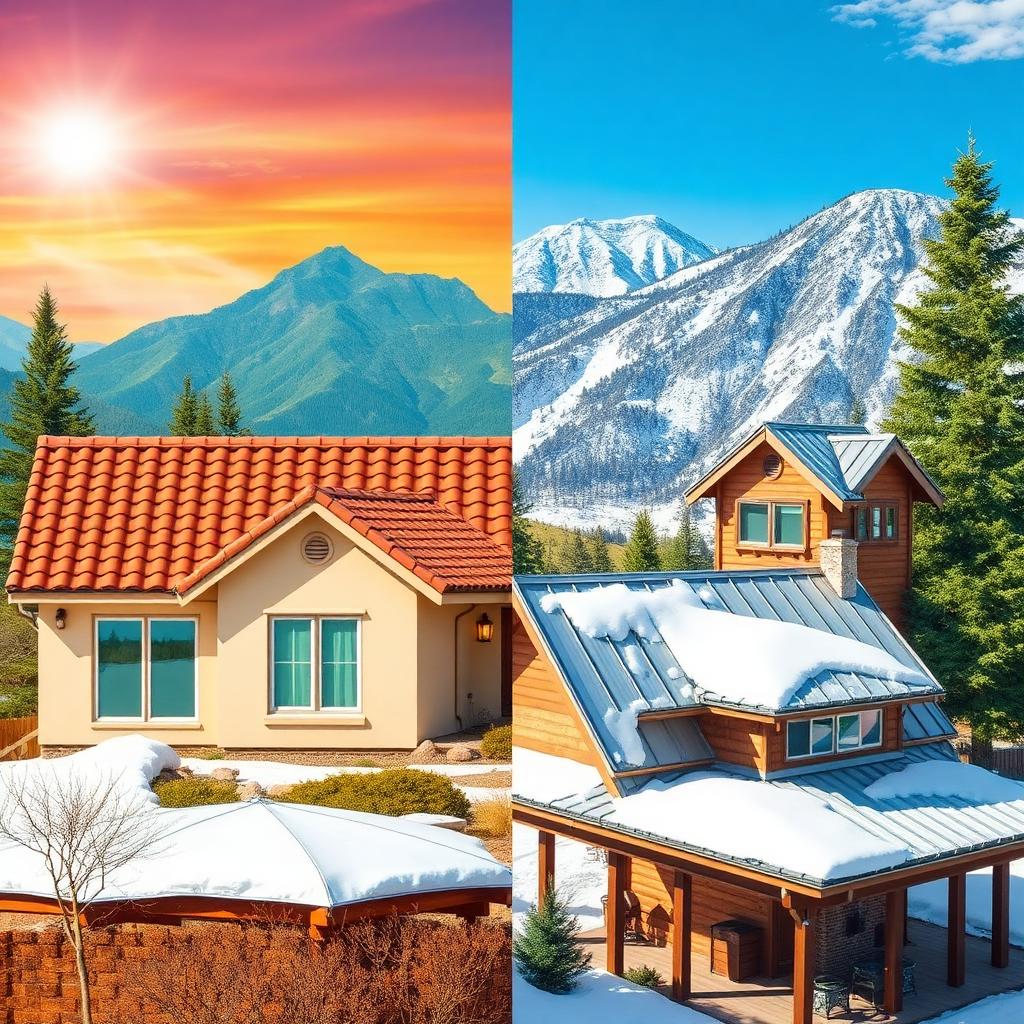
Reflective Metal: Light-colored or specially coated metal reflects solar radiation. Reduces attic temperatures and air conditioning needs.
Cool Shingles: Manufacturers offer shingles with reflective granules meeting cool roof standards.
Making Sustainable Choices
Consider these factors:
- Total lifespan and replacement frequency
- Recycled content and recyclability
- Local availability reducing transport impact
- Energy efficiency over the roof lifetime
- End-of-life disposal options
Conclusion
Washington homeowners have excellent sustainable roofing options. Balance environmental benefits with performance requirements for your specific situation.
Ready to explore sustainable roofing? Find Washington roofing contractors experienced with eco-friendly options.