Washington State Residential Roofing: Pacific Northwest Homeowner Guide
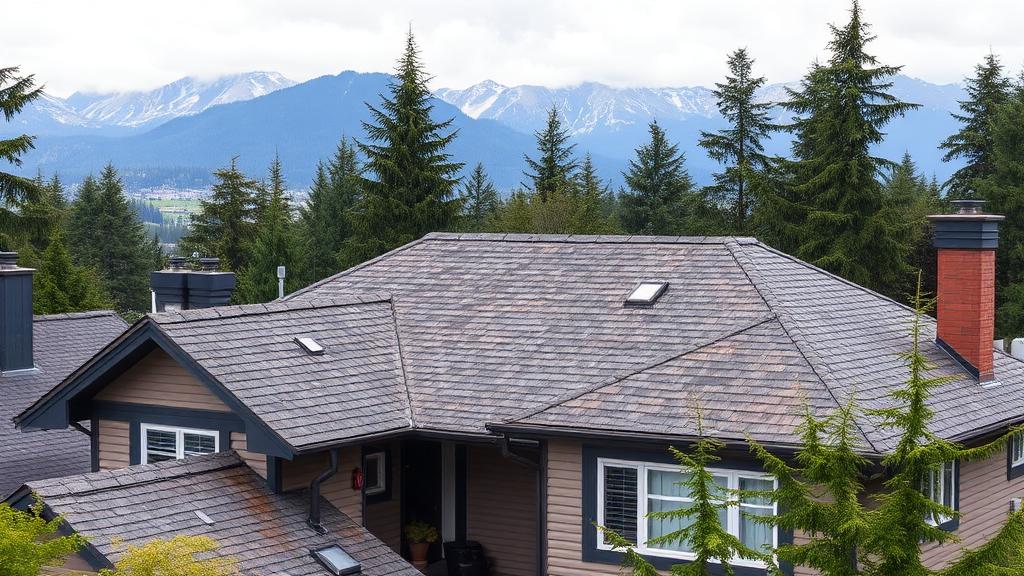
Washington state homeowners face unique roofing challenges from persistent rainfall, high humidity, and abundant shade that promotes moss growth. Understanding these regional factors helps you make informed decisions about roof materials, maintenance, and contractor selection.
Washington Climate Challenges
Washington state climate varies significantly by region:
Western Washington: The Seattle and Puget Sound region experiences 35-50 inches of annual rainfall with high humidity year-round. Overcast conditions and tree cover create ideal moss and algae growth environments.
Eastern Washington: The rain shadow east of the Cascades brings semi-arid conditions with hot summers and cold winters. Different roofing considerations apply.
Mountain Areas: High snowfall totals require roofs designed for heavy snow loads and freeze-thaw cycles.
Best Materials for Western Washington
Composition Shingles: The most common choice. Select algae-resistant shingles with copper or zinc granules to inhibit moss growth. Impact-resistant options handle falling branches in tree-heavy areas.
Metal Roofing: Excellent for wet climates. Metal sheds water rapidly and resists moss attachment. Standing seam provides superior protection. Popular in both urban and rural settings.
Cedar Shakes: Traditional Pacific Northwest choice with natural beauty. Requires more maintenance in wet climates. Modern treatments improve longevity.
Composite Shakes: Synthetic materials providing shake appearance with better moisture resistance. Growing in popularity for Northwest homes.
Moss Prevention
Moss is the primary maintenance challenge for Washington roofs. Prevention strategies include:
Zinc or Copper Strips: Metal strips installed near the ridge release oxides that inhibit moss growth. Effective for 10-15 years.
Regular Cleaning: Annual or bi-annual cleaning removes moss before it damages shingles. Professional soft-wash methods are gentler than pressure washing.
Trim Overhanging Trees: Reducing shade decreases moisture retention and moss growth. Maintain clearance between branches and roof.
Algae-Resistant Shingles: When replacing, choose shingles with built-in algae and moss resistance.
Drainage Considerations
High rainfall makes proper drainage essential:
Gutter Sizing: Standard gutters may be inadequate. Consider oversized gutters and downspouts for high-volume rainfall.
Gutter Maintenance: Debris from evergreen trees clogs gutters quickly. Gutter guards help but require maintenance too.
Proper Slope: Ensure roof valleys and flat sections drain completely. Standing water accelerates deterioration.
Finding Washington Contractors
Washington requires contractor registration through the Department of Labor and Industries (L&I). Verify:
- Active L&I registration
- Liability and workers compensation insurance
- Bonding as required
- Local experience with Pacific Northwest conditions
Conclusion
Washington roofing requires attention to moisture management, moss prevention, and proper drainage. Work with experienced local contractors who understand regional challenges.
Ready to find Washington roofing professionals? Search our verified contractor directory for qualified roofers in your area.