Arizona Monsoon Season Roof Preparation: Protecting Against Storms
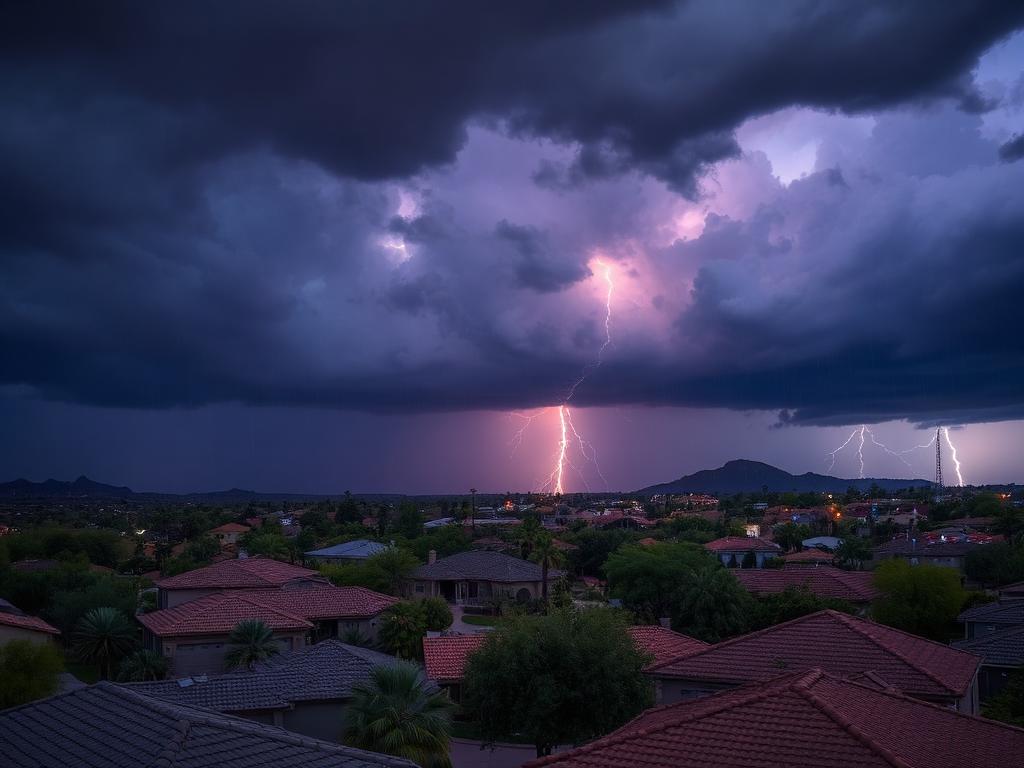
Arizona monsoon season brings dramatic weather changes to the Sonoran Desert region. From mid-June through September, powerful thunderstorms deliver high winds, heavy rain, and occasional hail to the Phoenix and Tucson metropolitan areas. These storms can cause significant roof damage to unprepared homes. Proactive preparation and rapid response protect your investment and prevent interior damage.
Understanding Arizona Monsoon Conditions
Monsoon storms develop differently than weather systems in other regions. Moisture from the Gulf of California and Gulf of Mexico flows into Arizona as summer heating creates atmospheric instability. Storms develop rapidly, often with little warning, and can produce localized but intense conditions.
Wind speeds during monsoon microbursts can exceed 100 miles per hour. These downburst events, though brief, can lift poorly secured roofing materials and drive rain beneath overlapping surfaces. The Phoenix area experiences 10-15 significant wind events during typical monsoon seasons.
Rainfall intensity during monsoon storms often exceeds the design capacity of residential drainage systems. While total rainfall amounts may be modest, delivery rates can exceed 2-3 inches per hour for brief periods. This intensity overwhelms gutters and creates ponding conditions on flat roofs.
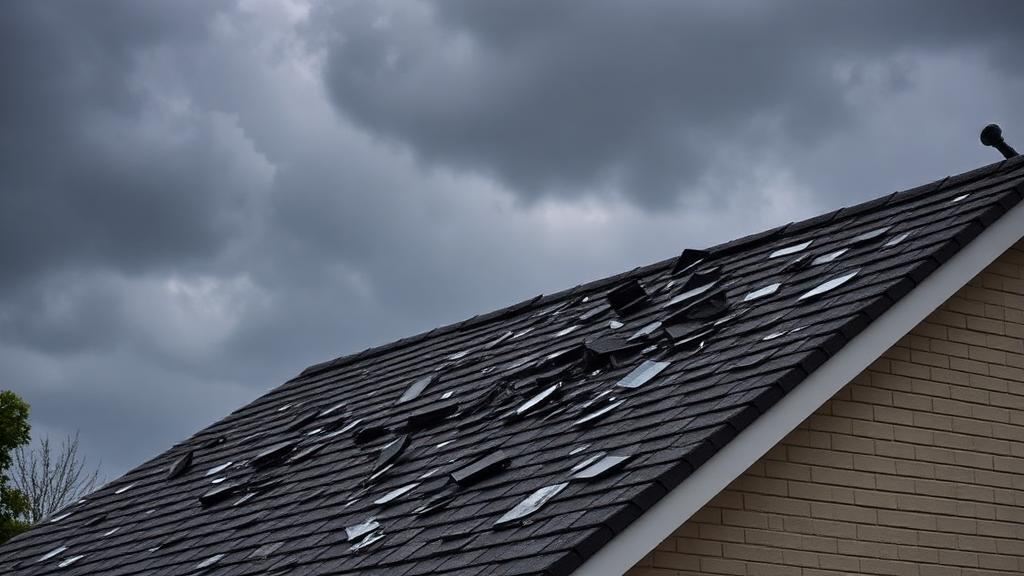
Hail occurs less frequently than wind and rain but causes significant damage when it does develop. Monsoon hail typically ranges from pea-sized to golf ball-sized, sufficient to damage roofing materials, especially those already weakened by heat exposure.
Pre-Season Inspection and Preparation
Schedule professional roof inspection before monsoon season begins. Early June inspections allow time for repairs before storm season intensifies. Focus inspection attention on known vulnerability points.
Flashing Inspection: Check all flashings around penetrations, walls, and roof transitions. Arizona sun deteriorates flashing sealants rapidly, creating entry points for wind-driven rain. Reseal or replace compromised flashings before storm season.
Tile and Shingle Security: Verify roofing materials remain properly secured. Heat cycling can loosen fasteners over time. Loose tiles and shingles become both projectiles and entry points during high winds. Resecure any loose materials.
Drainage Systems: Clean gutters, downspouts, and scuppers of debris accumulated during spring winds. Test drainage flow with garden hose to identify blockages. Ensure downspouts direct water away from foundations.
Flat Roof Drains: Inspect and clear all flat roof drains. Debris accumulation can cause rapid ponding during intense rainfall. Verify drain screens remain in place and undamaged. Consider installing secondary overflow drains if primary drainage seems marginal.
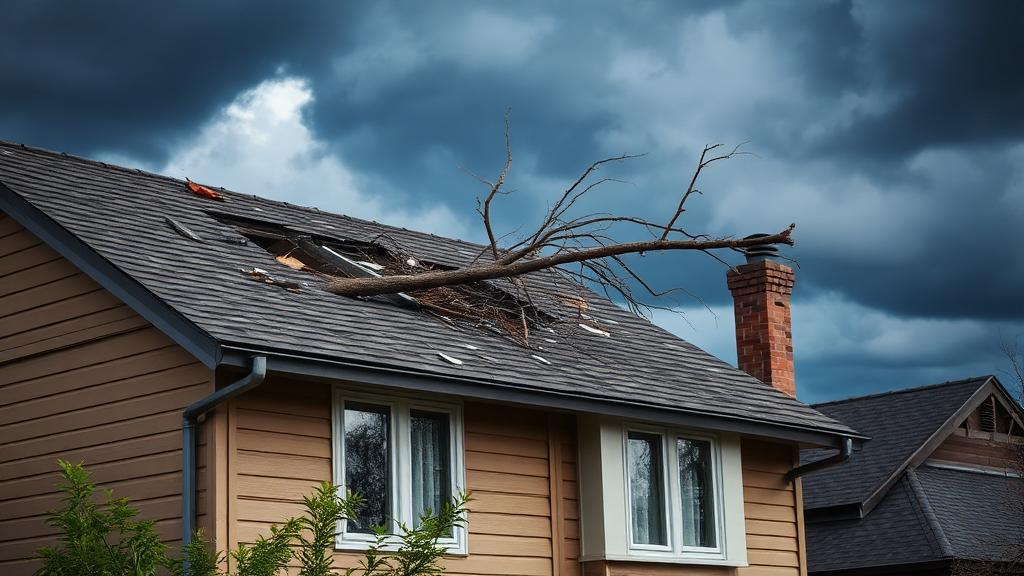
Trim Overhanging Vegetation: Trees and large shrubs near rooflines create multiple hazards. Falling branches cause direct damage. Dense vegetation prevents rapid drying that leads to moisture problems. Maintain 3-4 foot clearance between vegetation and roofing.
Wind Resistance Considerations
Arizona building codes specify minimum wind resistance for roofing materials based on local conditions. However, microbursts can exceed design wind speeds, making additional precautions worthwhile for high-risk areas.
Tile roofs benefit from mechanical fastening in addition to mortar setting. While properly set mortar provides adequate hold for most conditions, high-wind areas benefit from supplemental wire ties or foam adhesive systems.
Asphalt shingle installations should use six-nail patterns rather than minimum four-nail requirements. Enhanced nailing patterns significantly improve wind resistance with minimal additional cost. Starter strips with factory-applied adhesive provide enhanced edge security.
Metal roofing resists wind well when properly installed with appropriate fastening patterns. Verify that edge details include wind-resistant clips and that panel overlaps follow manufacturer specifications for high-wind zones.
Emergency Tarping Procedures
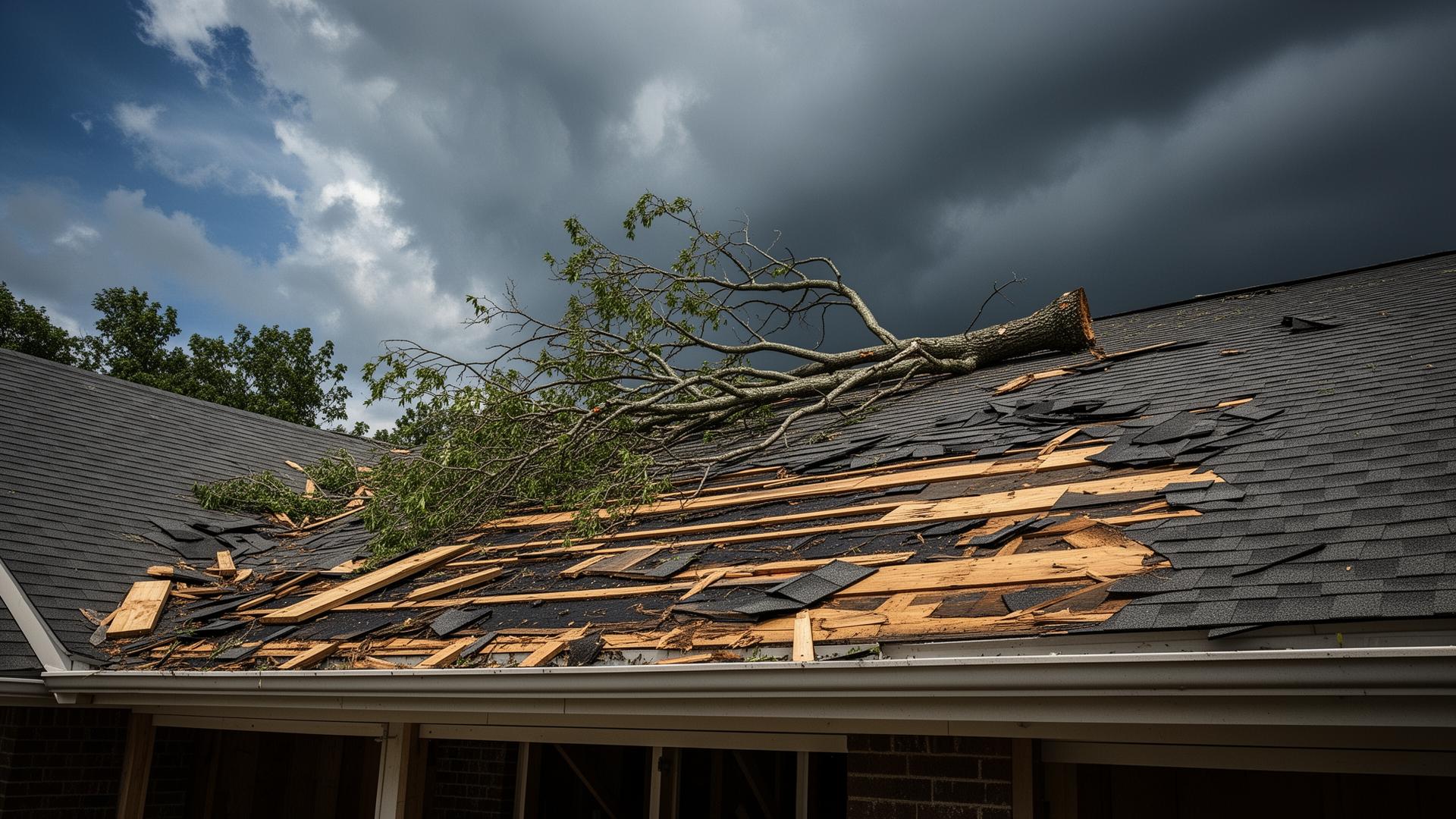
Despite best preparation, storm damage sometimes occurs. Having materials and knowledge for emergency tarping prevents water damage until permanent repairs can be completed.
Keep a quality 20x30 foot tarp and appropriate fastening materials accessible. Avoid thin economy tarps that tear in continued wind. Include 2x4 boards for creating weighted edges and rope or bungee cords for securing.
Safety must govern tarping decisions. Wet roofs are extremely slippery and dangerous. Never attempt roof access during active storms or when lightning threatens. If safe access is not possible, interior water containment becomes the priority until conditions allow roof access.
Proper tarp installation extends beyond the damaged area to prevent wind infiltration. Weight tarp edges with boards rather than penetrating roofing with fasteners that create additional damage. Overlap tarp seams to prevent wind lifting.
Document damage with photographs before and after tarping. Insurance claims require evidence of damage extent and prompt protective measures. Photograph from multiple angles and include close-up detail shots.
Working with Insurance After Storm Damage
Arizona homeowners insurance typically covers monsoon storm damage with standard deductibles. Understanding the claims process facilitates timely repairs.
Contact your insurance company promptly after identifying damage. Most policies require timely notification of claims. Document your notification with date, time, and claim reference number.
Obtain multiple repair estimates from licensed roofing contractors. Insurance adjusters typically expect two or three competitive bids. Choose contractors experienced with insurance restoration work who understand documentation requirements.
Do not authorize permanent repairs until insurance inspection is complete unless emergency conditions require immediate action. Document any emergency work thoroughly and retain receipts for reimbursement.
Finding Emergency Roofing Services
Establish relationships with reliable roofing contractors before emergencies occur. Contractors prioritize existing customers during high-demand periods following major storms. Having a go-to contractor improves response time when damage occurs.
Verify contractor licensing through the Arizona Registrar of Contractors before emergencies arise. Confirm insurance coverage and check complaint history. Storm season attracts out-of-state contractors and scammers who may perform substandard work or collect deposits and disappear.
Be wary of door-to-door contractors appearing after storms offering immediate service. While some are legitimate, this approach is a common tactic for unqualified or dishonest operators. Verify credentials carefully before authorizing any work.
Post-Storm Inspection
After significant storms, inspect your roof for damage even if no obvious problems are apparent. Some damage may not cause immediate leaks but will deteriorate over subsequent storms.
Ground-level inspection with binoculars can identify missing or damaged materials without roof access. Look for displaced tiles, lifted shingle edges, damaged flashing, and accumulated debris.
Check interior spaces for evidence of water infiltration. Attic inspection may reveal moisture before it penetrates living spaces. Ceiling stains and musty odors indicate problems requiring attention.
Document any damage with photographs and notes. Even minor damage should be tracked for pattern recognition and potential insurance claims if problems develop.
Conclusion
Arizona monsoon season demands proactive roof preparation and rapid response capability. Pre-season inspection and maintenance prevent most storm damage. Knowing how to respond when damage does occur limits secondary damage and facilitates insurance claims. Work with qualified contractors to maintain your roof in storm-ready condition throughout monsoon season.
Ready to schedule your pre-monsoon inspection? Find qualified Arizona roofing contractors in your area.