Attic Ventilation Problems: 7 Warning Signs and How to Fix Them in 2026
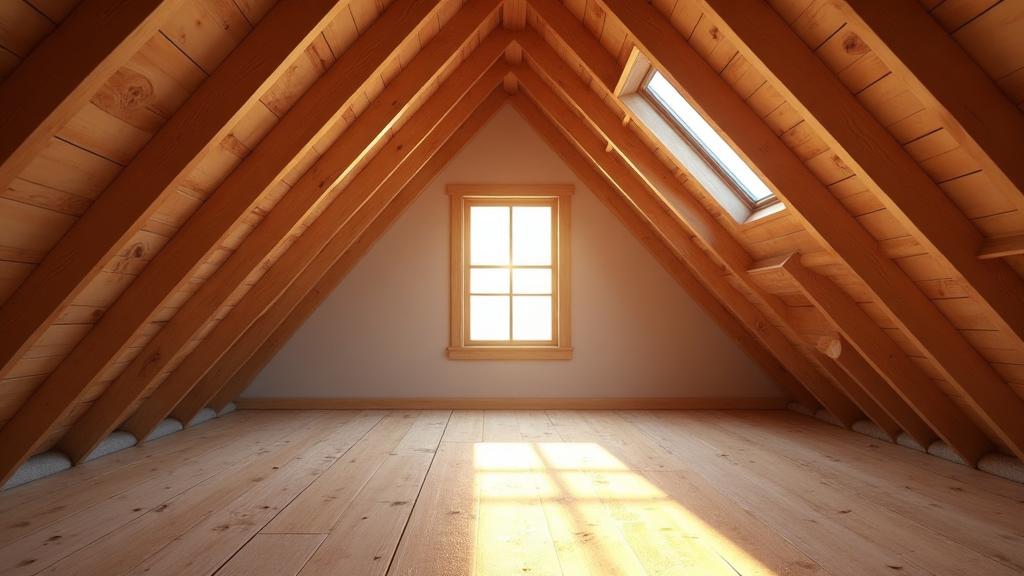
Why Attic Ventilation Matters More Than You Think
Most homeowners never think about attic ventilation—until something goes wrong. But inadequate attic ventilation is one of the leading causes of premature roof failure, excessive energy bills, ice dams, mold growth, and structural damage. It's a silent problem that costs American homeowners billions of dollars annually.
In 2026, with energy costs at historic highs and roofing materials more expensive than ever, proper attic ventilation isn't just a nice-to-have—it's essential for protecting your home's largest investment: the roof over your head.
How Attic Ventilation Works
The Basic Principle
Effective attic ventilation relies on a simple concept: continuous airflow. Cool, dry air enters through intake vents (usually at the soffits or eaves), rises as it warms, and exits through exhaust vents (at or near the ridge). This constant air exchange:
- Removes excess heat in summer (attics can reach 150°F+ without ventilation)
- Removes moisture in winter (preventing condensation on cold surfaces)
- Equalizes temperature differentials that cause ice dams
- Extends shingle life by reducing thermal stress
The 1:150 Rule
The universally accepted standard requires 1 square foot of net free ventilation area for every 150 square feet of attic floor space. If the ventilation is balanced (equal intake and exhaust), this can be reduced to 1:300.
Example:: A 1,500-square-foot attic needs: - 1:150 ratio = 10 square feet of total ventilation - 1:300 ratio (balanced) = 5 square feet of total ventilation - Split evenly: 50% intake, 50% exhaust
The 7 Warning Signs of Poor Attic Ventilation
Sign #1: Ice Dams in Winter
What You See:: Thick ridges of ice forming at roof edges, icicles hanging from gutters, and water backing up under shingles.
What's Happening:: Heat from an under-ventilated attic melts snow on the upper roof. The meltwater flows down to the cold eave (which overhangs beyond the heated space) and refreezes, creating a dam that traps water behind it.
The Damage:: - Water forced under shingles destroys decking and insulation - Interior ceiling and wall damage from leaks - Gutter destruction from ice weight (ice weighs 57 lbs per cubic foot) - Mold growth in walls and ceilings
The Fix:: Install continuous soffit vents paired with a ridge vent to create balanced airflow. Add insulation baffles to prevent insulation from blocking soffit intake. Cost: $1,500–$4,000 for a complete soffit-to-ridge ventilation upgrade.
Sign #2: Excessive Summer Energy Bills
What You See:: Air conditioning running constantly, uneven temperatures between floors, and energy bills 20–40% higher than comparable homes.
What's Happening:: Without ventilation, attic temperatures can exceed 150°F in summer. This superheated air radiates through the ceiling into your living space, forcing your HVAC system to work overtime.
The Damage:: - HVAC compressor running up to 30% longer, reducing equipment lifespan - Annual cooling cost increase of $200–$600 for a typical home - Premature HVAC replacement ($5,000–$15,000)
The Fix:: Install powered attic ventilators (solar or electric) to actively exhaust hot air. Combine with radiant barrier installation for maximum effect. Cost: $300–$800 for a solar attic fan; $1,200–$2,500 for a comprehensive radiant barrier system.
Sign #3: Curling, Buckling, or Premature Shingle Aging
What You See:: Shingles that curl at edges, buckle in the middle, or show excessive granule loss despite being relatively new.
What's Happening:: Extreme heat trapped in the attic "bakes" shingles from below while the sun bakes them from above. This double heat exposure accelerates the oxidation of asphalt, breaking down the material years ahead of schedule.
The Damage:: - 30-year shingles failing in 15–20 years - Voided manufacturer warranty (most shingle warranties require adequate ventilation) - Premature roof replacement costing $8,000–$20,000
The Fix:: Ensure your ventilation meets or exceeds manufacturer requirements (check your warranty documentation). Most manufacturers require the 1:150 ratio minimum. Cost to correct: $800–$3,000 depending on the scope of ventilation improvements needed.
Sign #4: Mold or Mildew in the Attic
What You See:: Black, green, or white fuzzy growth on rafters, decking, or insulation. Musty odors when entering the attic space.
What's Happening:: Warm, moist air from the living space rises into the attic. Without ventilation to carry the moisture away, it condenses on cold surfaces (roof decking in winter, HVAC ductwork in summer), creating perfect mold conditions.
The Damage:: - Health hazards for occupants (respiratory issues, allergies) - Structural wood rot in rafters and decking - Insulation degradation (wet insulation loses 40% or more of its R-value) - Potential liability in home sales (mold disclosure requirements)
The Fix:: First, remediate existing mold ($2,000–$6,000 for professional treatment). Then install proper ventilation and add vapor barriers where needed. Address all bathroom, kitchen, and dryer vents that exhaust into the attic (a common code violation). Cost for ventilation correction: $1,000–$3,500.
Sign #5: Rusty Nails or Metal Components in the Attic
What You See:: Roof nails protruding through the decking with rust, condensation droplets on nail tips, or corroded metal straps and connectors.
What's Happening:: Moisture-laden air condenses on metal surfaces, which are the coldest points in the attic. Rust on nail tips is an early-warning indicator that moisture levels are dangerously high.
The Damage:: - Nail holding power reduction as rust weakens the fastener - Staining on ceilings from rust-colored water drips - Structural connector failure in extreme cases
The Fix:: Install additional intake and exhaust ventilation to reduce moisture levels. Check and seal all ductwork connections. Cost: $500–$2,000 for ventilation improvements.
Sign #6: Hot Ceilings or Warm Spots
What You See:: Certain rooms or areas feel noticeably warmer than others, and ceilings are warm to the touch in summer.
What's Happening:: Concentrated heat in the attic creates hot spots directly above living spaces, particularly over rooms with lower insulation or near where insulation has settled or been displaced.
The Damage:: - Comfort issues leading to excessive thermostat adjustments - Increased cooling costs concentrated in specific zones - Potential moisture issues as temperature differentials cause condensation
The Fix:: Improve ventilation in the affected area (add intake vents, ensure exhaust is sufficient). Verify insulation depth and coverage. Consider a combination approach: ventilation + insulation top-up. Cost: $800–$2,500.
Sign #7: Peeling Exterior Paint or Staining
What You See:: Paint peeling, blistering, or discoloring on exterior walls, particularly near the roofline and around soffits.
What's Happening:: Excess moisture from the attic migrates through the building envelope, reaching exterior walls and soffits. The moisture pushes paint off surfaces and causes staining.
The Damage:: - Frequent exterior repainting expenses ($3,000–$8,000 for a full repaint) - Wood siding rot requiring replacement - Fascia board deterioration
The Fix:: Install continuous soffit ventilation and ensure attic moisture sources are properly vented to the exterior. Cost: $1,000–$3,000 for soffit vent installation.
Ventilation Solutions and Costs in 2026
| Solution | Cost Range | Best For |
|---|---|---|
| Ridge vent installation | $400–$1,200 | Primary exhaust for most homes |
| Continuous soffit vents | $800–$2,500 | Primary intake |
| Solar attic fan | $300–$800 each | Supplemental exhaust |
| Powered attic ventilator | $200–$600 + wiring | Active ventilation |
| Gable vents | $150–$400 each | Supplemental cross-ventilation |
| Turbine vents | $100–$300 each | Budget exhaust option |
| Radiant barrier | $1,200–$2,500 | Heat reduction supplement |
| Insulation baffles | $200–$600 | Maintaining airflow at soffits |
The Complete Ventilation Upgrade: What to Expect
A comprehensive attic ventilation upgrade for a typical 2,000-square-foot home costs $2,000–$5,000 and includes:
- Continuous soffit vent installation or upgrade
- Ridge vent installation (if not present)
- Insulation baffle placement at every rafter bay
- Sealing of all bathroom/kitchen exhaust vents to exterior
- Attic air sealing to reduce moisture entry from living space
The return on investment is compelling: $300–$600 annual energy savings, 5–10 years additional roof lifespan, and warranty protection worth the cost of the roof itself.
Conclusion
Attic ventilation problems are among the most cost-effective roofing issues to fix, yet among the most expensive to ignore. If you've noticed any of these seven warning signs, schedule a professional inspection immediately. The investment in proper ventilation pays for itself within a few years through energy savings alone—and protects your roof for decades.
*Concerned about your attic ventilation? Find a qualified roofing contractor who can inspect and upgrade your ventilation system.*