Before Snow Falls: Plan for Roof Snow Shedding Above Doors and Walkways
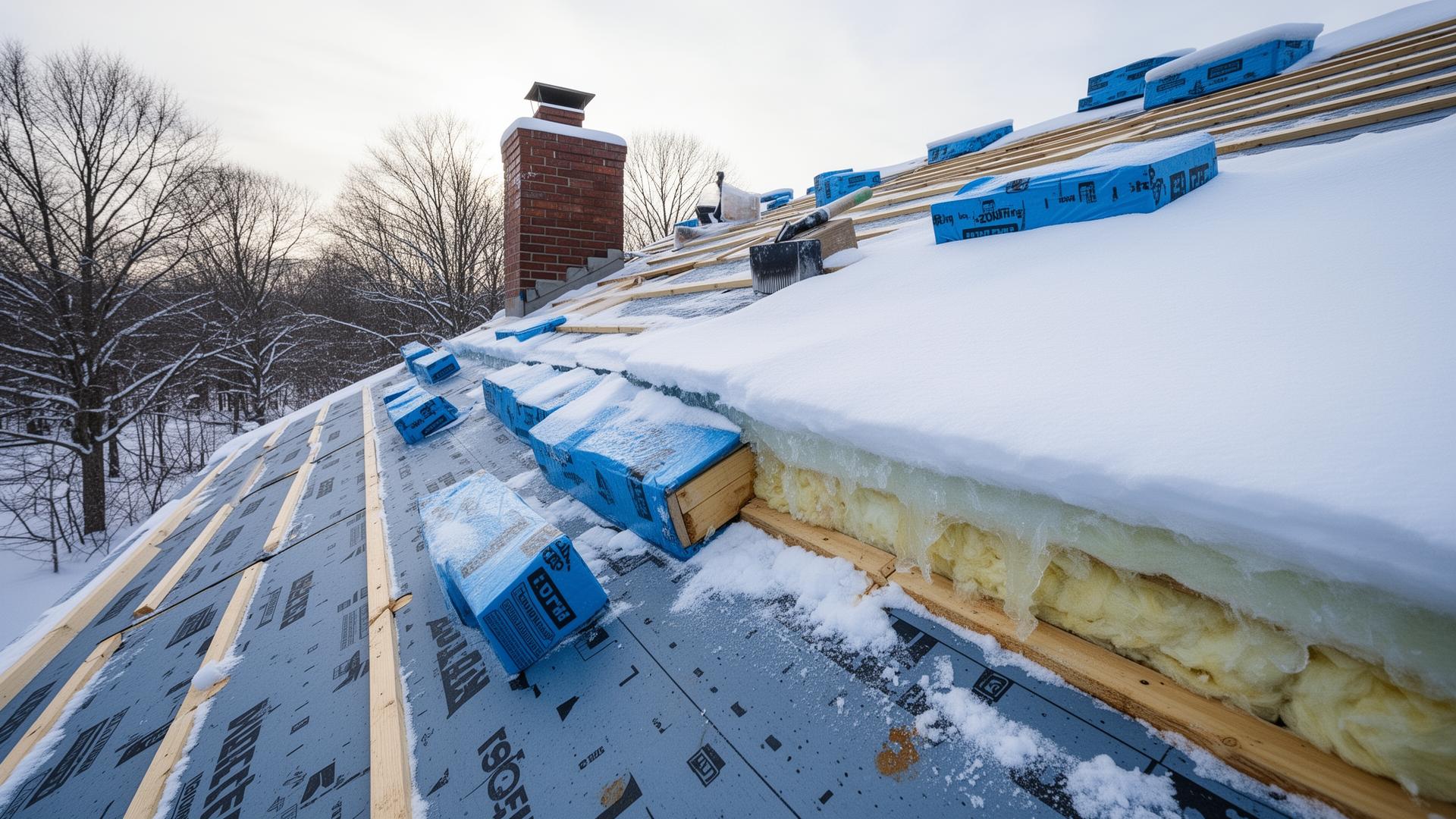
A roof can keep water out and still create a winter hazard at ground level. Snow that collects on a roof may slide suddenly onto a front step, driveway, public sidewalk, or outdoor equipment. The danger is easy to overlook when autumn maintenance focuses on leaks and leaves.
For November 2026 planning, take a different approach: map where people spend time beneath your roof, identify surfaces that could release snow toward those areas, and establish a safe access plan before winter weather arrives. This is especially useful after a metal reroof, solar installation, addition, or change in how you use an entrance.
This guide addresses snow shedding, not ice-dam prevention or structural snow-load calculations. Those issues can overlap, but they require different solutions. Homeowners can document exposure from the ground; roof-mounted protection and snow-removal decisions belong with qualified, insured professionals.
Understand Snow Shedding Before Choosing a Fix
Snow shedding occurs when accumulated snow releases from a roof surface and moves toward the eave. A release may include dense snow, ice, or both. It does not always happen during snowfall; changing temperatures, sunlight, and conditions at the roof surface can alter when snow moves.
Smooth roofing, including many metal systems, can allow snow to slide readily. Solar panels can also create smooth surfaces that shed snow differently from the surrounding roof. Asphalt shingles, tile, and other materials are not automatically free of shedding hazards.
Pitch matters, but it is not a complete prediction tool. Roof length, valleys, upper-to-lower roof transitions, shading, local weather, and the arrangement of panels or equipment also influence exposure.
Two distinctions help keep the planning accurate:
- Snow retention is not structural reinforcement. Holding snow on a roof changes how snow remains and how forces are transferred; it does not increase the building’s load capacity.
- Snow retention is not an ice-dam remedy. It does not replace appropriate air sealing, insulation, ventilation, or drainage repairs.
If terminology becomes confusing, use the roofing glossary to clarify basic roof components before discussing a proposal.
Map the Places People Cannot Easily Avoid
Start with a ground-level sketch of the house and nearby access routes. Work in dry, calm conditions, using a phone camera or binoculars from a safe location. Never climb onto the roof or stand beneath an existing snow overhang to inspect it.
Mark every regularly used door, including garage side doors, basement exits, and gates. Then add the routes connecting those openings to vehicles, trash storage, mail delivery, and the street.
Look beyond the front entrance. A side passage may be the only practical route for a family member with limited mobility. A driveway may double as a play area. A delivery worker may naturally stop directly beneath a roof valley.
Also mark:
- Public sidewalks and neighboring access areas.
- Deck stairs, ramps, and narrow passages between buildings.
- Outdoor heat pumps, air-conditioning equipment, and utility meters.
- Lower roofs, porch covers, and attached carports.
- Places where pets wait or children gather.
For each location, record whether people can realistically use another route. An exposed flower bed is different from the only accessible entrance. That distinction helps a professional prioritize protection rather than treating every eave identically.
Do not estimate a safe setback using roof height alone. Snow can break apart, bounce, or travel beyond the drip line, so appropriate exclusion areas depend on the site.
Identify Roof Changes That Alter Winter Behavior
A house that performed acceptably last winter may behave differently after roof work. Ask whether anything has changed since the last meaningful snowfall.
Replacing a textured roof with a smoother surface can change release patterns. Adding solar panels can concentrate shedding above locations that previously saw little falling snow. A new porch may intercept snow from a larger roof, while a relocated entrance may put people beneath an existing slide path.
Even changes on the ground matter. Moving parking closer to an eave, adding a wheelchair ramp, or placing a heat pump beneath a slope can create a new exposure without changing the roof itself.
Gather the available records:
- Roofing material, manufacturer, and approximate installation date.
- Solar layout and installer contact information, if applicable.
- Plans or photographs of additions and roof alterations.
- Any existing snow-retention product information.
- Notes about earlier slides, damaged gutters, or crushed landscaping.
Previous experience is useful evidence, not proof of future safety. A mild winter or unusually light snowfall may never have tested the arrangement. Likewise, a neighbor’s successful system is not automatically suitable for your roof.
Recognize When Snow Retention Needs Professional Design
Snow guards, rails, fences, and similar systems are intended to control snow movement. Their suitability depends on the roof assembly and the conditions they must resist—not simply whether the pieces fit or look attractive.
A qualified roofing professional should evaluate the roof material, slope, dimensions, supporting construction, and expected local snow conditions. Some projects require manufacturer design assistance or a structural engineer, particularly where the existing structure is uncertain or snow accumulates unevenly.
Important design questions include:
- What roof area will deliver force to the system?
- Where will those forces transfer into the roof assembly?
- Does the layout address valleys, intersecting slopes, and upper roofs?
- Is the attachment compatible with the exact roofing profile and material?
- Will penetrations require additional waterproofing details?
- Could the proposed placement concentrate loads or create an incomplete barrier?
On some standing-seam metal roofs, compatible clamps may attach without penetrating panels. That does not make every clamp appropriate for every seam, coating, or load. Other systems use mechanically fastened or adhesive attachments, each with specific limitations and installation requirements.
A short row installed only above a doorway is not automatically adequate. Depending on the roof geometry and system design, it may receive forces from a much larger area than its appearance suggests.
Treat a proposal based only on roof-edge length as incomplete until the contractor explains the design basis.
Coordinate Solar, Porches, and Outdoor Equipment
Snow-shedding problems often cross trade boundaries. A roofer may understand the roof assembly, while a solar contractor controls access around modules and knows the mounting system. A structural professional may need to evaluate a porch receiving snow from above.
If solar panels are present, coordinate with both the roofing and solar contractors. Do not attach improvised barriers to module frames, mounting rails, or roof components. Added equipment must be compatible with the system and preserve necessary access and clearances.
For an outdoor heat pump, snow falling from above is different from snow accumulating around the unit. Both can affect operation, but a homemade cover may restrict airflow or service access. Ask a qualified HVAC contractor about manufacturer clearances and coordinate any protective structure with the appropriate building professional.
Do not cover or obstruct combustion vents, utility equipment, or meters while trying to shield them from snow. Consult the responsible trade or utility about safe protection options.
Porch roofs and entry canopies also deserve caution. A small canopy may not be designed to catch a release from the main roof. Adding one without assessing that load can exchange a falling-snow hazard for a structural problem.
Schedule Work Around Installation Conditions
Late-fall preparation is valuable, but the calendar cannot override product instructions or worker safety. Wet surfaces, frost, ice, low temperatures, and short daylight hours may limit installation options.
Some adhesive systems require specific surface preparation, application temperatures, and curing conditions. Mechanically attached systems also need suitable access and correct waterproofing details. A contractor should explain whether the proposed work can be completed properly in the available weather window.
Avoid demanding an improvised installation immediately before a storm. If permanent work must wait, ask for a written interim plan addressing access restrictions, monitoring, and professional response—not a promise that a few temporary attachments will solve the problem.
Pricing varies with roof access, material, design requirements, attachment method, project size, and local labor conditions. Engineering, solar coordination, or repairs to deteriorated roofing may add scope. Compare complete proposals rather than the price per guard alone.
For regional planning, start with state roofing resources, then confirm applicable permits, local requirements, and contractor licensing with the relevant authorities. Requirements differ across U.S. jurisdictions.
Put an Access Plan in Place Before the First Storm
Permanent protection does not eliminate the need for winter precautions. Decide in advance how the household will respond when snow accumulates above a frequently used area.
Choose an alternate entrance where practical. Identify a parking location outside likely shedding areas, without moving vehicles into another hazard or blocking emergency access. Arrange delivery instructions that do not direct workers beneath loaded eaves.
Keep barriers and signs available, but place them only when conditions allow safe access. Do not stand beneath overhanging snow to set out a warning cone. For public sidewalks or neighboring property, contact the appropriate local authority or property owner about safe coordination rather than assuming you can close the area yourself.
Preserve required exits. If every practical route is exposed, obtain professional guidance before winter rather than relying on a plan that traps occupants indoors or obstructs emergency escape.
Never attempt to knock down overhead snow or icicles while standing below them. Avoid roof access, ladders near loaded eaves, improvised cables, and tools that can damage roofing or contact electrical lines.
If removal becomes necessary, use an insured contractor with relevant roof snow-removal experience. The plan should account for fall protection, people below, roofing materials, solar equipment, and where removed snow will land.
Monitor Conditions Without Turning Observation Into Risk
Once winter begins, monitor from protected indoor locations or safe ground positions away from shedding zones. Do not make close-up photography a reason to enter a restricted area.
Useful observations include new snow overhangs, displaced retention components, damaged gutters, unusual accumulation on a lower roof, and evidence that snow has already crossed a walkway. Record the date and location so a contractor can compare patterns.
Do not use snow depth alone to decide whether the roof is overloaded. Snow density, ice, rain absorbed into snow, drifting, and building capacity all matter. There is no universal homeowner depth threshold that makes every roof safe or unsafe.
New sagging, unusual cracking or popping, or sudden door and window binding during heavy accumulation warrants urgent attention. These signs are not a diagnosis, but they should not be ignored. Stay out of the affected area and seek emergency assistance if structural failure appears possible.
After a significant slide or impact, arrange inspection of affected roofing, attachments, gutters, and lower structures. A photograph from the ground may document the event, but it cannot confirm that concealed attachments remain sound.
Practical Pre-Snow Checklist
Use this list to organize the work, then add it to your broader homeowner maintenance checklist.
- [ ] Sketch roof edges, entrances, walkways, parking areas, and outdoor equipment.
- [ ] Mark the only accessible entrance and other routes that cannot easily change.
- [ ] Photograph exposed areas from safe ground positions before snowfall.
- [ ] Record reroofing, solar installation, additions, and ground-level layout changes.
- [ ] Gather roof, solar, and existing snow-retention documentation.
- [ ] Request an assessment from a licensed roofing contractor where licensing applies, and verify insurance.
- [ ] Ask whether manufacturer design support or structural engineering is needed.
- [ ] Confirm product compatibility, attachment details, and installation weather limits.
- [ ] Coordinate any effects on solar panels, HVAC equipment, vents, and utilities.
- [ ] Establish alternate access, parking, and delivery arrangements.
- [ ] Save contractor contact information and define when professional removal will be considered.
- [ ] Obtain completion photographs and maintenance instructions without accessing the roof yourself.
If you need help locating an assessment service, use roof inspection resources. Describe the concern specifically as snow shedding above occupied areas, not simply a general leak inspection.
FAQ
Does every metal roof need snow guards?
Not necessarily. The need depends on climate, roof geometry, surrounding uses, and where sliding snow would land. A roof above an unused area presents a different exposure from one above the only entrance. A professional should assess the site rather than recommend a universal layout based on metal roofing alone.
Can existing gutters stop snow from sliding?
Gutters are drainage components, not a substitute for a designed snow-retention system. Sliding snow can deform or detach them. Do not add brackets or barriers to gutters expecting them to resist roof snow unless a qualified professional has specified a purpose-designed assembly for that application.
Is one row of snow guards above the front door enough?
There is no reliable universal answer. The slope above that row may deliver substantial force, and nearby valleys or panel arrangements can alter loading. Ask for a layout appropriate to the entire contributing roof area, with compatible attachments and documented design assumptions.
Should I remove snow after every storm?
Routine removal is not automatically necessary and can damage roofing or expose workers and occupants to danger. Establish criteria with a qualified professional based on your building and local conditions. If removal is needed, use an experienced, insured service rather than attempting rooftop work yourself.
Will snow retention make my roof carry more snow?
Retention can keep snow from sliding off as readily and changes how forces act on the roof. That is why structural capacity and attachment design matter. A roof with uncertain framing, previous alterations, or concentrated drifting may need engineering review before a system is installed.
What if winter arrives before the work can be completed?
Use the agreed access and parking plan, avoid exposed areas, and arrange professional monitoring or removal when appropriate. Do not accept installation methods that violate product weather requirements just to meet a deadline. If safe access cannot be maintained, seek prompt professional and local emergency guidance rather than improvising an overhead barrier.