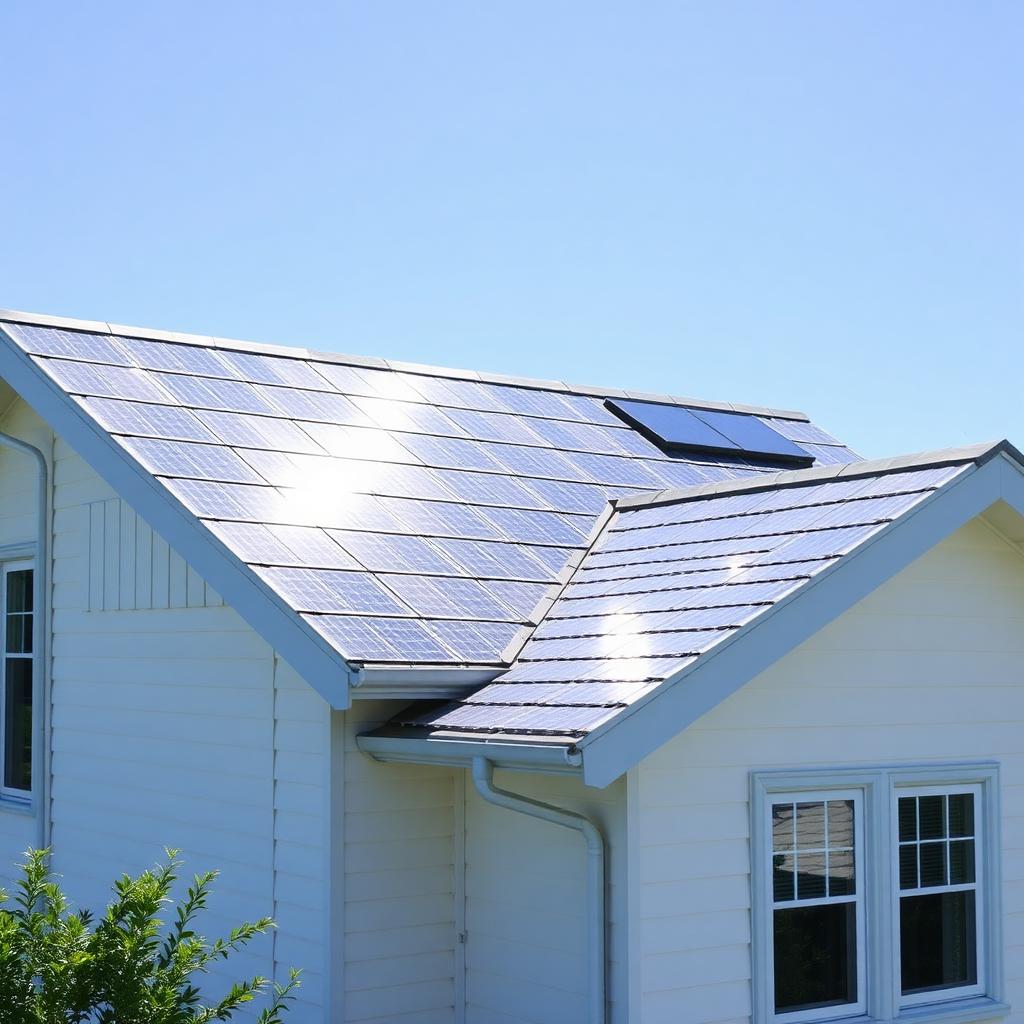
California Roofing Contractor License Requirements Explained

California strictly regulates roofing contractors through the Contractors State License Board. Understanding these requirements helps homeowners protect themselves when hiring for roofing projects. This guide explains California licensing requirements and how to verify contractor credentials.
California Contractor Licensing Overview
The Contractors State License Board regulates all construction contractors in California. Any project exceeding $500 in combined labor and material costs requires a licensed contractor. Roofing work, regardless of size, typically requires permits and licensed contractors.
The licensing system protects consumers by ensuring contractors meet minimum competency standards, maintain required insurance and bonds, and can be held accountable for their work.
The C-39 Roofing Contractor License
The C-39 classification specifically covers roofing work. This specialty license authorizes installation, repair, and replacement of all roofing systems including shingles, tile, metal, flat roofing, and associated waterproofing.
C-39 license holders can perform complete roofing projects including tear-off, deck repair, underlayment installation, and all roofing materials. They can also install associated items like gutters, skylights, and roof vents when part of a roofing project.
Other Licenses That Cover Roofing
Some other license classifications may include roofing within their scope. The B General Building license allows roofing as part of larger construction projects. The A General Engineering license covers some commercial roofing applications. Solar contractors with C-10 Electrical or C-46 Solar licenses can install solar roofing systems.
For dedicated roofing work, the C-39 license provides the most direct qualification verification.
License Requirements
Obtaining a California contractor license requires meeting multiple requirements. Applicants must be at least 18 years old and demonstrate four years of journey-level experience in the trade. They must pass written examinations covering trade knowledge and business/law. Criminal background checks apply to all applicants.
Bonds and Insurance
Licensed contractors must maintain bonds and insurance. The contractor license bond of $25,000 protects consumers from contractor violations. Workers compensation insurance is required if the contractor has employees. General liability insurance, while not required by CSLB, protects both contractors and property owners.
Most reputable contractors carry general liability insurance of $1 million or more. Verify coverage before allowing work to begin.
Verifying License Status
The CSLB website provides free license verification. Enter the contractor name, license number, or business name to access status information. The database shows whether the license is active and in good standing, bond status and amount, workers compensation status, any disciplinary actions or complaints, and personnel listed on the license.
Always verify license status before signing contracts. License status can change, so verify close to your project start date.
Understanding License Status
License status indicators tell you important information. Active status means the contractor is currently authorized to perform work. Inactive status means the license exists but is not currently valid for performing work. Suspended status indicates enforcement action preventing the contractor from working. Revoked status means the license has been permanently cancelled.
Only hire contractors with Active license status.
Checking Complaint History
The CSLB database shows complaints and legal actions against contractors. Review this information carefully. Some complaints may be minor or unfounded, but patterns of complaints suggest problems. Legal actions including citations, suspensions, or revocations indicate serious violations.
Consider complaint history along with other factors when evaluating contractors.
Contract Requirements
California law sets specific requirements for home improvement contracts. Contracts must be in writing for projects exceeding $500. The contractor license number must appear on the contract. Contracts must include specific disclosures about consumer rights.
Deposits are limited to $1,000 or 10 percent of the contract price, whichever is less. Contractors cannot require larger deposits.
Permit Requirements
Most roofing work requires building permits. Only licensed contractors can pull permits for work they perform. Permits ensure work receives inspection for code compliance. Unpermitted work can create problems with insurance, future sales, and safety.
Ask your contractor to confirm permit requirements and provide permit numbers before work begins.
Warning Signs of Unlicensed Contractors
Unlicensed contractors often display certain behaviors. They offer unusually low prices that seem too good to be true. They request large deposits or cash payments. They cannot or will not provide license information. They suggest skipping permits to save money or time.
Unlicensed contracting is a criminal offense in California. Hiring unlicensed contractors eliminates most consumer protections.
What to Do About Problems
If problems arise with a licensed contractor, several options exist. Contact the contractor directly first to attempt resolution. File a complaint with CSLB if direct resolution fails. The contractor's bond may provide compensation for certain violations. Small claims court handles disputes up to $12,500.
CSLB investigates complaints and can take action including license revocation against contractors who violate regulations.
Protecting Your Investment
Beyond license verification, take additional steps to protect yourself. Get multiple written estimates for comparison. Check references from recent projects. Review online reviews across multiple platforms. Verify insurance coverage directly with insurance companies.
Document everything throughout your project including photos, written communications, and payment records.
Conclusion
California's contractor licensing system provides important protections for homeowners. Taking time to verify licensing status before hiring ensures you work with qualified, accountable professionals. Never compromise on licensing to save money as the risks far outweigh any potential savings.
Ready to find licensed California roofing contractors? Browse our verified contractor directory featuring professionals in Los Angeles, San Francisco, San Diego, and communities throughout California.