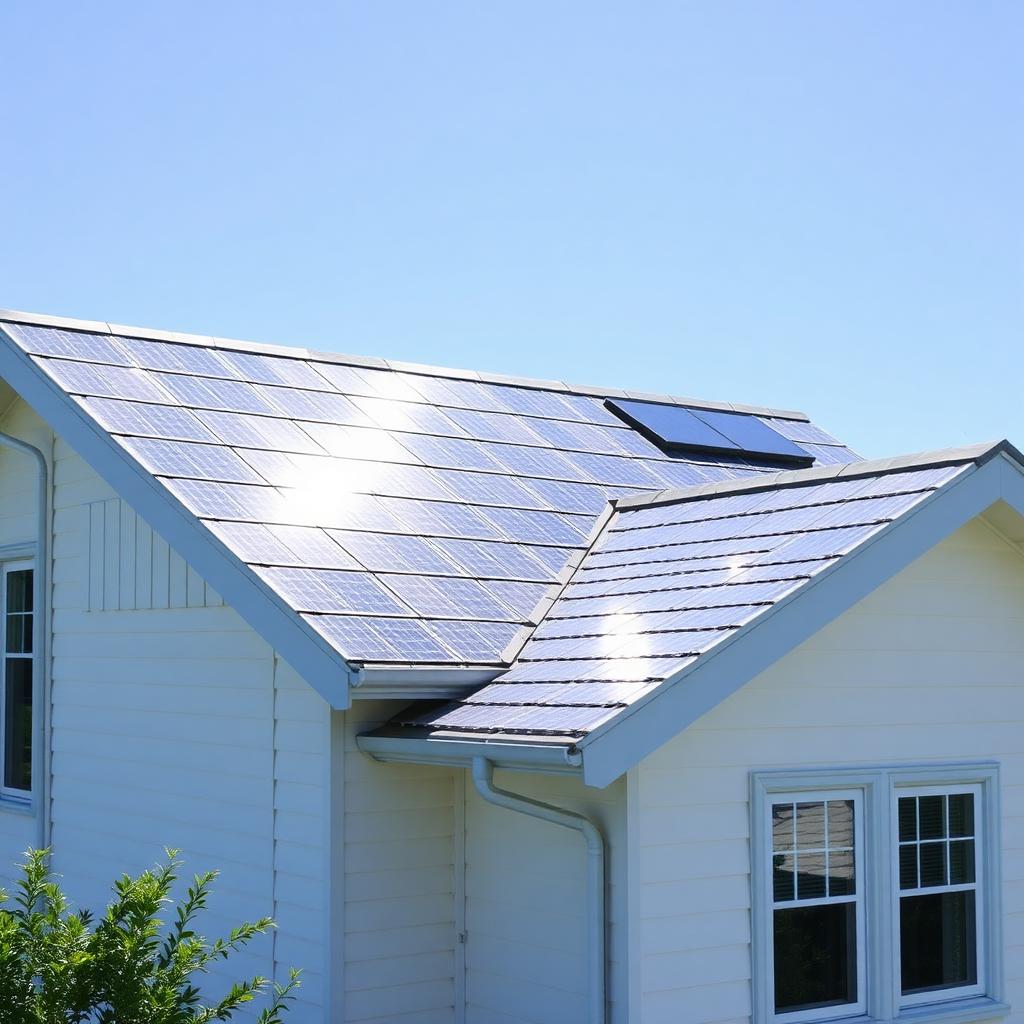
Complete Guide to Hiring California Roofing Contractors

Finding a reliable roofing contractor in California requires understanding the unique challenges of the state's diverse climate zones. From the foggy coastal regions to the hot desert interior and fire-prone mountain areas, California roofing demands specialized knowledge. This guide helps you navigate the process of hiring qualified roofing professionals.
Understanding California's Roofing Market
California has one of the largest roofing markets in the United States. The state's population of nearly 40 million people, combined with diverse housing stock and climate challenges, creates constant demand for roofing services.
Regional Climate Considerations
California's climate varies dramatically by region. Coastal areas from San Diego to San Francisco experience moderate temperatures but high humidity and salt air exposure. The Central Valley sees extreme summer heat exceeding 100 degrees. Mountain communities face snow loads and freeze-thaw cycles. Southern California deserts experience intense UV radiation and thermal cycling.
Your contractor must understand these regional differences. A roofing system that performs well in San Francisco may fail in Palm Springs without proper material selection and installation techniques.
Licensing Requirements in California
California strictly regulates roofing contractors through the Contractors State License Board. All roofing work requiring permits must be performed by licensed contractors.
The C-39 Roofing Contractor license authorizes installation, repair, and replacement of all roofing systems. Contractors must pass written examinations, demonstrate experience, and maintain required bonds and insurance.
Verify any contractor's license through the CSLB website before signing contracts. The database shows license status, bond information, workers compensation coverage, and complaint history.
What Makes a Quality California Contractor
Beyond basic licensing, quality contractors demonstrate several characteristics. Local experience matters because contractors familiar with your area understand climate challenges, building department requirements, and regional material preferences.
Look for contractors with physical business locations rather than just phone numbers and post office boxes. Established businesses have reputations to protect and typically provide better service.
Professional associations like the California Building Industry Association, local roofing associations, and manufacturer certifications indicate ongoing commitment to quality. These organizations require members to meet standards beyond minimum licensing requirements.
Getting Accurate Estimates
Request detailed written estimates from at least three contractors. California law requires written contracts for home improvement work exceeding $500. Estimates should include complete material specifications, scope of work descriptions, project timeline, payment schedule, and warranty terms.
Be wary of estimates significantly lower than others. Low prices often indicate corners will be cut on materials, installation quality, or required work. Quality roofing requires proper investment.
Understanding California Building Codes
California Building Code requirements affect roofing in several ways. Title 24 energy requirements mandate cool roofing materials in many climate zones. Fire-resistant roofing is required in designated Wildland-Urban Interface areas. Seismic considerations affect attachment methods and structural requirements.
Your contractor should be familiar with current code requirements for your specific location. Code compliance ensures your roof performs properly and does not create problems when selling your home.
Insurance and Permit Verification
Confirm your contractor carries adequate insurance before work begins. General liability coverage protects your property if damage occurs during the project. Workers compensation covers injuries to workers on your property.
Building permits are required for most roofing work in California. Your contractor should pull permits as part of the project. Permitted work receives inspections that verify proper installation. Unpermitted work can affect your insurance coverage and create problems when selling.
Contract Essentials
California home improvement contracts must include specific information. The contractor's name, address, license number, and contact information must appear prominently. The contract must describe all work to be performed in detail. Total price and payment schedule must be clearly stated.
Never sign blank or partially completed contracts. Never pay more than $1,000 or 10 percent of the contract price as a deposit, whichever is less. This limit is California law and protects homeowners from contractor default.
Working with Your Contractor
Maintain clear communication throughout the project. Document all conversations about changes or concerns in writing. Keep copies of all contracts, permits, receipts, and correspondence.
Address concerns immediately rather than waiting until project completion. Most issues can be resolved quickly when caught early. If problems cannot be resolved directly, the CSLB provides complaint and mediation services.
Regional Contractor Selection Tips
For coastal communities, prioritize contractors experienced with salt air corrosion and moisture management. In fire zones, ensure contractors understand fire-resistant roofing requirements and proper installation techniques. For desert regions, look for experience with extreme heat and thermal cycling challenges.
Avoiding Contractor Scams
Unfortunately, scams target California homeowners, particularly after storms or disasters. Warning signs include door-to-door solicitation, especially after weather events. High-pressure sales tactics demanding immediate decisions should raise concerns. Requests for large deposits or cash-only payments indicate potential problems. Unwillingness to provide license information or references suggests unlicensed operators.
Legitimate contractors welcome verification of their credentials and provide references without hesitation.
Conclusion
Hiring the right California roofing contractor protects your significant investment. Take time to verify licensing, check references, and compare detailed estimates. The effort you invest in selection pays dividends through quality workmanship and lasting results.
Ready to find trusted California roofing contractors? Browse our verified contractor directory featuring professionals in Los Angeles, San Francisco, San Diego, and communities throughout California.