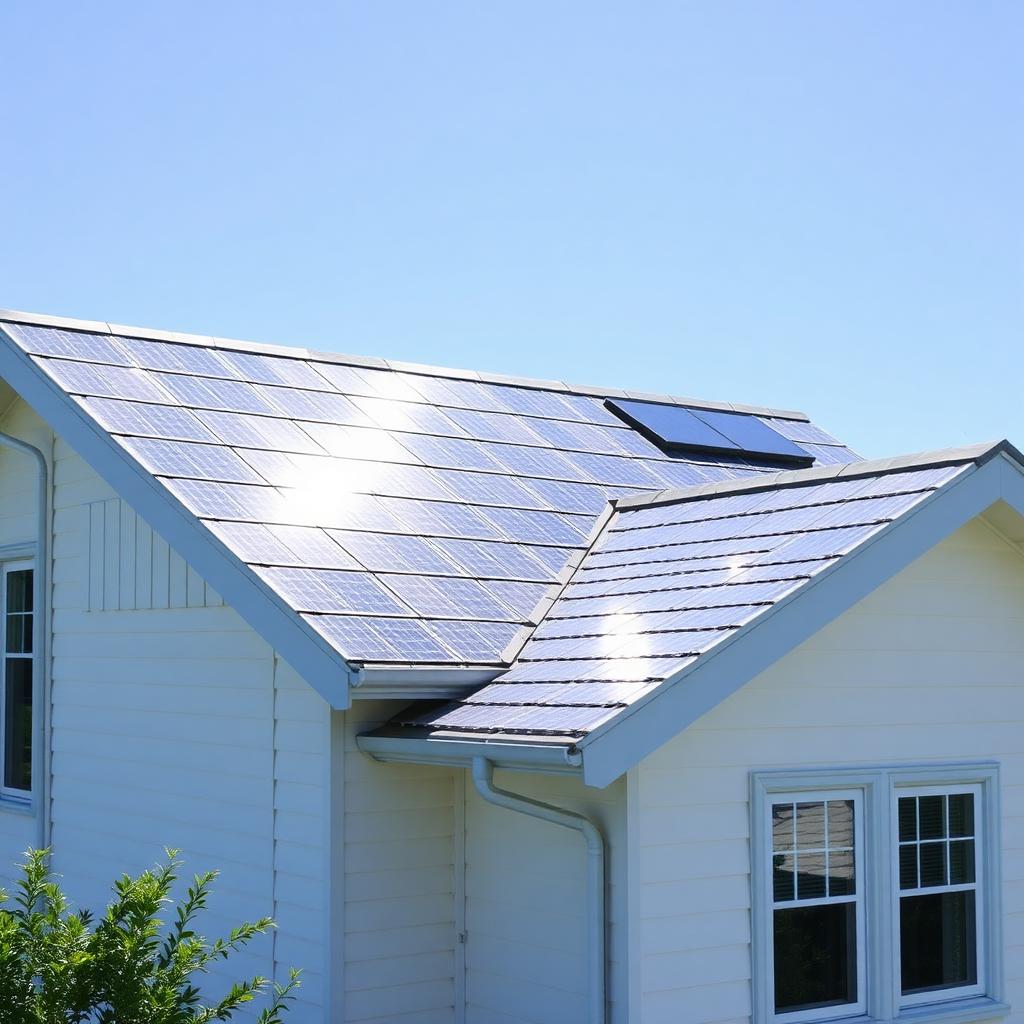
California Title 24 Energy-Efficient Roofing Requirements
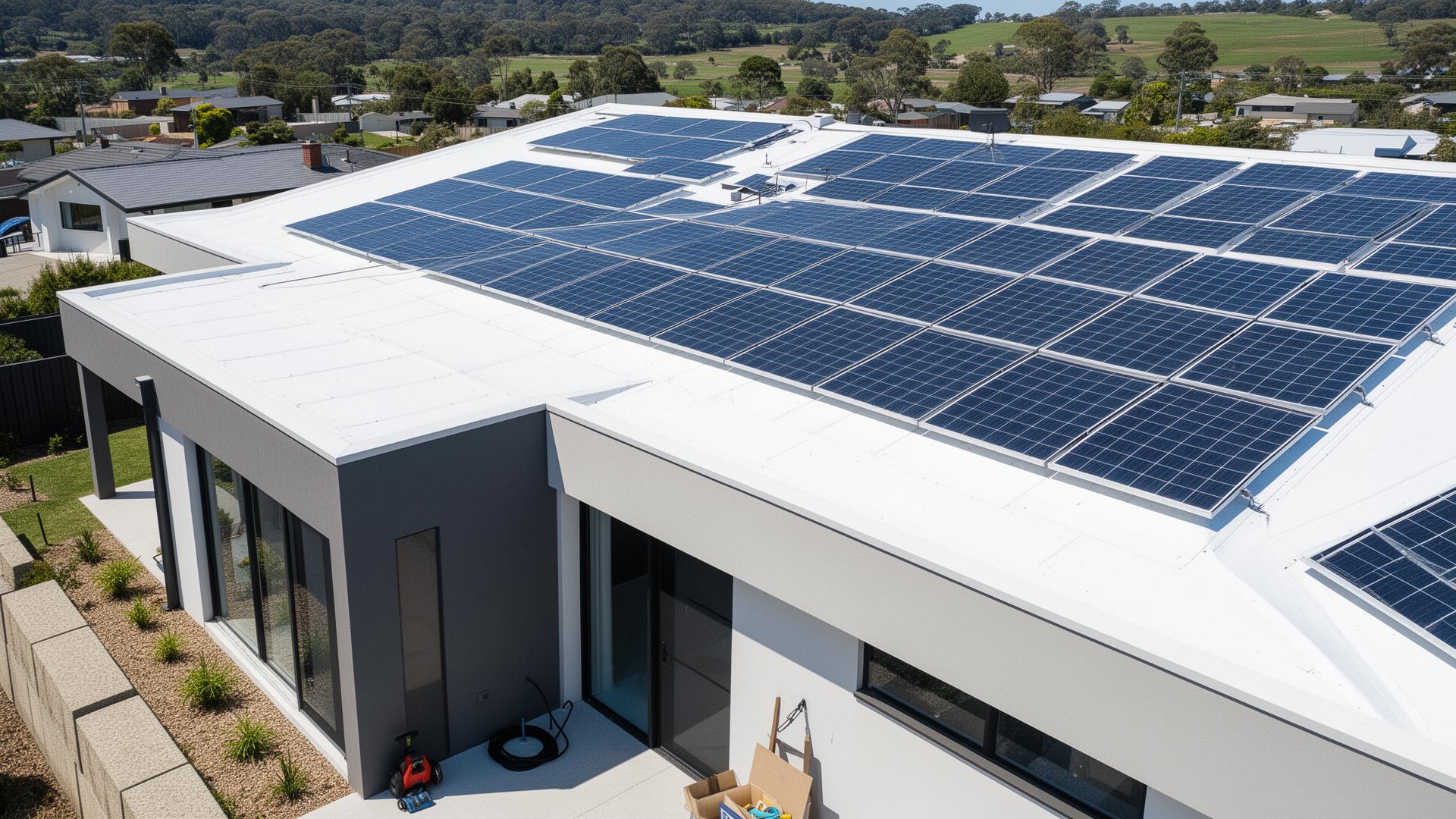
California leads the nation in building energy efficiency requirements, and roofing plays a central role in meeting these standards. Title 24 of the California Code of Regulations sets mandatory energy efficiency requirements that affect roofing choices throughout the state. This guide explains how these requirements affect your roofing project.
Understanding Title 24
Title 24 is California's building energy efficiency standard, updated every three years. The current 2022 standards affect all new construction and many re-roofing projects. The regulations aim to reduce energy consumption and greenhouse gas emissions while maintaining comfortable indoor environments.
For roofing, Title 24 primarily addresses cool roofing requirements and solar readiness. These requirements vary by climate zone, building type, and roof slope.
California Climate Zones
California is divided into 16 climate zones for building energy purposes. Zone 1 covers the foggy North Coast, while Zone 15 covers the hot Imperial Valley. Requirements differ significantly between zones.
Hot interior zones like the Central Valley face the strictest cool roofing requirements. Mild coastal zones have less stringent requirements. Understanding your climate zone helps you anticipate what materials will be required or recommended for your project.
Cool Roofing Requirements
Cool roofs reduce heat absorption through two measurable properties. Solar reflectance indicates how much sunlight the roof reflects rather than absorbs. Thermal emittance measures how effectively the roof radiates absorbed heat.
Title 24 sets minimum values for both properties. Requirements for steep-slope roofs, those with slopes greater than 2:12, include minimum aged solar reflectance of 0.20 and minimum thermal emittance of 0.75 in most climate zones.
Low-slope roofs face stricter requirements. Commercial buildings and some residential applications require aged solar reflectance of 0.63 and thermal emittance of 0.75 or higher.
How Cool Roofing Saves Energy
Cool roofing reduces energy consumption in several ways. Reduced heat transfer through the roof lowers air conditioning loads. Lower attic temperatures protect insulation performance and extend equipment life. Reduced urban heat island effect benefits the broader community.
Studies show cool roofing can reduce air conditioning energy use by 10 to 30 percent in hot climates. Savings are greatest in climate zones with high cooling loads and minimal heating needs.
Residential Roofing Options
Homeowners have multiple options for meeting Title 24 cool roofing requirements.
Asphalt shingles now come in cool roof versions with reflective granules. These products look similar to traditional shingles but meet cool roof standards. Many colors are available, though lighter colors typically perform better.
Tile roofing, including concrete and clay tiles, often meets cool roof requirements, particularly in lighter colors. Some tile products are specifically engineered for high reflectance.
Metal roofing with factory-applied cool coatings easily meets requirements. Light-colored and specially coated metal roofs can achieve very high reflectance values.
Built-up and single-ply membranes for flat roofs are available in white and reflective versions that exceed minimum requirements.
Compliance Alternatives
Property owners who prefer traditional dark-colored roofing may be able to comply through alternative methods. Additional roof insulation can offset reduced reflectance in some cases. Radiant barriers in the attic space may provide equivalent performance. Solar installations that shade significant roof area may also qualify.
These alternatives require energy modeling to demonstrate equivalent performance. Consult with your contractor or an energy consultant about options.
Solar Readiness Requirements
Title 24 also addresses solar readiness for new construction. Roofs must include designated solar zones free of obstructions. Electrical infrastructure must support future solar installation. These requirements apply to most new residential buildings.
When re-roofing, consider solar readiness even if not required. Designing for future solar installation costs little now but saves significantly if you add solar later.
Documentation and Compliance
Roofing materials used in Title 24 compliance must be listed on the Cool Roof Rating Council directory. This database contains tested values for thousands of products. Contractors should provide documentation showing products meet required values.
Building departments may require compliance documentation as part of the permit process. Keep product specifications and CRRC listings for your records.
Cost and Payback
Cool roofing materials may cost slightly more than conventional alternatives. However, differences have narrowed as cool roof products have become standard. Premium for cool roof asphalt shingles is typically 10 to 20 percent. Tile and metal options often meet requirements without premium pricing.
Energy savings typically recover any additional cost within a few years, with ongoing savings continuing for the life of the roof. In hot climate zones, payback is faster.
Maintenance Considerations
Cool roof performance depends on maintaining reflective properties. Keep roofing clean to preserve reflectance. Address algae and mold growth that can reduce reflectance. Repair or replace damaged sections with matching cool roof materials.
Periodic cleaning can restore reflectance to near-original levels. In areas with significant soiling, annual cleaning may be worthwhile.
Working with Contractors
When planning a roofing project, discuss Title 24 requirements with your contractor. Experienced California contractors should understand current requirements. Request product specifications showing CRRC ratings. Ensure permits include required energy documentation.
Future Requirements
Title 24 requirements continue to evolve. The 2025 code update, taking effect in 2026, may include additional requirements. Buildings exceeding current minimums will be better positioned for future standards. Choosing high-performance cool roofing now future-proofs your investment.
Conclusion
Title 24 requirements make energy-efficient roofing the standard in California. Understanding these requirements helps you make informed choices that comply with codes while maximizing energy savings. The right cool roofing investment pays for itself through reduced energy costs and improved comfort.
Ready to find California roofing contractors experienced with Title 24 requirements? Browse our verified contractor directory featuring professionals in San Jose, Fresno, Bakersfield, and communities throughout California.