Ice Dam Prevention for Colorado Mountain Homes
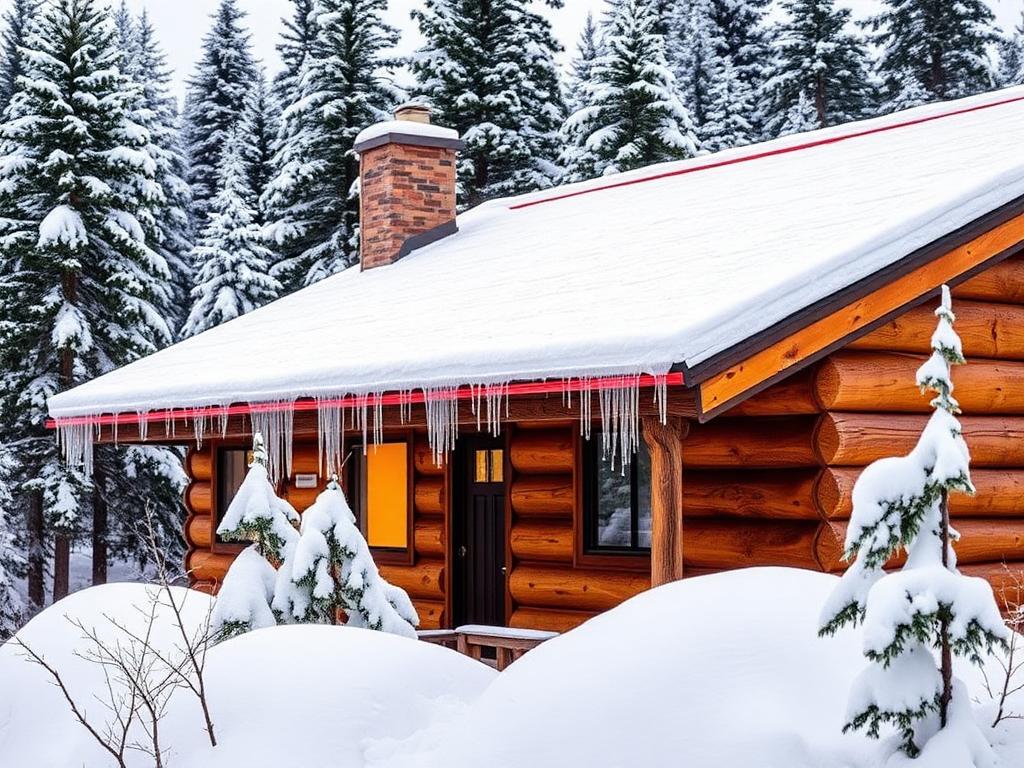
Ice dams cause significant damage to Colorado mountain homes each winter. These ridges of ice at roof edges prevent snowmelt from draining, causing water to back up under roofing materials and into homes. Understanding ice dam formation helps homeowners prevent this costly problem.
How Ice Dams Form
Ice dams result from uneven roof temperatures. Heat escaping through inadequate insulation warms the upper roof while eaves remain cold. Snow melts on the warm upper roof, runs down, and refreezes at cold eaves, creating ice ridges.
As ice dams grow, snowmelt pools behind them. Water eventually works beneath shingles and into the home, causing ceiling stains, wall damage, and potential mold growth.
Prevention Strategies
Insulation: Adequate attic insulation keeps heat inside the home rather than escaping through the roof. Colorado mountain homes should exceed minimum code requirements. R-49 or higher insulation levels minimize heat transfer to roof surfaces.
Ventilation: Proper attic ventilation keeps roof surfaces uniformly cold. Cool roofs prevent the uneven melting that causes ice dams. Soffit and ridge vents create natural airflow that removes heat before it warms roof surfaces.
Air Sealing: Attic bypasses allow warm air to leak into attic spaces. Sealing around penetrations, recessed lights, and attic hatches reduces heat transfer. Air sealing complements insulation for maximum effectiveness.
Roof System Solutions
Metal Roofing: Metal roofs shed snow readily before it can melt and refreeze. The slippery surface prevents snow accumulation. Snow guards control snow release to prevent dangerous avalanches.
Ice and Water Membrane: This waterproof underlayment installed at eaves provides backup protection if ice dams do form. Colorado building codes require ice and water membrane extending 2 feet past exterior walls.
Heat Cables: Electric heat cables melt channels through ice dams, allowing drainage. While effective, they add electrical costs and should be considered a backup to proper insulation and ventilation.
Emergency Ice Dam Removal
If ice dams form despite prevention efforts, professional removal prevents interior damage. Never use picks, axes, or high-pressure water that can damage roofing materials. Steam removal by qualified contractors safely clears ice without damage.
Clear roof snow after heavy storms to reduce ice dam formation. Roof rakes allow safe snow removal from ground level. Remove snow before it compacts and becomes difficult to clear.
Conclusion
Ice dam prevention requires addressing root causes through proper insulation, ventilation, and air sealing. Mountain homeowners should prioritize these upgrades to prevent costly winter damage.
Need ice dam solutions? Find Colorado mountain roofing specialists experienced with winter weather challenges.