Emergency Roof Repair in Kansas City: 2026 Storm Damage Response Guide
## Dealing with Emergency Roof Repair in Kansas City in 2026
Storm damage to your roof is one of the most stressful situations any homeowner can face. In Kansas City, where severe weather events can strike with little warning, knowing how to respond quickly and effectively can mean the difference between a minor repair and a catastrophic loss.
This comprehensive guide walks Kansas City homeowners through every step of the storm damage response process, from initial assessment through final repairs and insurance settlement. Updated for 2026, this guide reflects the latest best practices, insurance regulations, and contractor standards.
Immediate Steps After Storm Damage
When a storm damages your roof in Kansas City, take these immediate actions to protect your property and preserve your insurance claim:
Safety First
Before doing anything else, prioritize safety: - Do not climb on the roof to assess damage yourself. Damaged roofs are extremely dangerous, with weakened decking, loose materials, and hidden structural damage - Check for interior water intrusion: Look for water stains on ceilings, walls, and in the attic. Place buckets to catch active leaks - Document everything: Use your smartphone to photograph and video all visible damage from ground level, both inside and outside - Evacuate if necessary: If you see sagging ceilings, hear cracking sounds, or smell gas, leave immediately and call emergency services
Emergency Tarping
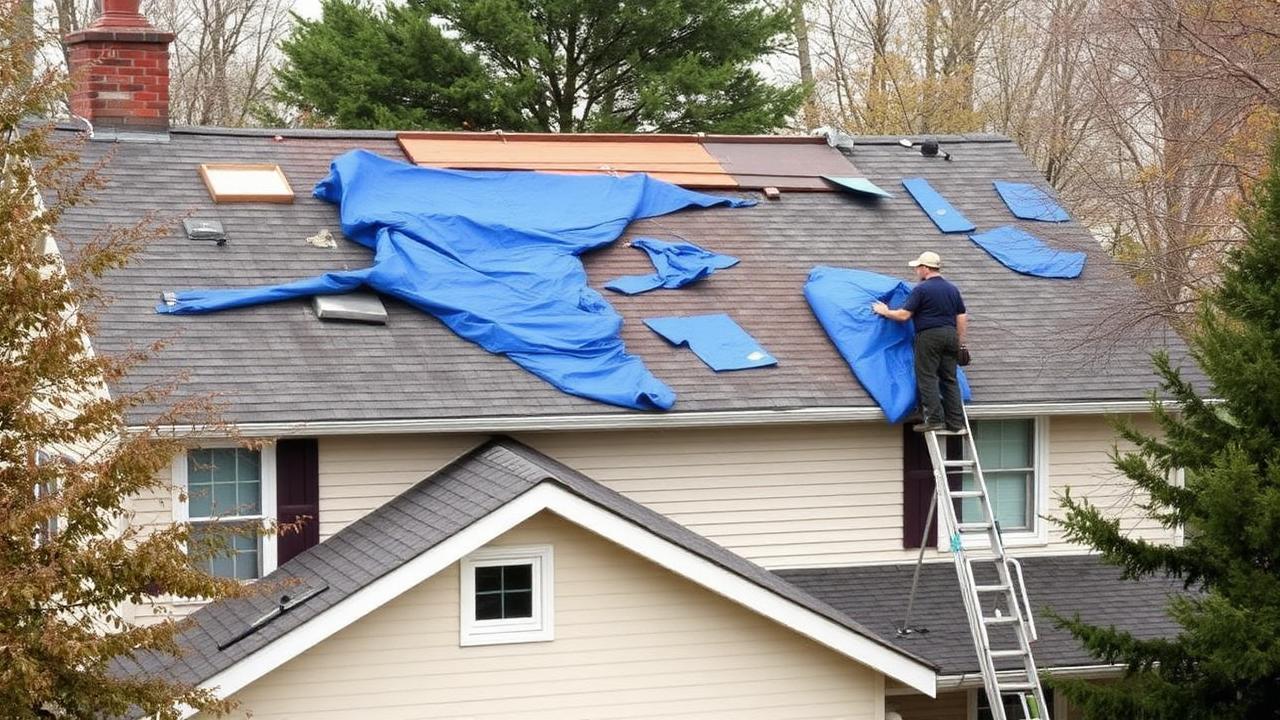
If your roof has visible openings or active leaks, emergency tarping is critical to prevent further water damage. In Kansas City, emergency tarping services typically cost $300 to $1,500 depending on the size of the damaged area and time of service.
Most insurance policies cover reasonable emergency tarping costs as part of your duty to mitigate further damage. Keep all receipts and document the tarping with photos before and after.
Important: Only hire licensed, insured contractors for emergency tarping. Storm chasers and unlicensed operators may cause additional damage or perform inadequate work that voids your insurance coverage.
Assessing Storm Damage to Your Kansas City Roof
Understanding the types and severity of storm damage helps you communicate effectively with insurance adjusters and roofing contractors:
Wind Damage
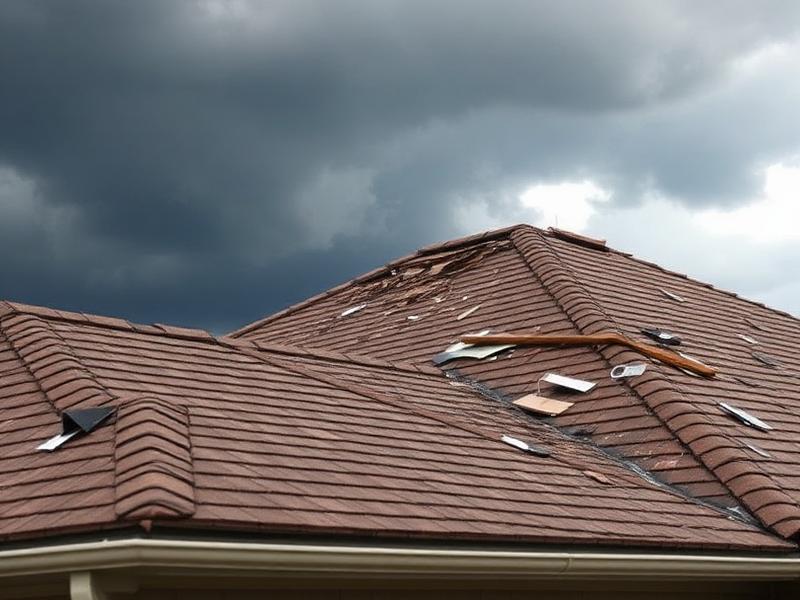
Wind damage in Kansas City can include: - Lifted or missing shingles: Wind gets under shingle edges and breaks the sealant bond - Creased shingles: High winds fold shingles without fully removing them - Ridge cap damage: Ridge caps are particularly vulnerable to wind uplift - Structural damage: Extreme winds can damage decking, rafters, or trusses
Wind damage is often most severe on the windward side of the roof and along edges, ridges, and corners where wind forces are concentrated.
Hail Damage
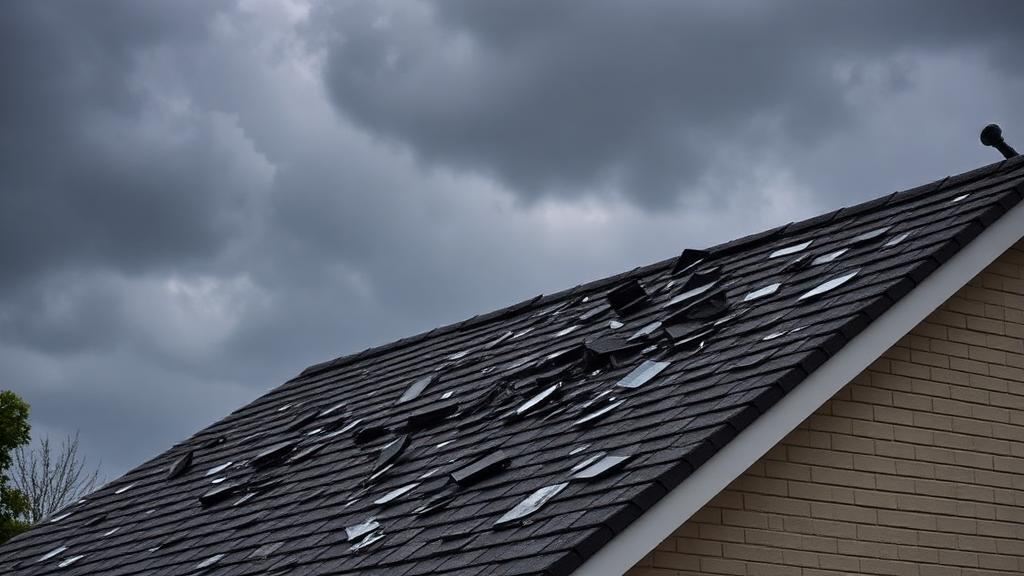
Hail damage varies based on hailstone size, wind speed, and roofing material: - Asphalt shingles: Look for circular dents that expose the mat, bruised areas that feel soft when pressed, and granule displacement - Metal roofing: Visible dents and dimples, though cosmetic damage may not affect function - Tile/slate: Cracked, chipped, or broken tiles - Flat roofing: Punctures, tears, or compression marks
Hail damage can be difficult to identify from ground level. Professional inspection using drone technology or careful rooftop examination is often necessary.
Water Damage
Water intrusion following storm damage can cause extensive secondary damage if not addressed promptly: - Attic damage: Wet insulation loses effectiveness and can harbor mold growth within 24-48 hours - Structural damage: Prolonged moisture exposure causes wood rot and structural weakening - Interior damage: Water stains, paint bubbling, drywall damage, and flooring damage - Electrical hazards: Water near electrical systems creates fire and shock risks
Filing an Insurance Claim in Kansas City
Navigating the insurance claims process effectively is crucial for Kansas City homeowners dealing with storm damage:
Step 1: Contact Your Insurance Company
File your claim as soon as possible after the storm. Most Kansas City insurance policies require prompt notification (typically within 30-60 days for weather damage). When you call: - Have your policy number ready - Provide a general description of the damage - Ask about your deductible and coverage limits - Request a timeline for adjuster assignment - Ask about advance payment for emergency repairs
Step 2: Document Everything
Thorough documentation is the foundation of a successful insurance claim. In Kansas City, create a comprehensive damage file including: - Date and time of the storm event - Weather reports confirming the storm (available from the National Weather Service) - Photographs and video of all damage, taken from multiple angles - Written descriptions of each damaged area - Receipts for emergency repairs and temporary protective measures - Personal property damage inventory if applicable
Step 3: Get Professional Inspections
Before the insurance adjuster visits, consider hiring a reputable Kansas City roofing contractor to perform an independent inspection. A professional inspector will: - Identify all damage, including hidden issues the adjuster might miss - Provide a detailed written estimate for complete repairs - Document damage using industry-standard methods - Photograph damage with detailed annotations - Attend the adjuster's inspection to advocate for your claim
Step 4: Work with the Insurance Adjuster
When the adjuster inspects your Kansas City property: - Be present during the inspection - Have your contractor present if possible - Point out all areas of damage you've identified - Provide copies of your documentation - Ask questions and take notes - Don't sign anything until you've reviewed it carefully
Step 5: Review and Negotiate the Settlement
Insurance settlements for storm damage in Kansas City are often negotiable. If you believe the initial offer is inadequate: - Compare the adjuster's estimate to your contractor's estimate line by line - Identify any damage or costs the adjuster missed - Provide additional documentation supporting your position - Request a re-inspection if significant damage was overlooked - Consider hiring a public adjuster for complex or large claims (typically 10-15% of settlement)
Choosing a Storm Damage Contractor in Kansas City
After a major storm in Kansas City, the area often fills with out-of-town contractors. While some are legitimate, others are storm chasers looking to take advantage of desperate homeowners:
Qualities of a Reputable Storm Damage Contractor
- Local presence: Established Kansas City business with a physical office
- Proper licensing: Current state and local contractor licenses
- Insurance: Adequate general liability and workers' compensation coverage
- References: Verifiable recent storm damage repair projects in Kansas City
- Written contracts: Detailed scope of work, materials, timeline, and payment terms
- Manufacturer certifications: Certified by major roofing manufacturers
Warning Signs of Storm Chasers
Protect yourself from storm damage scams common in Kansas City after severe weather: - Unsolicited door-to-door visits immediately after storms - Pressure to sign contracts immediately - Requests for large upfront deposits or full payment before work begins - Offers to pay your insurance deductible (this is insurance fraud) - No local office, phone number, or verifiable references - Extremely low bids that seem too good to be true
Repair vs. Replacement Decisions
Not all storm damage requires a full roof replacement. Work with your Kansas City contractor and insurance adjuster to determine the appropriate scope of repairs:
When Repair is Appropriate - Damage is limited to a small area (generally less than 30% of the roof) - Matching materials are available - The roof was in good condition before the storm - Structural integrity is not compromised - Repairs will restore full functionality
When Replacement is Necessary - Damage exceeds 30-40% of the roof area - Multiple areas of damage indicate widespread impact - The roof was near end of life before the storm - Structural damage is present - Matching materials are no longer available
Prevention and Preparedness for Kansas City Homeowners
While you can't prevent storms, you can prepare your Kansas City home to minimize damage:
- Regular maintenance: Keep your roof in optimal condition year-round
- Impact-resistant materials: Consider upgrading to Class 4 impact-rated shingles
- Secure loose items: Remove or secure potential projectiles before storms
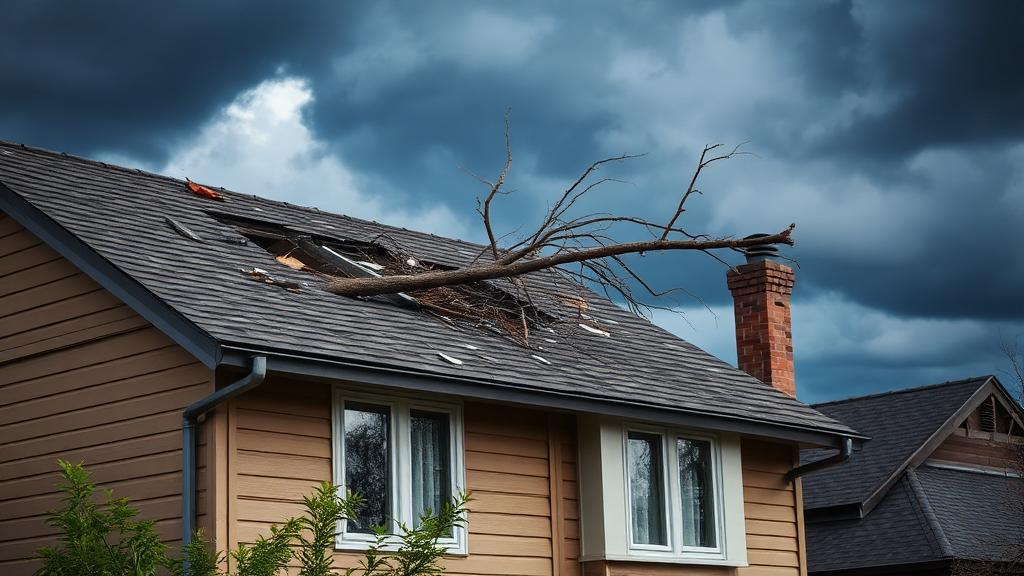
- Tree maintenance: Keep branches trimmed away from the roof
- Document your roof: Maintain current photos and documentation of your roof's pre-storm condition
- Review insurance annually: Ensure your coverage is adequate and understand your deductible
Conclusion
Storm damage to your Kansas City roof requires prompt, organized response to protect your property and maximize your insurance recovery. By following this guide, documenting thoroughly, and working with reputable local contractors, you can navigate the recovery process effectively.
Visit RoofingPros to find pre-screened, verified storm damage roofing contractors in Kansas City who can provide emergency services and quality permanent repairs.